





The semiconductor equipment industry is experiencing its most lucrative period in decades, with major players posting earnings that exceed even the most optimistic Wall Street projections. Applied Materials, ASML, and Lam Research have all reported quarterly revenues that shatter previous records, driven by an insatiable appetite for advanced chips powering artificial intelligence applications.
This surge represents more than just a cyclical upturn. The fundamental shift toward AI-driven computing has created unprecedented demand for the specialized tools required to manufacture cutting-edge semiconductors. Companies that once focused primarily on smartphone and PC processors now find themselves racing to produce chips capable of handling complex machine learning algorithms and neural network processing.
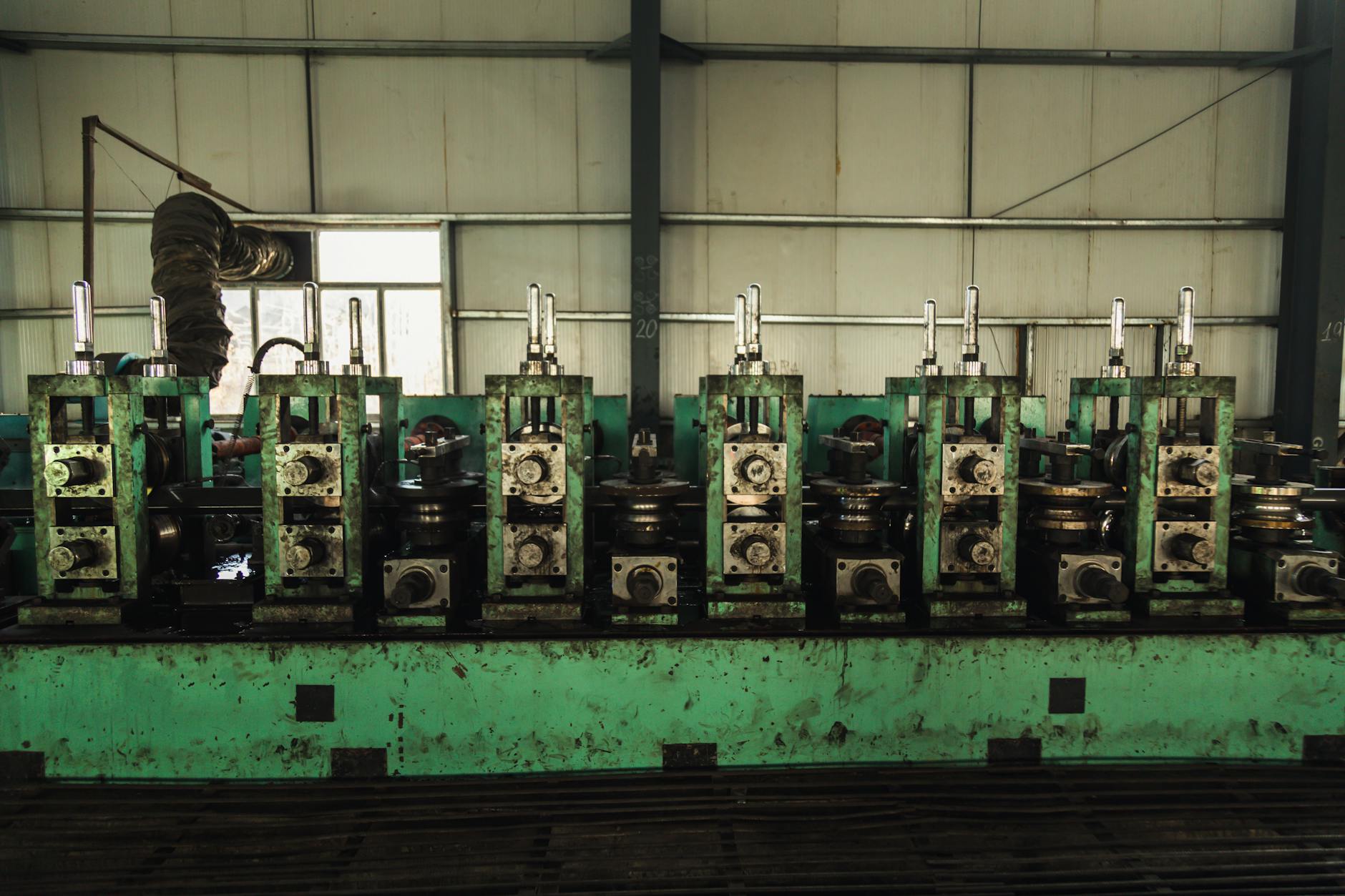
Equipment Orders Surge as Foundries Expand Capacity
Applied Materials, the world’s largest semiconductor equipment manufacturer, reported a 25% year-over-year increase in revenue for the latest quarter, reaching $6.78 billion. The company’s CEO Gary Dickerson attributed the growth directly to AI chip demand, noting that orders for advanced deposition and etching equipment have doubled compared to the same period last year.
“We’re seeing customers accelerate their roadmaps and expand capacity faster than we’ve witnessed in two decades,” Dickerson explained during the company’s earnings call. The company’s backlog now extends well into 2025, with some specialized tools facing delivery delays of up to 18 months.
ASML Holding, the Dutch company that manufactures extreme ultraviolet lithography machines essential for producing the most advanced chips, has seen similar momentum. These machines, which cost upward of $200 million each, are crucial for creating the 3-nanometer and 2-nanometer processors that power AI workloads. ASML’s order book has grown by 40% this year, with Taiwan Semiconductor Manufacturing Company and Samsung leading the purchasing surge.
The equipment boom extends beyond the industry giants. Smaller specialty manufacturers like Veeco Instruments and Axcelis Technologies have reported similar growth patterns, with some posting their highest quarterly revenues in company history. Even companies focused on packaging and testing equipment are benefiting as chip manufacturers seek to optimize every aspect of production.
AI Training Creates New Equipment Categories
The shift toward AI processing has fundamentally changed what semiconductor manufacturers need from their equipment suppliers. Traditional chip manufacturing focused on maximizing transistor density and power efficiency. AI chips require different priorities: memory bandwidth, parallel processing capabilities, and thermal management.
This evolution has sparked innovation in equipment design. Companies are developing new categories of tools specifically for AI chip production, including advanced cooling systems for high-performance computing applications and specialized interconnect technologies that enable chips to communicate more efficiently.
Lam Research has capitalized on this trend by expanding its portfolio of plasma etching and deposition tools optimized for AI processor manufacturing. The company’s latest earnings showed a 30% increase in orders for these specialized systems, with customers including major cloud computing providers building their own custom silicon.
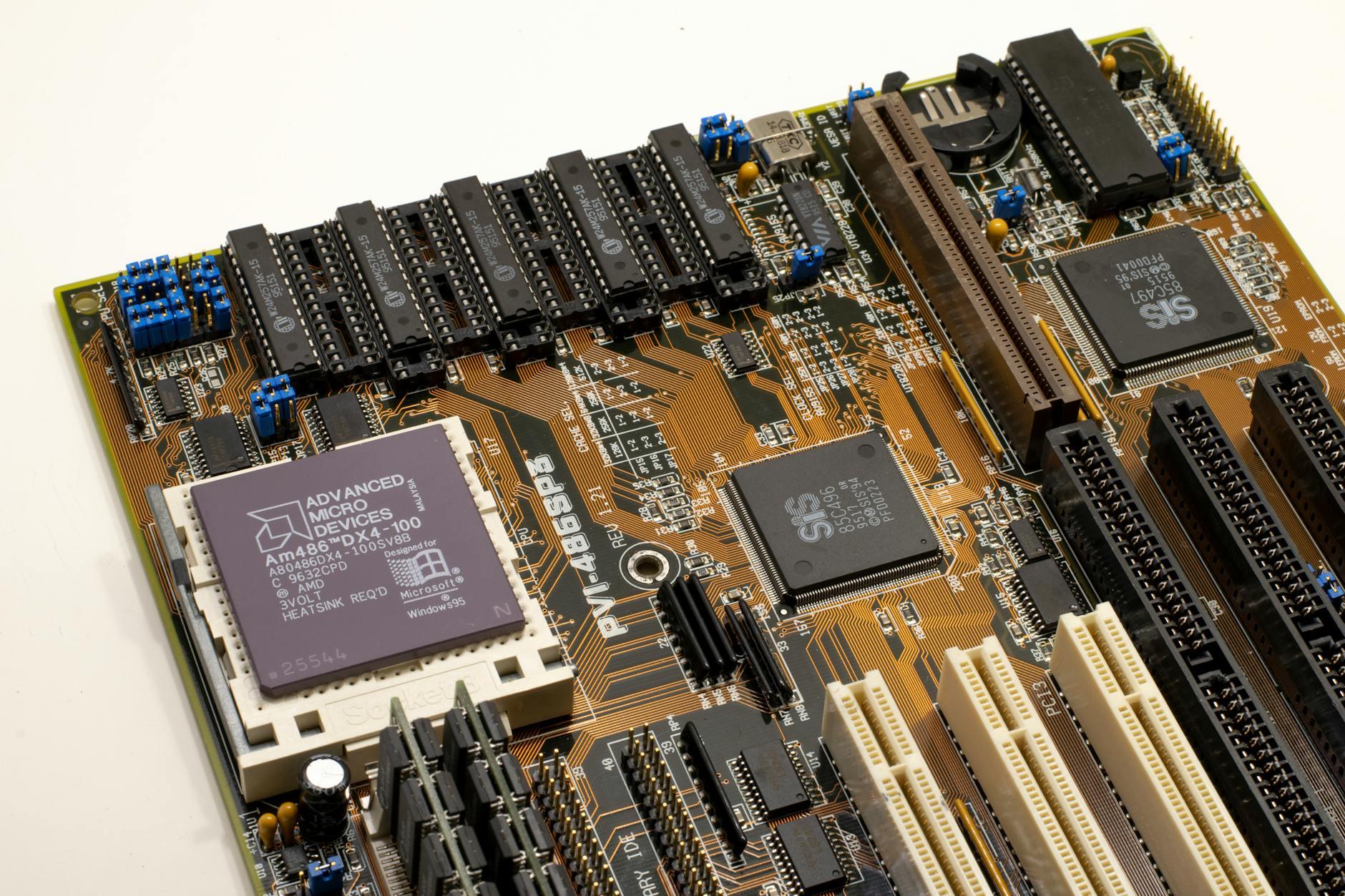
The memory segment has seen particularly strong growth. As AI applications require massive amounts of high-speed memory, equipment makers are developing new tools for advanced memory packaging and 3D NAND production. Companies like Tokyo Electron and KLA Corporation have reported record orders for memory-focused equipment, reflecting the industry’s recognition that AI performance depends heavily on memory architecture.
Geographic Shifts and Supply Chain Implications
The AI chip boom has also reshaped global semiconductor manufacturing geography. While Taiwan and South Korea remain dominant in advanced chip production, new facilities are emerging in other regions as companies seek to diversify their supply chains and capture government incentives.
The United States CHIPS Act has accelerated domestic semiconductor manufacturing investments, benefiting equipment suppliers through increased orders for new fabrication facilities. Intel’s planned factories in Ohio and Arizona, along with TSMC’s Arizona expansion, represent billions of dollars in equipment purchases over the next several years.
European initiatives, including the European Chips Act, are similarly driving demand for semiconductor manufacturing equipment. Companies like GlobalFoundries and Intel are expanding European operations, requiring substantial equipment investments to establish advanced manufacturing capabilities.
This geographic diversification has created logistical challenges for equipment suppliers. Many are establishing regional service centers and increasing inventory levels to support customers across multiple continents. Some companies are also localizing certain manufacturing processes to reduce shipping costs and delivery times for large equipment installations.
The trend mirrors what’s happening in other infrastructure sectors, similar to how solar panel manufacturing stocks have surged on federal tax credit extensions, demonstrating how government policy can significantly impact equipment-intensive industries.
Investment Opportunities and Market Outlook

For investors, the semiconductor equipment sector presents compelling opportunities with several important considerations. The industry’s cyclical nature means that current growth rates may not sustain indefinitely, but the structural shift toward AI suggests longer-term demand stability compared to previous cycles.
Leading equipment manufacturers have strengthened their market positions through technological innovation and strategic acquisitions. Companies with strong intellectual property portfolios and established customer relationships are best positioned to maintain pricing power and market share as competition intensifies.
The sector’s performance has also attracted attention from institutional investors seeking exposure to AI growth without the volatility often associated with pure-play AI software companies. Equipment manufacturers offer more predictable revenue streams and established business models compared to emerging AI startups.
Analysts project continued strength through 2024 and into 2025, though they caution that order timing can be lumpy as customers coordinate major capacity expansions. The industry’s long lead times and high switching costs provide some protection against rapid demand changes, but investors should monitor broader semiconductor cycle indicators.
Looking ahead, the semiconductor equipment industry appears positioned for sustained growth as AI applications expand across industries. From autonomous vehicles to advanced healthcare diagnostics, the proliferation of AI-powered devices will require continued investment in chip manufacturing capabilities. Equipment suppliers that successfully innovate and scale their operations stand to benefit from this fundamental technology shift that shows no signs of slowing.
Frequently Asked Questions
Which semiconductor equipment companies are benefiting most from AI demand?
Applied Materials, ASML, and Lam Research are leading growth, with some posting 25-40% revenue increases year-over-year.
How long will the semiconductor equipment boom last?
Analysts project continued strength through 2025, supported by structural AI demand and geographic manufacturing diversification.