





The warehouse shortage plaguing the United States has reached crisis levels, with industrial vacancy rates hitting historic lows below 3% in major markets. While this creates headaches for retailers and manufacturers scrambling for storage space, it’s proving to be a goldmine for Real Estate Investment Trusts specializing in industrial properties. These REITs are experiencing unprecedented demand for their warehouse portfolios, driving rental rates up by double digits and creating compelling investment opportunities for income-focused portfolios.

Industrial REIT Performance Surges Amid Warehouse Scarcity
Industrial REITs have emerged as standout performers in the real estate sector, with major players like Prologis, Extended Stay America, and First Industrial Realty Trust reporting exceptional leasing activity. The fundamental supply-demand imbalance has pushed average warehouse rents up 15-20% year-over-year in key distribution hubs including Southern California, Northern New Jersey, and Dallas-Fort Worth.
Prologis, the world’s largest industrial REIT with over 5,000 properties globally, recently reported occupancy rates exceeding 97% across its portfolio. The company’s management cited record-breaking rent growth and tenant retention rates as e-commerce companies compete aggressively for available space. Similar patterns are emerging across smaller industrial REITs, with many reporting waiting lists for their premium logistics facilities.
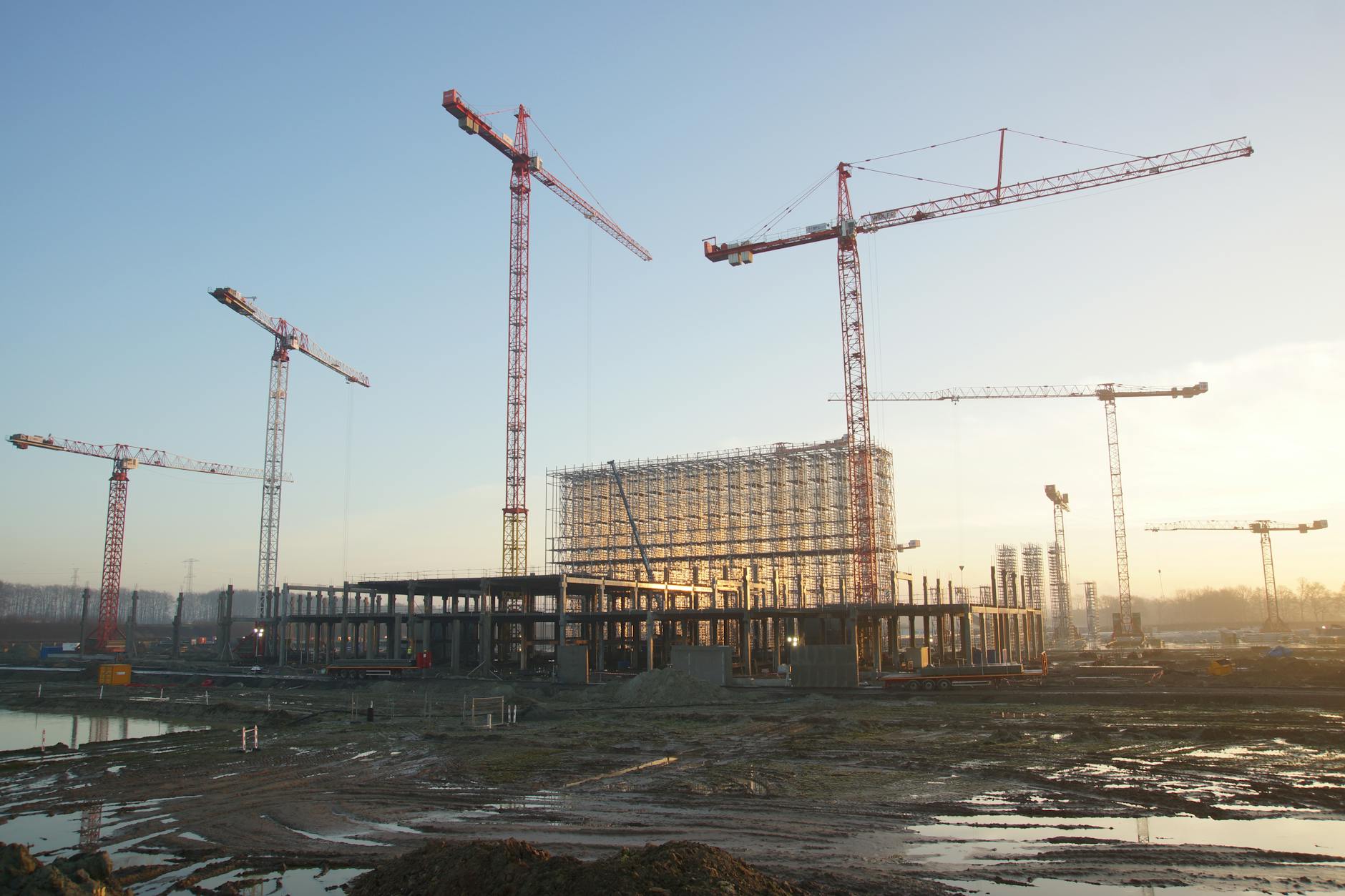
The warehouse shortage stems from years of underbuilding combined with explosive growth in e-commerce and last-mile delivery requirements. Amazon’s expansion alone has absorbed millions of square feet annually, while traditional retailers retrofit their supply chains for omnichannel fulfillment. Construction timelines for new warehouse developments stretch 18-24 months, creating a significant lag between demand spikes and supply responses.
Institutional Investment Flows Target Industrial Real Estate
Pension funds and institutional investors have taken notice of industrial REITs’ strong fundamentals, allocating billions to the sector. Blackstone recently completed a major warehouse acquisition spree, while sovereign wealth funds from Canada and Australia have increased their industrial real estate allocations. This institutional interest has provided additional capital for REITs to expand their portfolios and capitalize on development opportunities.
The investment thesis extends beyond current shortage conditions. Demographic trends supporting e-commerce growth, supply chain regionalization following pandemic disruptions, and the rise of quick-delivery services all point to sustained warehouse demand. Industrial REITs benefit from long-term lease structures, typically 5-10 years, providing stable cash flows even as market conditions fluctuate.
Unlike traditional retail or office REITs facing structural challenges, industrial properties have proven remarkably resilient. Warehouse tenants rarely abandon leases early, and the specialized nature of modern distribution facilities creates high switching costs for occupants. This stability makes industrial REITs particularly attractive for income-focused investors seeking predictable dividend streams.
Regional Market Dynamics Drive REIT Strategy
Industrial REITs are strategically positioning themselves in high-barrier-to-entry markets where land scarcity limits new construction. Coastal markets like Los Angeles and the New York metro area command premium rents due to proximity to major ports and consumer populations. REITs with concentrated exposure to these markets are experiencing the most dramatic rent growth.
Emerging secondary markets also present opportunities as companies diversify their supply chains away from traditional gateway cities. Markets like Nashville, Phoenix, and Atlanta are seeing increased warehouse development activity, though at levels insufficient to meet demand. REITs with development capabilities in these growing markets are well-positioned to capture value from ground-up construction projects.
The trend toward nearshoring and supply chain redundancy following recent disruptions has created additional demand for warehouse space. Companies are building buffer inventory and establishing multiple distribution points to reduce single-point-of-failure risks. This structural shift supports long-term warehouse demand beyond typical economic cycles.
Similar to how infrastructure investments like EV charging networks attract specialized fund interest, industrial REITs are drawing capital from infrastructure-focused investment strategies recognizing logistics real estate as essential economic infrastructure.
Investment Considerations and Market Outlook

While industrial REITs present compelling opportunities, investors should consider valuation levels and market timing. Share prices for leading industrial REITs have appreciated significantly, with some trading at premiums to net asset value. However, the fundamental shortage conditions and rent growth trajectory may justify higher valuations compared to historical norms.
Interest rate sensitivity remains a consideration for all REITs, including industrial properties. Rising borrowing costs could pressure development economics and affect refinancing activities. However, industrial REITs generally carry lower debt levels than other real estate sectors and benefit from inflation-protected lease structures with built-in rent escalations.
The industrial REIT sector also offers various investment approaches, from diversified national portfolios to specialized cold storage or last-mile delivery facilities. Investors can choose between established blue-chip REITs with steady dividends or smaller growth-oriented players focused on emerging markets and development opportunities.
Looking ahead, the warehouse shortage is expected to persist well into 2025 as new supply remains constrained by lengthy development timelines and municipal approval processes. Industrial REITs with quality portfolios in strategic locations are positioned to benefit from this extended period of favorable market conditions, making them attractive additions to diversified income portfolios seeking exposure to essential real estate infrastructure.
Frequently Asked Questions
Why are warehouse shortages benefiting REITs?
Low vacancy rates below 3% allow industrial REITs to raise rents significantly while maintaining high occupancy across their portfolios.
How long will the warehouse shortage last?
Industry experts expect shortages to persist into 2025 due to lengthy development timelines and continued e-commerce growth driving demand.