





Major pharmaceutical companies are bleeding billions as their most profitable drugs lose patent protection, triggering a wave of generic competition that’s hammering Q2 earnings across the sector. The so-called “patent cliff” has arrived with unprecedented force, forcing industry giants to confront their most challenging revenue environment in years.
The numbers tell a stark story. When blockbuster medications lose their exclusive marketing rights, generic manufacturers can produce identical versions at a fraction of the cost, typically driving down prices by 80-90% within the first year. This quarter, several high-revenue drugs simultaneously faced this fate, creating a perfect storm for pharmaceutical earnings.
Pfizer, Merck, Bristol Myers Squibb, and other industry leaders have all reported significant revenue declines tied directly to patent expirations. The impact extends beyond individual companies, reshaping investor expectations and forcing strategic pivots across the entire pharmaceutical landscape.

The Patent Cliff Strikes Multiple Blockbusters
This quarter’s patent cliff represents one of the most concentrated periods of drug exclusivity losses in recent memory. Several medications that generated billions in annual revenue have now opened to generic competition, creating immediate and dramatic revenue drops for their manufacturers.
The pharmaceutical industry operates on a unique economic model where companies invest heavily in research and development, then recoup those investments during the exclusive patent period – typically lasting around 12-20 years from discovery to market. When patents expire, the revenue drop is swift and merciless.
Pfizer has been particularly hard hit, with multiple major drugs losing protection simultaneously. The company’s revenue from certain therapeutic areas has declined by more than 50% year-over-year as generic versions flood the market. Similarly, other major players are reporting double-digit percentage drops in key product categories.
The timing couldn’t be worse for an industry already grappling with increased regulatory scrutiny and pressure to reduce drug prices. Unlike other sectors where competition gradually erodes market share, pharmaceutical patent cliffs create overnight revenue collapses that can devastate quarterly earnings.
Industry analysts have been warning about this wave for years, but the concentrated impact in Q2 has exceeded many projections. The simultaneous expiration of multiple high-revenue drugs has created a cumulative effect that’s reverberating through entire corporate structures.
Generic Competition Accelerates Market Disruption
The speed at which generic manufacturers have entered newly available markets has caught some pharmaceutical companies off guard. Advanced manufacturing capabilities and streamlined regulatory processes now allow generic producers to launch competing products within months of patent expiration, rather than the years it once took.
This acceleration has compressed the timeline for brand-name manufacturers to prepare for revenue transitions. Companies that previously had buffer periods to adjust pricing strategies or develop new formulations now face immediate market share erosion.
The competitive dynamics have also intensified. Multiple generic manufacturers often target the same newly available drugs, creating price wars that drive costs down faster than historical patterns suggested. This aggressive competition benefits consumers and healthcare systems but devastates the original manufacturers’ revenue streams.
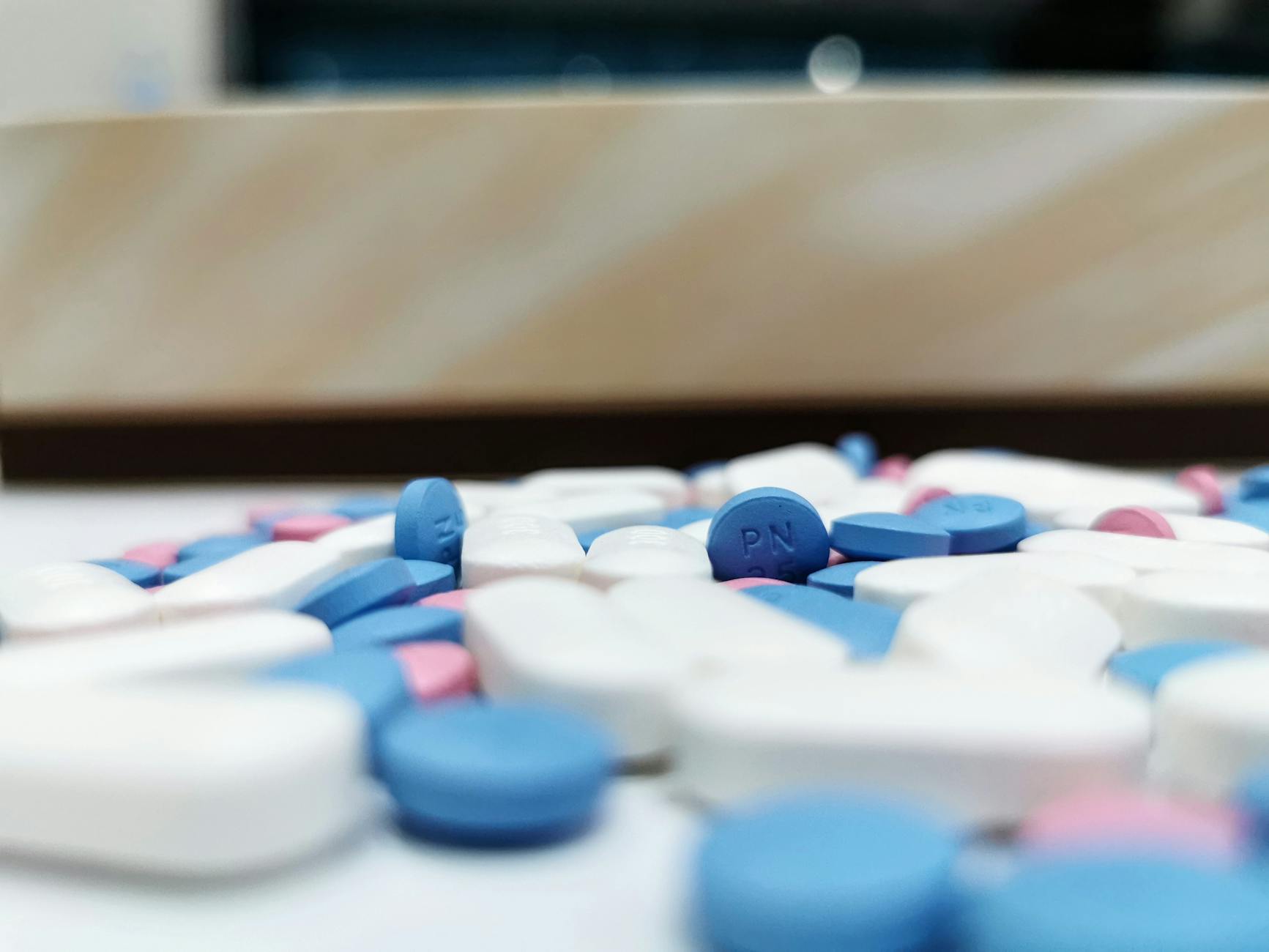
Some pharmaceutical giants have attempted to extend their exclusivity through various strategies, including developing extended-release formulations or combination therapies. However, regulatory agencies have become increasingly sophisticated at identifying these tactics, and generic manufacturers have grown more adept at challenging weak patent extensions.
The ripple effects extend beyond the companies directly affected. Pharmaceutical distributors, specialty pharmacies, and even healthcare providers must rapidly adjust their procurement and inventory strategies as generic alternatives become available. This market disruption creates opportunities for some players while devastating others.
Investment analysts are recalibrating their models to account for these faster transition periods. Traditional assumptions about patent cliff timelines and revenue decay rates no longer match market realities, forcing comprehensive reassessments of pharmaceutical company valuations.
Strategic Responses and Pipeline Pressure
Faced with unprecedented revenue declines, pharmaceutical companies are implementing emergency cost-cutting measures while accelerating their drug development pipelines. The pressure to replace lost revenue has intensified research and development priorities, with companies pushing experimental treatments through clinical trials at record pace.
Mergers and acquisitions activity has surged as companies seek to acquire promising drug candidates or complementary therapeutic portfolios. The urgency to fill pipeline gaps has driven up acquisition prices and created a competitive bidding environment for promising biotech targets.
Some companies are pivoting toward therapeutic areas less susceptible to generic competition, such as complex biologics or personalized medicines. These sophisticated treatments are harder for generic manufacturers to replicate, potentially offering longer periods of market exclusivity.
The patent cliff crisis has also accelerated partnerships between traditional pharmaceutical companies and biotechnology firms. Rather than developing all treatments internally, major players are increasingly licensing promising compounds in early development stages, spreading their risk across multiple potential successes.
Cost reduction initiatives have become increasingly aggressive. Companies are streamlining operations, consolidating manufacturing facilities, and reducing workforce levels to maintain profitability despite declining revenues. These operational changes represent fundamental shifts in how pharmaceutical companies structure their businesses.
Research and development spending, traditionally protected even during difficult periods, now faces scrutiny as companies balance the need to develop new drugs against immediate financial pressures. This tension between short-term survival and long-term innovation represents one of the industry’s most challenging strategic dilemmas.

Market Recovery Outlook and Investment Implications
The pharmaceutical industry’s recovery from this patent cliff will likely take several years, with companies needing to successfully advance multiple new drugs through clinical trials and regulatory approval processes. The timeline for new drug development means that revenue replacement cannot happen quickly, regardless of research and development investments.
Investors are closely watching each company’s pipeline strength and diversification strategies. Those with robust development programs and multiple therapeutic areas may weather the transition more successfully than companies overly dependent on a few major products.
The market disruption mirrors challenges faced by other industries during periods of rapid change, similar to how streaming services face subscriber churn as content costs soar, where established business models face sudden competitive pressure.
Some analysts suggest this patent cliff event could accelerate industry consolidation, with smaller companies becoming acquisition targets for larger players seeking to quickly expand their pipelines. The financial pressure may force strategic combinations that reshape the competitive landscape.
The long-term outlook depends heavily on regulatory environments and healthcare policy decisions. Changes in drug pricing regulations, patent law modifications, or approval process reforms could significantly impact how companies navigate future patent cliffs.
Pharmaceutical companies that successfully manage this transition will likely emerge with more diversified portfolios and improved operational efficiency. However, the immediate future promises continued volatility as the industry adapts to this new competitive reality and works to rebuild revenue streams through innovation and strategic partnerships.
Frequently Asked Questions
What is a pharmaceutical patent cliff?
A patent cliff occurs when multiple high-revenue drugs simultaneously lose patent protection, allowing generic competitors to enter the market and dramatically reduce the original manufacturer’s revenue.
How quickly do drug revenues decline after patent expiration?
Generic competition typically drives down branded drug prices by 80-90% within the first year of patent expiration, creating immediate and severe revenue impacts.