





Baby boomers are driving the biggest healthcare investment opportunity in decades. By 2030, all 73 million boomers will be 65 or older, creating unprecedented demand for medical devices ranging from pacemakers to hip replacements. Smart investors are already positioning themselves in this demographic goldmine.
The numbers tell a compelling story. Americans over 65 consume healthcare at nearly three times the rate of younger adults. They undergo more surgeries, require more diagnostic tests, and depend heavily on medical devices to maintain quality of life. This isn’t speculation – it’s demographic destiny written in census data.
Medical device manufacturers are experiencing this shift firsthand. Companies like Medtronic, Abbott, and Boston Scientific report consistent growth in segments serving older patients. Their cardiovascular, orthopedic, and diabetes management divisions are posting double-digit revenue increases year after year.

Cardiovascular Devices Lead the Charge
Heart disease remains the leading cause of death in America, and age significantly increases risk. The cardiovascular device market is exploding as boomers require pacemakers, stents, heart valves, and defibrillators at unprecedented rates.
Abbott’s FreeStyle Libre glucose monitoring system exemplifies this trend. Originally designed for diabetics, it’s increasingly used by heart patients managing multiple conditions. The device allows continuous monitoring without painful finger pricks – a crucial advantage for older patients taking blood thinners.
Medtronic dominates the pacemaker market with devices that now last over a decade and can be monitored remotely. Their MiniMed insulin pumps have evolved into sophisticated systems that communicate with smartphones, appealing to tech-savvy seniors managing diabetes.
The transcatheter aortic valve replacement market showcases demographic-driven innovation. These devices allow heart valve replacement through a catheter rather than open-heart surgery – a game-changer for patients too frail for traditional surgery. Edwards Lifesciences and Medtronic compete fiercely in this multi-billion-dollar segment.
Remote monitoring capabilities have become essential selling points. CardioMEMS, acquired by Abbott, allows doctors to monitor heart failure patients remotely, reducing hospital readmissions by 30%. This technology addresses healthcare systems’ capacity constraints while improving patient outcomes.
Orthopedic Innovation Meets Silver Demand
Joint replacement surgery has become routine for active seniors refusing to accept mobility limitations. The orthopedic device market is responding with lighter, more durable implants designed for longer lifespans and higher activity levels.
Stryker and Zimmer Biomet lead in knee and hip replacements, but the market extends far beyond major joints. Spinal implants, shoulder replacements, and even finger joint replacements see growing demand as boomers stay active longer than previous generations.
3D printing is revolutionizing orthopedic manufacturing. Companies can now create patient-specific implants based on CT scans, improving fit and reducing surgery time. This customization particularly benefits older patients with complex bone structures or previous surgeries.
Robotic surgery systems represent another growth vector. Stryker’s Mako robotic arm assists surgeons in precise implant placement, reducing recovery time and improving outcomes. While expensive, hospitals invest in these systems to attract aging patients who research their options extensively.

Diagnostic Equipment Captures Screening Surge
Preventive care drives massive demand for diagnostic equipment as health-conscious boomers embrace regular screening. Cancer screening, cardiac testing, and bone density scans have become routine for this demographic.
Mammography equipment manufacturers benefit from expanded screening guidelines and improved technology. Digital breast tomosynthesis provides clearer images with less radiation – crucial for women undergoing annual screenings for decades.
Colonoscopy equipment sees steady demand as screening recommendations now begin at age 45. Companies like Olympus and Fujifilm develop more comfortable, precise equipment to encourage compliance with screening schedules.
Bone density scanning equipment experiences consistent growth as osteoporosis screening becomes standard care. GE Healthcare and Hologic compete in this specialized market serving predominantly older women.
The rise of outpatient imaging centers creates new customer bases for device manufacturers. These facilities require compact, efficient equipment that can handle high patient volumes while maintaining quality. This trend mirrors the broader shift toward convenient, accessible healthcare delivery.
Home diagnostic devices represent an emerging opportunity. Blood pressure monitors, pulse oximeters, and even portable EKG devices allow seniors to monitor health indicators between doctor visits. Companies like Omron and Philips are expanding consumer product lines targeting this demographic.
Technology Integration Drives Next-Generation Growth
Medical devices increasingly incorporate artificial intelligence and connectivity features that appeal to tech-adopting seniors. These smart devices provide better outcomes while reducing healthcare system strain.
AI-powered diagnostic tools help detect conditions earlier and more accurately. Eko’s digital stethoscopes can identify heart murmurs that human ears might miss. IDx-DR provides automated diabetic retinopathy screening, crucial for the millions of seniors with diabetes.
Telehealth integration has accelerated device development. Companies design products that seamlessly share data with healthcare providers, enabling virtual consultations and remote monitoring. This capability proved essential during the pandemic and remains popular with mobility-limited seniors.
Medication management systems address a critical need for older patients taking multiple prescriptions. Hero Health and PillPack (acquired by Amazon) create automated dispensing systems that reduce medication errors – a leading cause of hospital readmissions among seniors.
The convergence of traditional medical devices with consumer technology creates new market opportunities. Apple Watch’s FDA-approved EKG capability demonstrates how consumer electronics companies enter medical device markets. Traditional manufacturers must innovate rapidly to maintain market position.
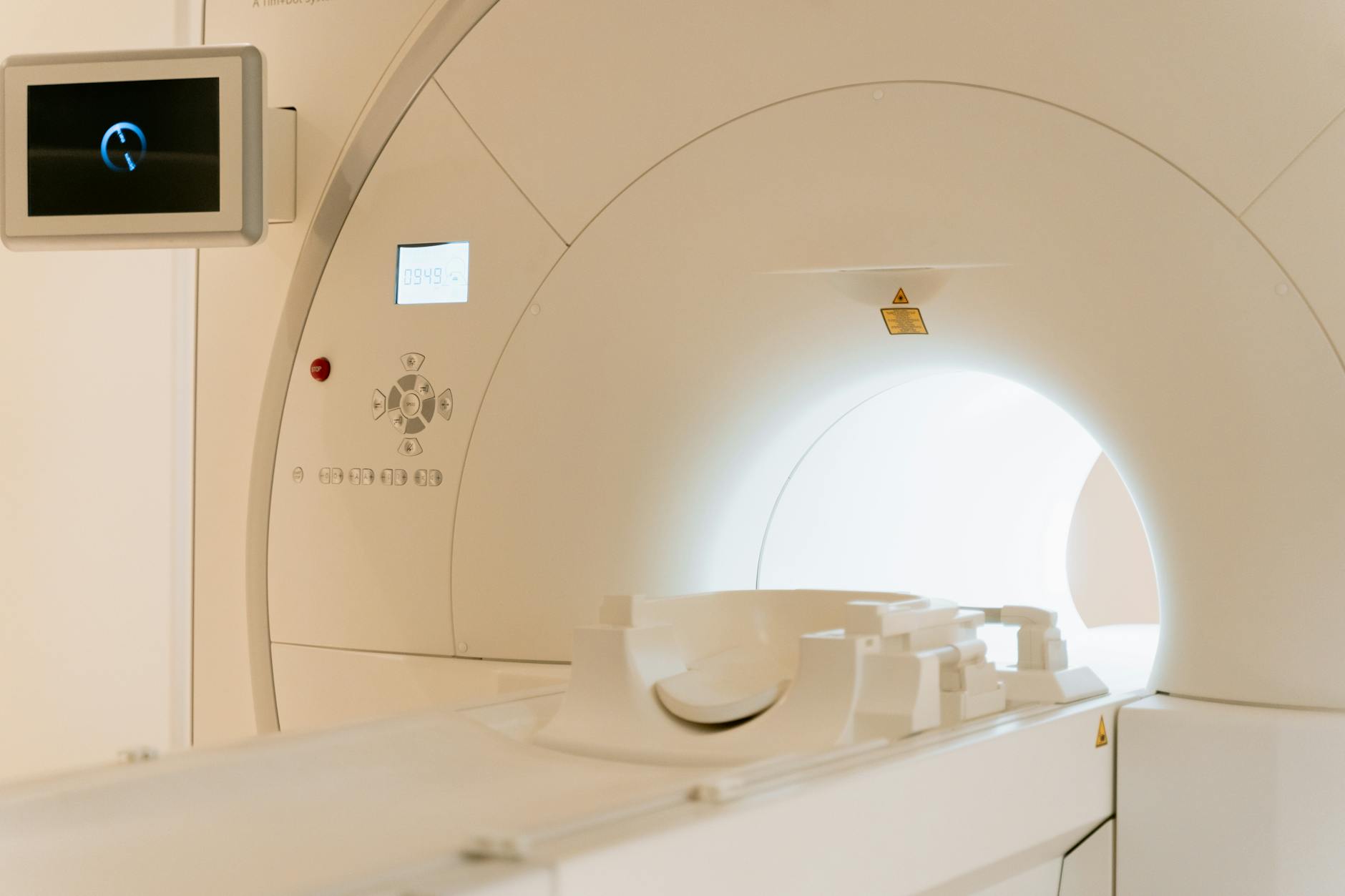
Investment opportunities extend beyond device manufacturers to supporting infrastructure. Companies providing cybersecurity for connected medical devices, data analytics platforms, and device maintenance services benefit from this demographic transition. Investors focused on semiconductor growth trends should note the specialized chips required for medical applications.
The medical device sector offers compelling demographic-driven growth that’s largely independent of economic cycles. As healthcare costs rise and systems strain under aging populations, efficient medical devices become increasingly valuable. Investors positioning early in this megatrend stand to benefit from decades of sustained growth driven by unstoppable demographic forces.
Companies that successfully combine innovation with practical solutions for aging patients will capture the largest market shares. The winners will be those who understand that today’s seniors expect technology that enhances rather than complicates their healthcare experience.
Frequently Asked Questions
Which medical device sectors benefit most from aging demographics?
Cardiovascular devices, orthopedic implants, and diagnostic equipment see the highest growth from aging baby boomers requiring more healthcare interventions.
How are medical devices adapting to older patients’ needs?
Devices now feature remote monitoring, smartphone connectivity, and less invasive procedures designed specifically for seniors’ comfort and mobility limitations.