




Rolex, Patek Philippe, and Audemars Piguet posted surprisingly robust quarterly earnings this week, defying broader economic headwinds that have pressured other luxury sectors. While inflation concerns and market volatility continue rattling consumer confidence, high-end timepiece manufacturers are discovering their ultra-wealthy clientele remains largely insulated from macroeconomic turbulence.
The Swiss watch industry’s resilience stands in stark contrast to struggles facing other luxury categories. Where handbag sales have softened and high-end automotive purchases have declined, prestigious watchmakers report waiting lists that stretch months or even years for their most coveted pieces. This phenomenon reflects the unique psychology of luxury watch collecting, where scarcity drives desire and timepieces function as both status symbols and alternative investments.
Collector Demand Drives Premium Pricing Power
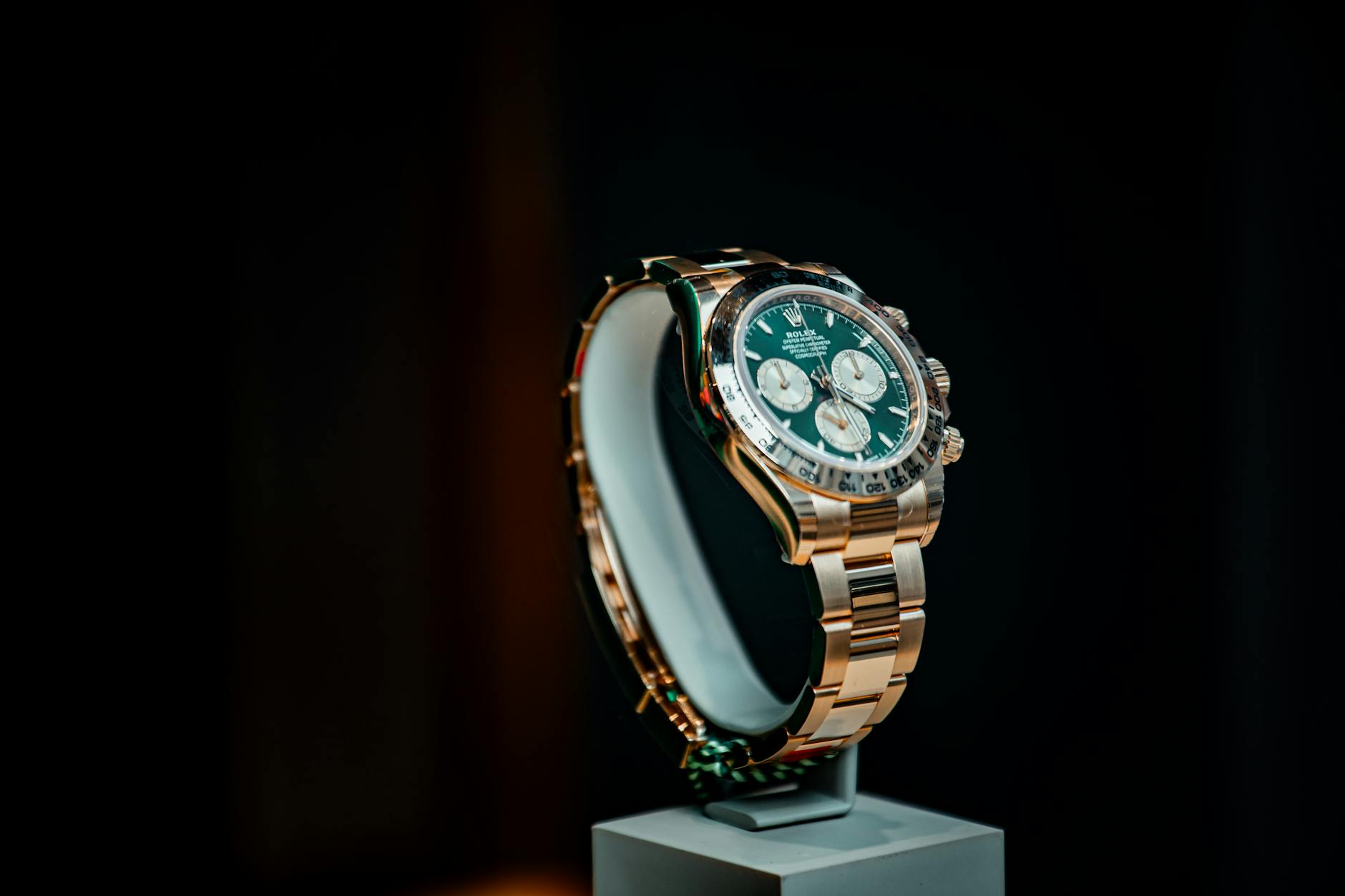
The luxury watch market operates on fundamentally different principles than most consumer goods. Limited production runs, centuries-old craftsmanship traditions, and celebrity endorsements create artificial scarcity that maintains pricing power even during economic downturns. A stainless steel Rolex Daytona that retailed for roughly twenty-five thousand dollars five years ago now commands significantly higher prices on secondary markets.
This pricing dynamic has transformed luxury watches from simple accessories into investment vehicles. Collectors view rare pieces as portfolio diversification tools, similar to fine art or vintage wines. The emotional attachment combined with potential appreciation creates a customer base less sensitive to short-term economic fluctuations than traditional luxury shoppers.
Swiss manufacturers have capitalized on this phenomenon by strictly controlling production volumes. Rather than flooding markets during strong demand periods, brands like Patek Philippe maintain deliberately constrained output levels. This strategy preserves long-term brand value while ensuring consistent profitability regardless of broader economic conditions.
Regional demand patterns reveal interesting market dynamics. Asian collectors, particularly in Singapore and Hong Kong, continue driving significant sales volume despite geopolitical tensions. Meanwhile, American buyers increasingly focus on vintage and pre-owned pieces, creating robust secondary markets that support new watch values.
Celebrity Influence and Social Media Marketing
Modern luxury watch marketing has evolved beyond traditional advertising into sophisticated influencer partnerships and social media strategies. High-profile celebrities regularly showcase premium timepieces at red carpet events, award ceremonies, and social media posts, creating aspirational demand among broader audiences.
Professional athletes have become particularly effective brand ambassadors. Tennis stars, Formula 1 drivers, and golfers frequently partner with Swiss manufacturers, lending credibility and excitement to heritage brands. These partnerships generate significant media exposure while reinforcing associations between precision timekeeping and peak performance.
Social media platforms have democratized luxury watch appreciation, allowing enthusiasts to share collection photos, discuss technical specifications, and track market trends. YouTube channels dedicated to watch reviews regularly attract hundreds of thousands of subscribers, creating new pathways for brand discovery and education.

The rise of watch collecting communities has also fostered secondary markets where rare pieces change hands for substantial premiums. Online platforms facilitate these transactions while providing authentication services and market data that increase buyer confidence. This ecosystem supports primary sales by ensuring strong resale values.
Technology Integration and Heritage Balance
Luxury watchmakers face ongoing challenges balancing traditional craftsmanship with modern technology integration. While smartwatches dominate overall timepiece sales volumes, premium mechanical watches occupy an entirely different market segment focused on artistry and heritage rather than functionality.
Some manufacturers have experimented with hybrid approaches, incorporating subtle technological enhancements while maintaining classical aesthetics. These innovations might include improved water resistance, anti-magnetic properties, or enhanced luminescence without compromising traditional movement architecture.
The mechanical watch renaissance reflects broader cultural trends toward authenticity and craftsmanship appreciation. As digital technology becomes increasingly ubiquitous, physical objects requiring human skill and generations of accumulated knowledge gain emotional resonance. Luxury watches represent tangible connections to pre-digital traditions that many consumers find appealing.
Manufacturing processes remain largely unchanged from decades past, with master craftsmen hand-assembling components in Swiss workshops. This deliberate resistance to automation preserves employment while maintaining quality standards that justify premium pricing. Unlike other industries where efficiency improvements drive cost reductions, luxury watchmaking embraces inefficiency as a selling point.
Market Outlook and Investment Implications
Looking ahead, luxury watch manufacturers appear well-positioned to weather continued economic uncertainty. Their customer base remains relatively recession-resistant, and limited production capacity prevents oversupply issues that might pressure pricing. However, geopolitical tensions and supply chain disruptions could impact manufacturing operations and distribution networks.
The contrast with struggling sectors is noteworthy. While subscription box companies report declining customer retention rates as consumers reduce discretionary spending, luxury watch buyers seem increasingly committed to their collecting pursuits.

Environmental concerns and sustainability initiatives are becoming more important to younger luxury consumers. Watch manufacturers are beginning to address these expectations through responsible sourcing policies and recycling programs, though implementation remains inconsistent across the industry.
Currency fluctuations present both opportunities and challenges for Swiss exporters. A stronger Swiss franc makes watches more expensive in foreign markets, while a weaker franc improves competitiveness but reduces profit margins when converted back to local currency.
The luxury watch sector’s continued strength during economic headwinds demonstrates the unique characteristics of ultra-high-end consumer markets. As long-term investment vehicles that combine emotional satisfaction with potential appreciation, premium timepieces occupy a distinct niche that remains largely insulated from broader economic pressures affecting more mainstream luxury categories.
Frequently Asked Questions
Why are luxury watch sales holding up during economic uncertainty?
Ultra-wealthy collectors view premium timepieces as investment vehicles and status symbols, making them less sensitive to economic downturns.
How do luxury watches maintain their value?
Limited production runs, celebrity endorsements, and strong secondary markets help preserve pricing power and resale values.