





While inflation squeezes household budgets and recession fears loom, luxury recreational vehicle manufacturers are posting surprisingly robust earnings. Companies like Winnebago Industries, Thor Industries, and Forest River continue to report strong sales despite economic uncertainty that typically dampens demand for high-ticket discretionary purchases.
The luxury RV segment, defined by units priced above $150,000, has shown particular resilience. Industry executives point to a fundamental shift in consumer priorities, accelerated by the pandemic, where travel flexibility and mobile lifestyles have become permanent fixtures rather than temporary trends. This sustained demand contrasts sharply with other luxury sectors experiencing significant pullbacks.

Demographic Shift Drives Premium Demand
Baby boomers entering retirement with accumulated wealth represent the core demographic fueling luxury RV growth. This generation, now aged 60 to 78, controls roughly 70% of U.S. wealth and increasingly views RVs as lifestyle investments rather than mere vacation tools.
“We’re seeing buyers who want the equivalent of a luxury hotel room on wheels,” says Mike Happe, CEO of Winnebago Industries, during the company’s recent earnings call. “These aren’t weekend campers – they’re people planning to spend months on the road with all the amenities they have at home.”
The demographic shift extends beyond traditional retirees. Remote work flexibility has created a new buyer category – younger professionals who can work from anywhere. This “digital nomad” segment typically chooses Class A motorhomes or high-end fifth wheels equipped with robust internet connectivity, solar power systems, and dedicated office spaces.
Premium features driving sales include residential-style appliances, washer-dryer combinations, king-size beds, and advanced driver assistance systems. Some manufacturers report that buyers regularly spend an additional $50,000 to $100,000 on upgrades and customizations beyond base prices.
Supply Chain Adaptations Improve Margins
Unlike many industries still struggling with supply chain disruptions, RV manufacturers have successfully restructured their operations to maintain production flow. Thor Industries, the world’s largest RV manufacturer, invested heavily in supplier diversification and vertical integration during the pandemic.
The company now produces more components in-house, from cabinetry to electrical systems, reducing dependency on external suppliers while improving quality control. This strategy has allowed manufacturers to maintain premium pricing while protecting profit margins, even as raw material costs fluctuate.
Forest River, owned by Berkshire Hathaway, has taken a different approach by establishing regional manufacturing hubs closer to key markets. This reduces transportation costs and delivery times while allowing for more customization options that command higher prices.
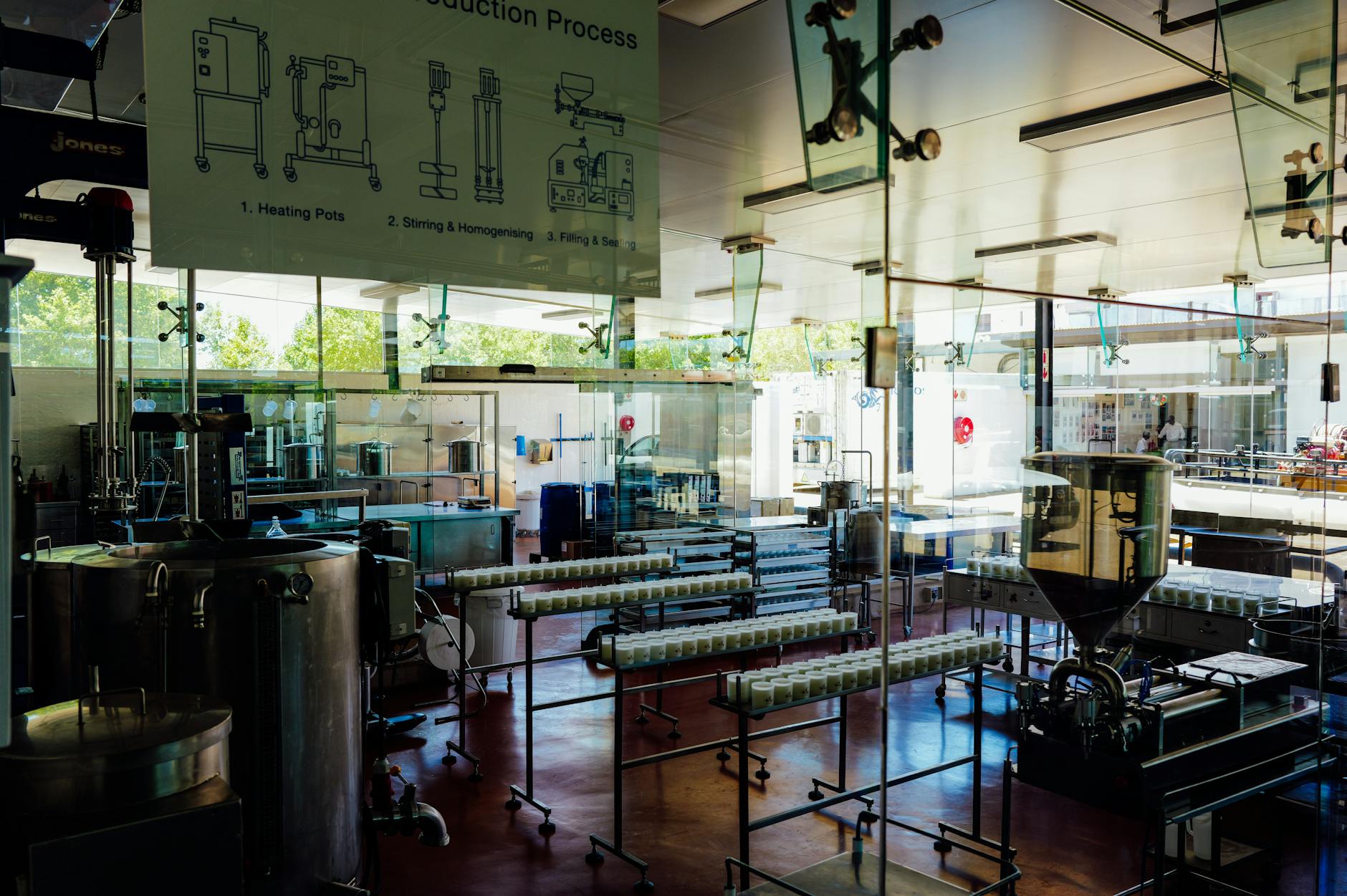
The supply chain improvements have created a competitive advantage over smaller manufacturers who lack the resources for such investments. Industry consolidation continues as premium buyers gravitate toward established brands with proven service networks and parts availability.
Dealership networks have also evolved to support luxury buyers. Many now offer concierge services, extended warranties, and mobile service units that travel to customers’ locations. These premium services generate additional revenue streams while building customer loyalty in a market where word-of-mouth recommendations carry significant weight.
Technology Integration Commands Premium Pricing
Technology adoption in luxury RVs has accelerated dramatically, with manufacturers incorporating features once reserved for high-end automobiles and smart homes. Advanced systems include automatic leveling, slide-out rooms, satellite internet connectivity, and integrated smart home controls accessible via smartphone apps.
Solar power systems have become standard on premium models, with some units featuring enough battery storage for several days of off-grid living. These energy independence features appeal to buyers seeking remote camping experiences without sacrificing comfort or connectivity.
Safety technology adoption mirrors trends in the automotive industry. Collision avoidance systems, backup cameras, tire pressure monitoring, and GPS tracking have become expected features rather than expensive options. The integration of these systems allows manufacturers to justify price points that often exceed the cost of luxury automobiles.
Interior technology focuses on entertainment and comfort. Premium sound systems, residential-style lighting controls, and climate systems with separate zones cater to buyers accustomed to high-end amenities. Some manufacturers partner with luxury furniture brands to offer designer interiors that appeal to affluent buyers.
The technology integration also extends to manufacturing processes. Computer-aided design and precision assembly techniques reduce defects and improve build quality, addressing historical concerns about RV reliability that deterred some luxury buyers.
Market Outlook Despite Economic Uncertainty
Despite broader economic headwinds affecting consumer spending, luxury RV manufacturers express cautious optimism about sustained demand. The demographic trends supporting the market – aging baby boomers with accumulated wealth and remote work flexibility – appear durable rather than cyclical.
However, financing costs present a growing challenge. Rising interest rates have increased monthly payments for financed purchases, potentially slowing sales growth even as underlying demand remains strong. Manufacturers are responding by expanding partnerships with financial institutions to offer competitive lending terms and extended payment periods.

The used RV market provides another indicator of segment health. Luxury models retain value better than entry-level units, with some premium brands showing minimal depreciation in the first few years. This residual value strength supports new unit sales by reducing the total cost of ownership for buyers who trade up regularly.
International expansion offers growth potential as manufacturers explore European and Australian markets where RV tourism is increasing. However, regulatory differences and local preferences require significant investment in product adaptation and dealer network development.
Looking ahead, manufacturers are positioning for continued growth while remaining alert to economic shifts that could dampen discretionary spending. The luxury segment’s resilience through recent economic uncertainty suggests a fundamental market transformation rather than a temporary pandemic-driven trend. Companies that successfully balance premium positioning with value delivery appear best positioned for sustained success, similar to how regional theater companies have found success by adapting their business models to changing consumer preferences.
The industry’s ability to maintain growth despite broader economic pressures demonstrates the power of demographic shifts and lifestyle changes that transcend typical economic cycles.
Frequently Asked Questions
Why are luxury RV sales growing during economic uncertainty?
Baby boomers with accumulated wealth and remote workers seeking mobile lifestyles continue purchasing despite broader economic concerns.
What features justify luxury RV premium pricing?
Advanced technology, residential-style amenities, solar power systems, and smart home integration command higher prices.