





While inflation squeezes household budgets and recession fears loom, luxury cruise lines are reporting their strongest booking numbers in years. Norwegian Cruise Line, Royal Caribbean, and Celebrity Cruises have all announced record-breaking reservations for 2024 and 2025, defying conventional wisdom about discretionary spending during economic downturns.
The phenomenon reflects a broader shift in consumer behavior that emerged during the pandemic: people are prioritizing experiences over material goods, even when money feels tight. Cruise executives report that travelers are willing to extend payment plans, use credit, and tap into savings to secure their floating vacations.
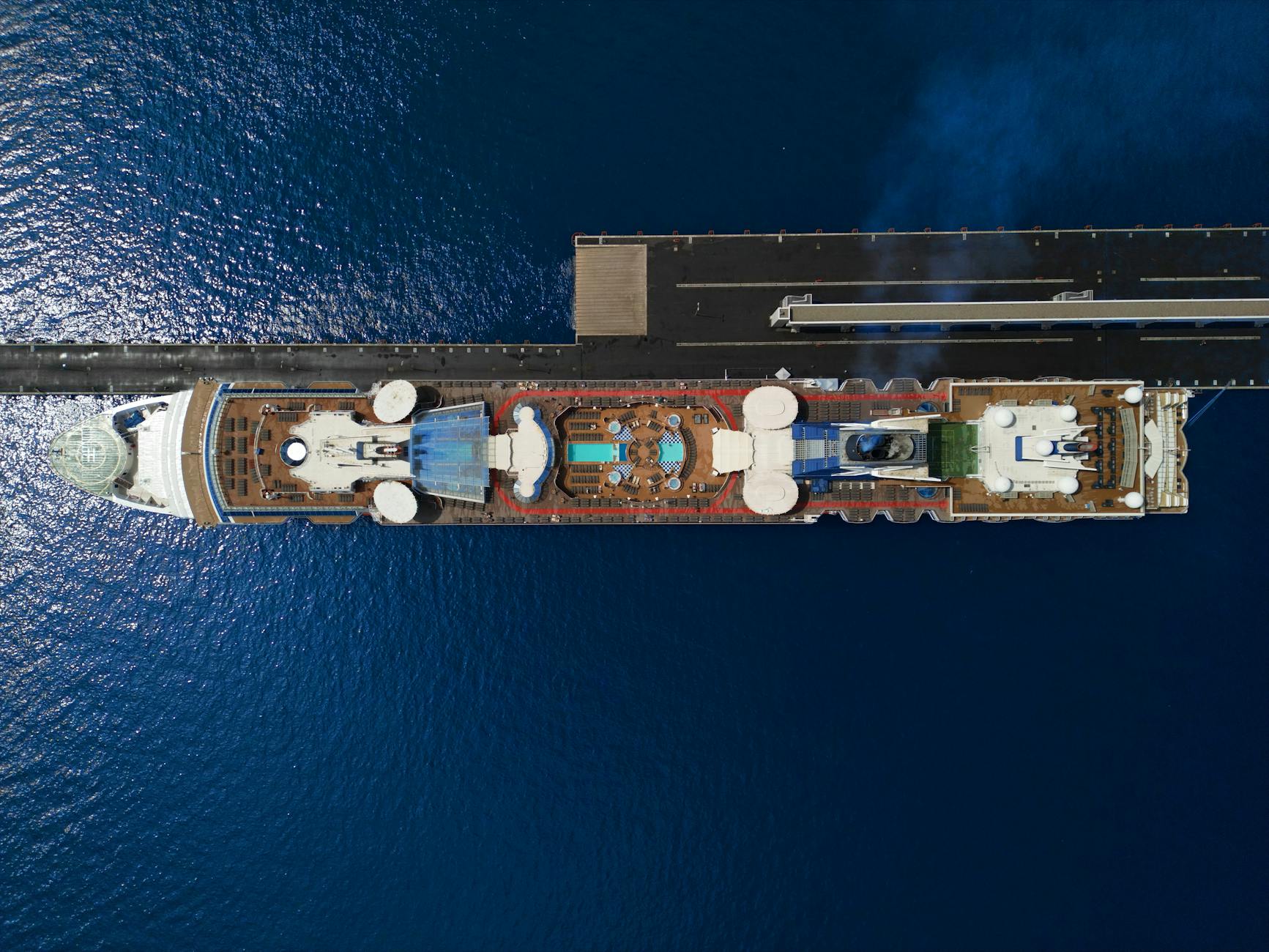
Premium Experiences Drive Revenue Growth
Royal Caribbean International posted a 15% increase in bookings compared to pre-pandemic levels, with their newest ships featuring everything from skydiving simulators to robotic bartenders. The company’s Icon of the Seas, which launched earlier this year, sold out its inaugural season within weeks of bookings opening.
Norwegian Cruise Line Holdings reported similar momentum, with CEO Frank Del Rio noting that customers are increasingly selecting higher-tier cabin categories and premium dining packages. “We’re seeing guests choose balcony suites over interior rooms, specialty restaurants over buffets, and shore excursions over pool days,” Del Rio explained during the company’s recent earnings call.
The trend extends beyond mainstream cruise lines. Luxury operators like Silversea and Regent Seven Seas are experiencing unprecedented demand, with some 2025 itineraries already sold out. These ultra-premium brands, which can cost upward of $10,000 per person for a week-long voyage, are benefiting from wealthy travelers seeking exclusive experiences.
Virgin Voyages, Richard Branson’s adults-only cruise line, reported that their “Sailor Loot” loyalty program membership grew by 200% in the past year. The brand’s rock-and-roll aesthetic and no-kids policy have attracted younger affluent travelers who might otherwise choose land-based luxury resorts.
Post-Pandemic Travel Psychology Reshapes Booking Patterns
Industry analysts point to a fundamental shift in how people view vacation spending. After years of cancelled trips and restricted travel, consumers are treating cruises as essential rather than optional purchases. This mirrors trends seen across other experience-based industries, where traditional spending patterns have been disrupted by changing consumer priorities.
The “revenge travel” phenomenon, where people splurge on trips to make up for lost time, continues to drive bookings despite economic headwinds. Travel advisors report clients saying they’ll cut other expenses – dining out, clothing, home renovations – to afford their dream cruise.
Wave season, the traditional January-to-March booking period for cruises, saw record sales across all major lines. Carnival Corporation reported that advance bookings for 2024 exceeded 2019 levels by 20%, with customers putting down deposits earlier and choosing longer itineraries.
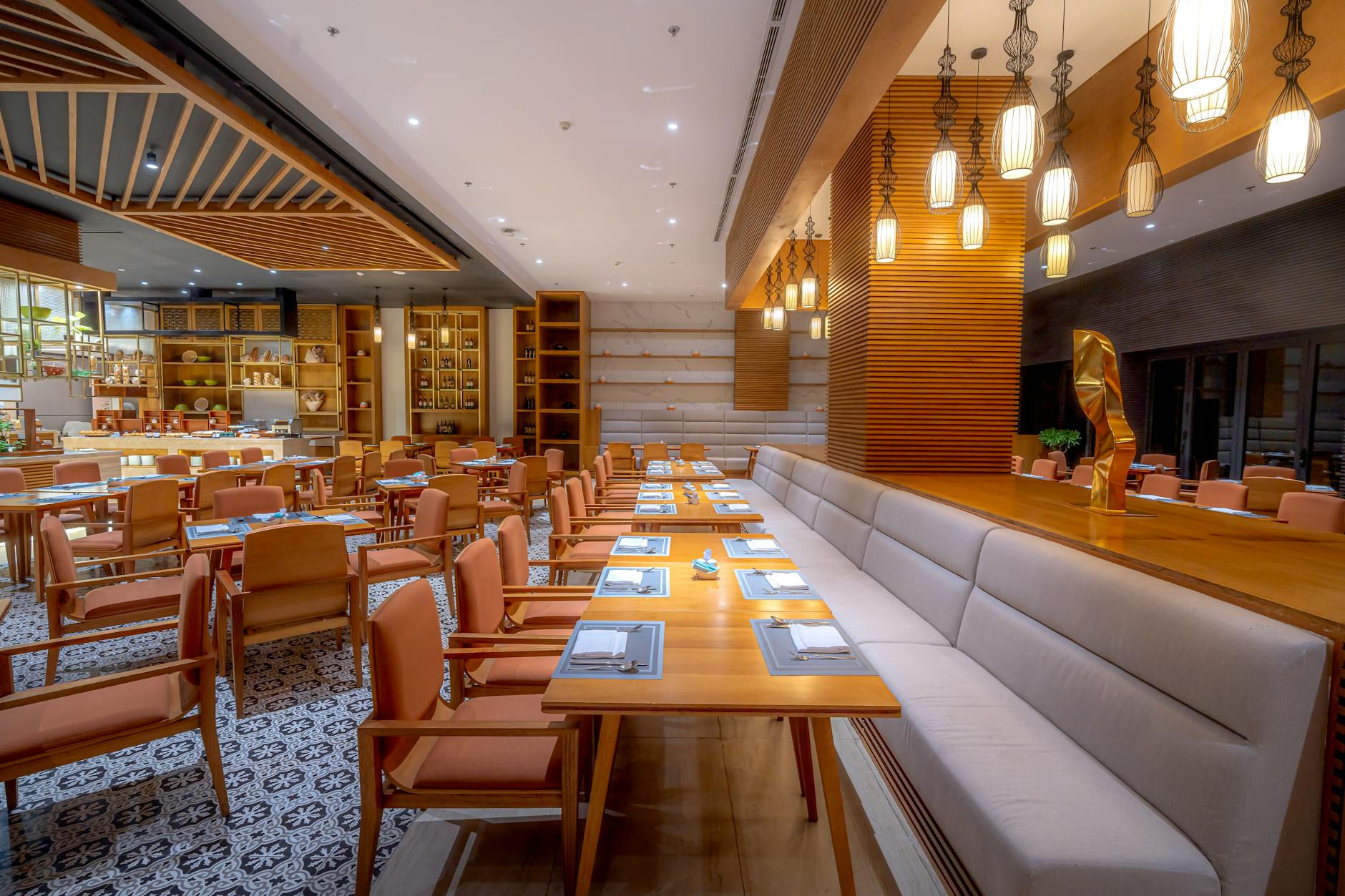
Payment flexibility has become crucial. Most cruise lines now offer extended payment plans, allowing travelers to book trips up to two years in advance while spreading costs over 18-24 months. This approach makes luxury cruises accessible to middle-class families who might otherwise postpone such expenses during uncertain times.
The demographics of cruise passengers are also evolving. Millennials now represent the largest age group booking cruises, drawn by Instagram-worthy amenities and destinations. Meanwhile, Gen Z travelers are increasingly choosing cruises for group celebrations like graduations and bachelor parties.
New Ships and Destinations Fuel Demand
Cruise lines are responding to record demand by accelerating ship launches and expanding itineraries. Royal Caribbean’s Wonder of the Seas, currently the world’s largest cruise ship, features 20 restaurants, multiple pools, and entertainment venues that rival Broadway theaters.
MSC Cruises, the European giant expanding rapidly in North America, is introducing AI-powered personal assistants in staterooms and partnering with Michelin-starred chefs for specialty dining. Their newest ships target affluent travelers seeking European sophistication with American-style amenities.
Expedition cruising to remote destinations like Antarctica and the Arctic has seen particularly strong growth. Lindblad Expeditions and Hurtigruten report waiting lists for their small-ship adventures, as travelers seek unique experiences they can’t find elsewhere.
Celebrity Cruises’ Celebrity Beyond and Celebrity Apex have revolutionized ship design with rooftop gardens, craft breweries, and art installations by contemporary artists. These vessels position cruising as a cultural experience rather than just transportation between destinations.
The private island trend continues expanding, with Norwegian’s Harvest Caye in Belize and Royal Caribbean’s Perfect Day at CocoCay in the Bahamas offering exclusive beach experiences. These controlled environments allow cruise lines to guarantee sunny weather activities while generating additional revenue through premium cabanas and excursions.
Economic Resilience Signals Industry Transformation
The cruise industry’s performance during economic uncertainty suggests fundamental changes in how Americans prioritize spending. Unlike previous recessions when discretionary travel dropped sharply, current booking patterns indicate cruises have become more essential to consumers’ lifestyle aspirations.
Financial analysts note that cruise stocks have outperformed broader market indices this year, with investor confidence buoyed by consistent booking strength. The industry’s recovery from pandemic lows has been faster and more complete than many predicted, positioning major operators for continued growth.
Looking ahead, cruise executives remain optimistic despite macroeconomic challenges. New ship orders continue, with deliveries scheduled through 2028. These vessels incorporate advanced environmental technologies and elevated amenities that justify premium pricing even in competitive markets.
The success of luxury cruise bookings during economic uncertainty reflects broader changes in consumer behavior, where experiences increasingly trump possessions and where payment flexibility makes aspirational purchases accessible to more travelers.
Frequently Asked Questions
Why are cruise bookings strong despite economic uncertainty?
Travelers are prioritizing experiences over material goods, and cruise lines offer extended payment plans that make luxury voyages more accessible during tight economic times.
Which cruise lines are seeing the strongest booking growth?
Royal Caribbean, Norwegian Cruise Line, and Celebrity Cruises all report record-breaking reservations, with premium and luxury operators seeing particularly strong demand.