




For years, the F-35 was the line that moved Lockheed Martin’s stock on earnings day. Now the sharper question on the call is how quickly the company can turn missile orders into missiles.
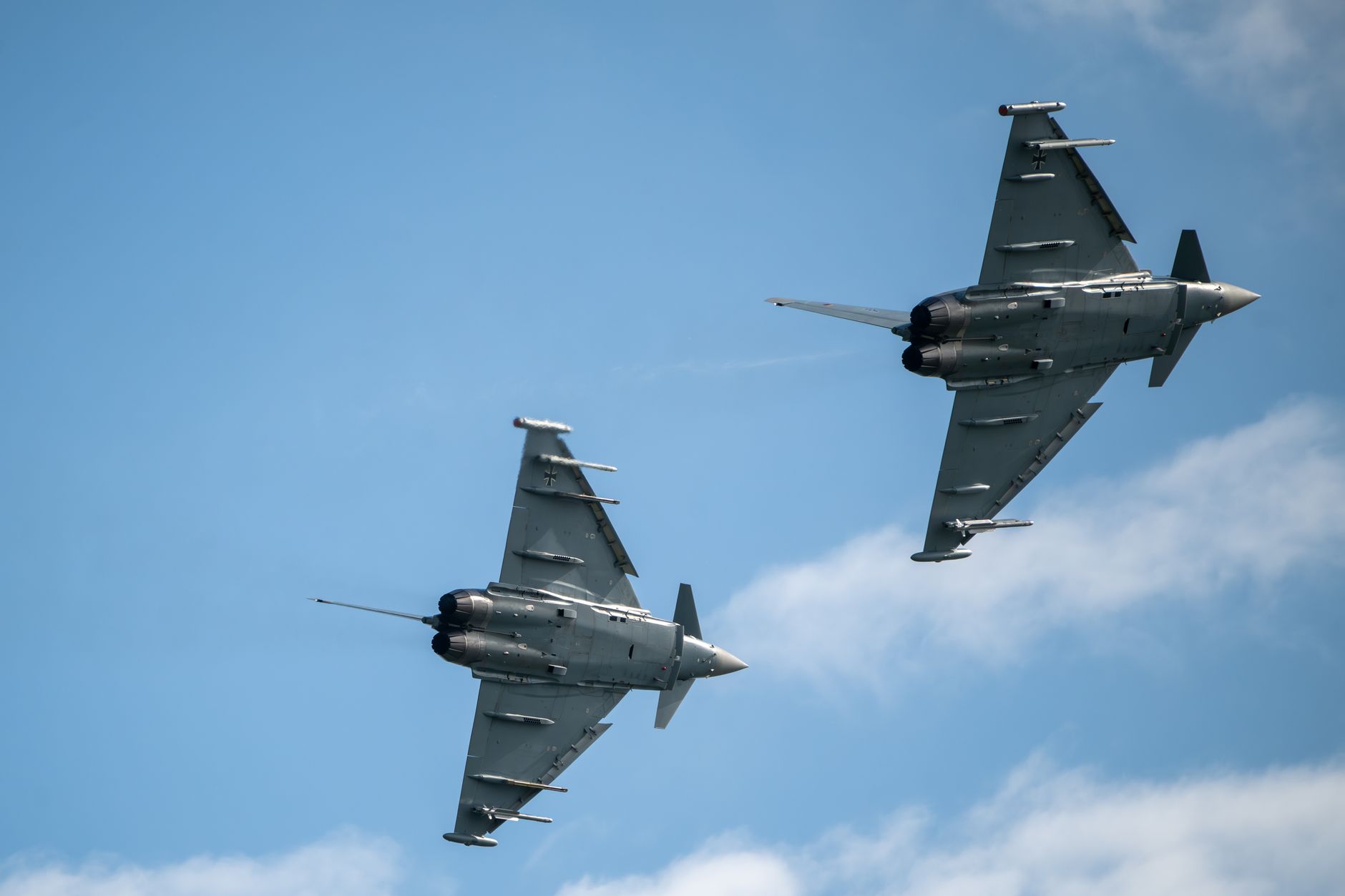
The Jet Is Still the Biggest Program, but It Is No Longer the Loudest
The F-35 remains the largest single program in Lockheed Martin’s portfolio, and nothing about its role in allied air power has changed. Dozens of air forces fly it or plan to, and the sustainment work that follows each delivery will run for decades. What has changed is how much suspense surrounds it. The jet’s near-term story is now mostly about timing, not about whether demand exists.
That timing problem was real. The Technology Refresh 3 upgrade, which brought new processing hardware and a path to future software capability, held up acceptance of finished aircraft. Jets came off the line and sat waiting for software mature enough to run on the new hardware. For several quarters, delivery counts and the cash tied to them dominated coverage of the company, and every update on the upgrade was parsed for signs of further slippage.
But a delay with an identified cause and a visible fix is a different kind of risk from an open-ended one. Investors can model when parked aircraft get accepted and when withheld payments are released. The cash does not vanish, it moves between quarters, and a quarter-to-quarter shift in delivery timing rarely changes the long-term thesis on a program this entrenched.
The jet has become a known quantity, and markets tend to stop obsessing over what they can predict. Attention goes instead to the part of the business where the unknowns are larger and the ceiling is less obvious.
Why Missiles Now Set the Tone
Lockheed’s Missiles and Fire Control segment covers some of the most heavily requested weapons in the Western arsenal. PAC-3 interceptors defend against ballistic and cruise missile threats. GMLRS rockets fired from HIMARS launchers became a signature weapon of the war in Ukraine. JASSM and LRASM are long-range strike weapons that matter in any Indo-Pacific planning scenario. Add PrSM, the Army’s newer precision strike missile, and the segment looks like a catalog of what militaries say they are short of.
That shortage is the core of the story. Years of low-rate production left stockpiles thin, and recent conflicts consumed interceptors and munitions faster than factories were built to replace them. Governments that once ordered these weapons in modest lots are now asking for far more, and they want them sooner. The result is a backlog that grows faster than the company can burn it down.
A backlog, though, is a promise and not revenue.
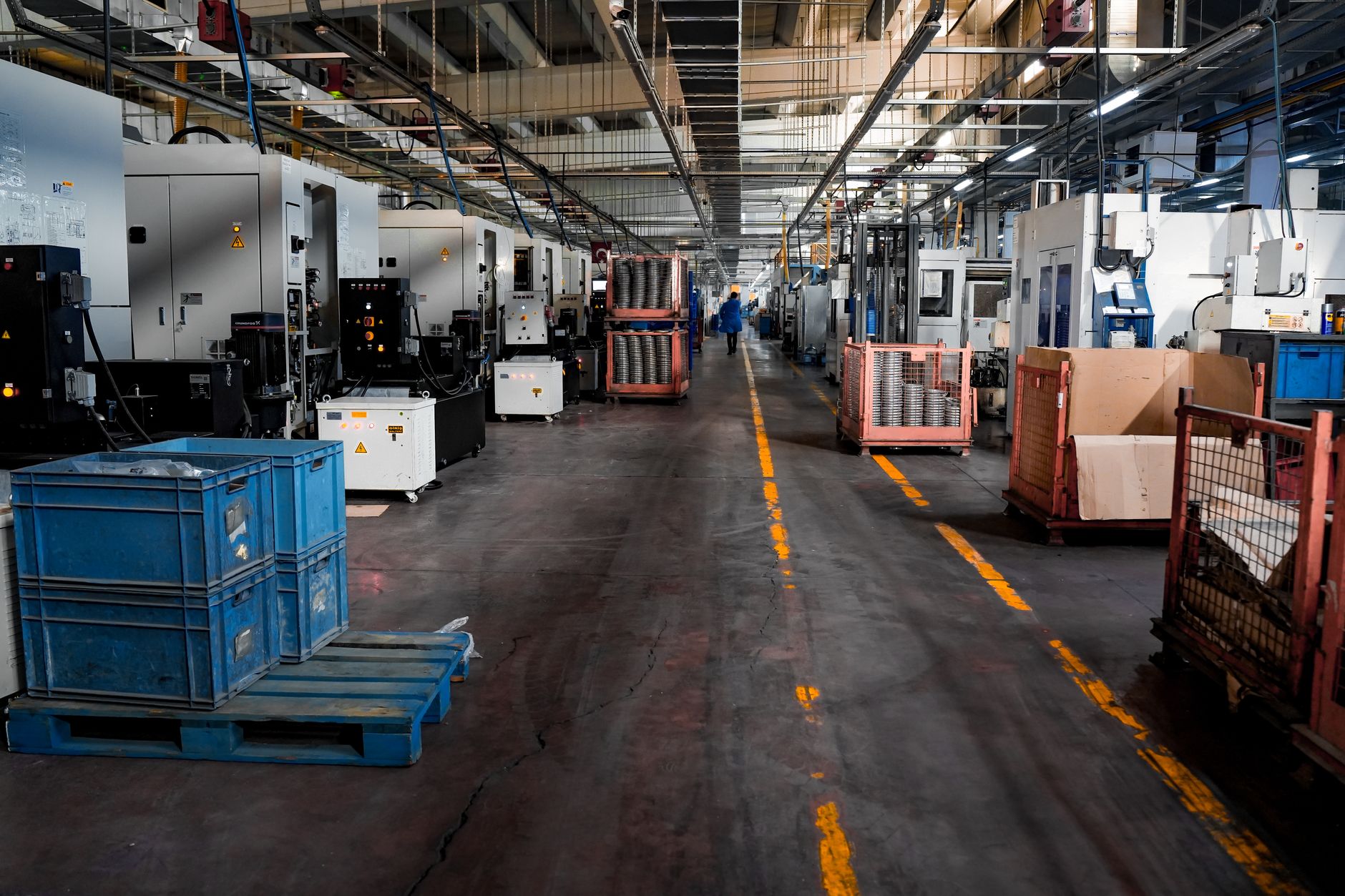
Converting that promise means expanding production lines, qualifying suppliers, and securing the components that tend to bottleneck missile output, such as seekers, rocket motors, and specialized electronics. Demand is not the constraint here. Factory throughput is, and throughput depends on a supply chain that includes many smaller firms with limited ability to scale quickly. This is why the missile conversation on an earnings call sounds different from the jet conversation: executives are asked about capacity, hiring, and supplier health, not about whether customers still want the product.

Government behavior has begun to match the urgency. Multiyear procurement agreements give a manufacturer the confidence to spend on new capacity before every individual order is signed, and Lockheed has publicly committed to ramping output of its most in-demand interceptors. Those commitments help, but they also tie the company to delivery schedules it must now meet. A missed ramp target would damage trust with a customer base that has few alternatives yet plenty of impatience.
Profitability adds another layer. Scaling a production line is expensive, and fixed-price contracts leave the contractor holding the bag when costs run above estimates. Past quarters have included charges tied to classified programs, a reminder that backlog size says nothing about whether the work earns its expected margin. A large order book can look reassuring right up until the cost of fulfilling it arrives.
What Investors Are Watching Next
The useful indicators are fairly plain. Segment sales growth in Missiles and Fire Control against Aeronautics shows whether the mix is shifting in practice and not just in conversation. Free cash flow conversion shows whether growing activity turns into cash or gets absorbed by working capital and ramp costs. And supplier commentary, especially around rocket motors, will say more about future output than any headline order announcement.
There is also an uncomfortable asymmetry. A completed F-35 waiting on software still ends up paid for eventually, because the customer is committed and the aircraft exists. A missile that was ordered but not built is a different proposition: the buyer may look for other suppliers, other weapons, or domestic alternatives if the wait drags on. If the jet’s risk is when the cash arrives, what exactly is the missile business’s risk if the factories cannot keep pace?
Frequently Asked Questions
Why is Lockheed Martin’s missile backlog getting more attention than F-35 deliveries?
F-35 delays stem from a known upgrade issue with a visible fix, while the missile business depends on how fast factories and suppliers can scale. That makes missiles the larger unknown for investors.
What is the TR-3 upgrade and why did it affect F-35 deliveries?
Technology Refresh 3 is an upgrade of the F-35’s processing hardware and software foundation. Delays in getting mature software for it held up customer acceptance of finished aircraft.
Does a large backlog guarantee higher profits for Lockheed Martin?
No. A backlog is a set of future orders, not recognized revenue. Margins depend on production costs, supplier performance, and contract terms such as fixed-price arrangements.