





The Quiet Expansion of a Hybrid Vehicle
Interval funds occupy a strange middle ground in the fund universe – they are registered under the Investment Company Act of 1940, which gives retail investors legal protections and regulatory oversight, yet they invest in assets that most retail funds cannot touch: private credit, real estate debt, infrastructure loans, and other instruments that cannot be quickly sold. That combination is exactly what a growing segment of the wealth management market has been waiting for.
Over the past several years, interval funds have pulled in capital at a pace that suggests genuine demand, not just marketing momentum. Unlike traditional closed-end funds that trade on exchanges at whatever price the market sets, interval funds price at net asset value and allow redemptions only during periodic windows – typically quarterly – capped at a percentage of shares outstanding. That structure makes them illiquid by design, but it also means the manager can actually invest in illiquid assets without worrying that a market panic will force a fire sale. The mechanics, once understood, are almost elegant.

Why Retail Was Left Out – Until Now
Access to private credit and real asset debt has historically required either a sophisticated investor designation, a minimum check size in the hundreds of thousands, or both. The vehicles serving institutional capital – private limited partnerships, separately managed accounts with high minimums, hedge fund structures – were built for pension funds and endowments, not for the financial advisor managing a $2 million book of business in the suburbs. Interval funds change that math without dismantling the structure that makes illiquid investing work.
The appeal for advisors is straightforward. A client who wants exposure to private real estate credit or direct lending can now get it through a fund that files with the SEC, sends tax forms, and accepts investments as low as $25,000 or even $10,000 in some cases. The compliance burden for the advisor drops significantly. The client gets access without needing to meet accredited investor or qualified purchaser thresholds in many cases – though individual fund requirements vary. That combination has moved interval funds from a niche curiosity to a line item in model portfolios at a number of registered investment advisory firms.
How the Liquidity Mismatch Actually Works
The central risk in any interval fund is the gap between what the fund owns and how fast investors can get out. If a fund invests in five-year private loans and promises quarterly redemptions, something has to give when redemption requests pile up. The answer is the cap – most interval funds limit redemptions to 5% of net asset value per quarter, which is the regulatory minimum buffer required under SEC rules. If investors submit redemption requests exceeding that cap, they are satisfied pro-rata, meaning everyone gets a fraction of what they asked for and must wait for the next window.
That is not a bug – it is the entire point. The redemption cap exists to protect the remaining investors from being diluted by a rush to the exit. Because private credit assets cannot be liquidated quickly without taking haircuts, the cap ensures the manager is never forced to sell at distressed prices to meet outflows. Investors who understand this going in are, by definition, selecting into a vehicle designed for patient capital. The problem arises when the structure is sold to investors who misunderstand their own liquidity needs, which is a distribution risk, not a structural one.

The interest rate environment of recent years has made private credit specifically attractive for interval funds. When publicly traded bonds were yielding low single digits, private credit was generating floating-rate returns with meaningful spreads above benchmarks. As rates rose, those floating-rate structures reset upward, making the income profile more attractive at exactly the moment that traditional fixed income was experiencing price declines. Interval funds investing in private credit rode that dynamic, posting yield numbers that looked favorable against public bond alternatives – which accelerated inflows and drew more sponsors into the space.
There are now dozens of interval funds registered with the SEC across strategies including private real estate debt, direct lending, specialty finance, infrastructure credit, and diversified multi-asset alternatives. The strategy mix matters enormously because interval funds, like any fund, are only as good as the underlying manager’s ability to source and underwrite assets. The wrapper creates access; it does not create alpha. A fund investing in mediocre private loans is still a fund investing in mediocre private loans, regardless of how well-designed the redemption structure is. That distinction gets lost in the marketing materials more often than it should.
What Drives Advisor Adoption – and What Slows It
The financial advisor channel has been the primary engine of interval fund growth, and the reason is simple: advisors increasingly face clients asking why their portfolio has no exposure to private markets when every news cycle features stories about private equity returns or private credit yields. Interval funds give advisors an answer that does not require the client to be a qualified purchaser or sign a 50-page limited partnership agreement.
Adoption is not without friction. Custodial platforms have been inconsistent about which interval funds they support, and some major custodians have been slow to add new offerings to their approved product lists. Operational processing of interval fund redemptions also requires back-office attention that is not needed for daily-liquidity mutual funds. Smaller advisory firms without dedicated operations staff sometimes find the administrative overhead a deterrent, even when the investment case is sound.
The fee structure also invites scrutiny. Interval funds typically carry expense ratios that are higher than comparable public market alternatives, reflecting the cost of running private market operations inside a registered fund structure – due diligence, valuation, legal, and the ongoing regulatory compliance load of being a 1940 Act vehicle. Some funds layer management fees on top of performance allocations, which puts the total cost closer to private fund territory. Whether that fee load is justified depends entirely on whether the manager can deliver returns that public market alternatives cannot, and that question does not have a universal answer.
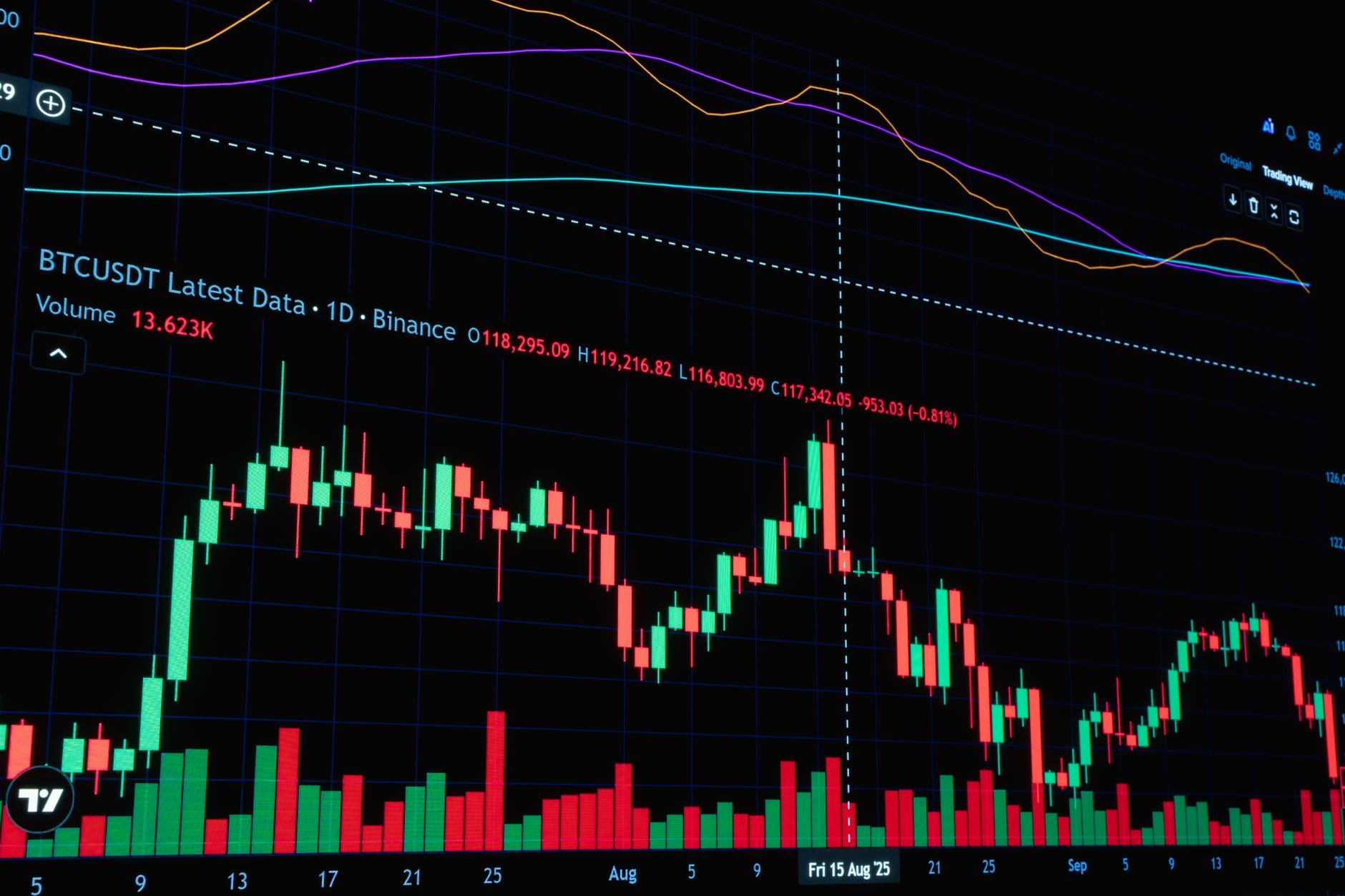
The regulatory environment is also shifting around valuation. Illiquid assets inside registered funds need to be fair-valued, and the SEC has increased its scrutiny of how asset managers determine those values. A fund that marks its private loans at par when credit conditions are deteriorating will eventually face a reckoning – either through actual credit losses, a forced remarking of the portfolio, or redemption pressure from investors who sense the NAV is stale. This is not a theoretical concern. Several funds in adjacent product categories – non-traded REITs, business development companies – have faced exactly this dynamic in past credit cycles. Interval funds are not immune, and the next real credit stress will test whether the 1940 Act wrapper and the quarterly redemption cap together provide adequate protection, or whether they merely delay the inevitable.
Frequently Asked Questions
What is an interval fund and how is it different from a mutual fund?
An interval fund is a registered investment fund that invests in illiquid assets and limits redemptions to periodic windows, typically quarterly, rather than offering daily liquidity like a standard mutual fund.
Are interval funds safe for retail investors?
Interval funds carry real risks including liquidity constraints, valuation uncertainty, and higher fees. They are most appropriate for investors who genuinely do not need access to that capital for extended periods.