





Small farms across America are discovering a digital goldmine hidden in their traditional business model. While corporate agriculture dominates grocery store shelves, independent farmers are bypassing retailers entirely through subscription box programs that deliver fresh produce directly to consumers’ doorsteps.
The shift represents more than convenience – it’s a fundamental restructuring of agricultural economics. Farmers who once sold wholesale to distributors for pennies on the dollar now capture retail margins while building direct relationships with customers willing to pay premium prices for locally sourced, seasonal produce.
Direct-to-Consumer Model Transforms Farm Economics
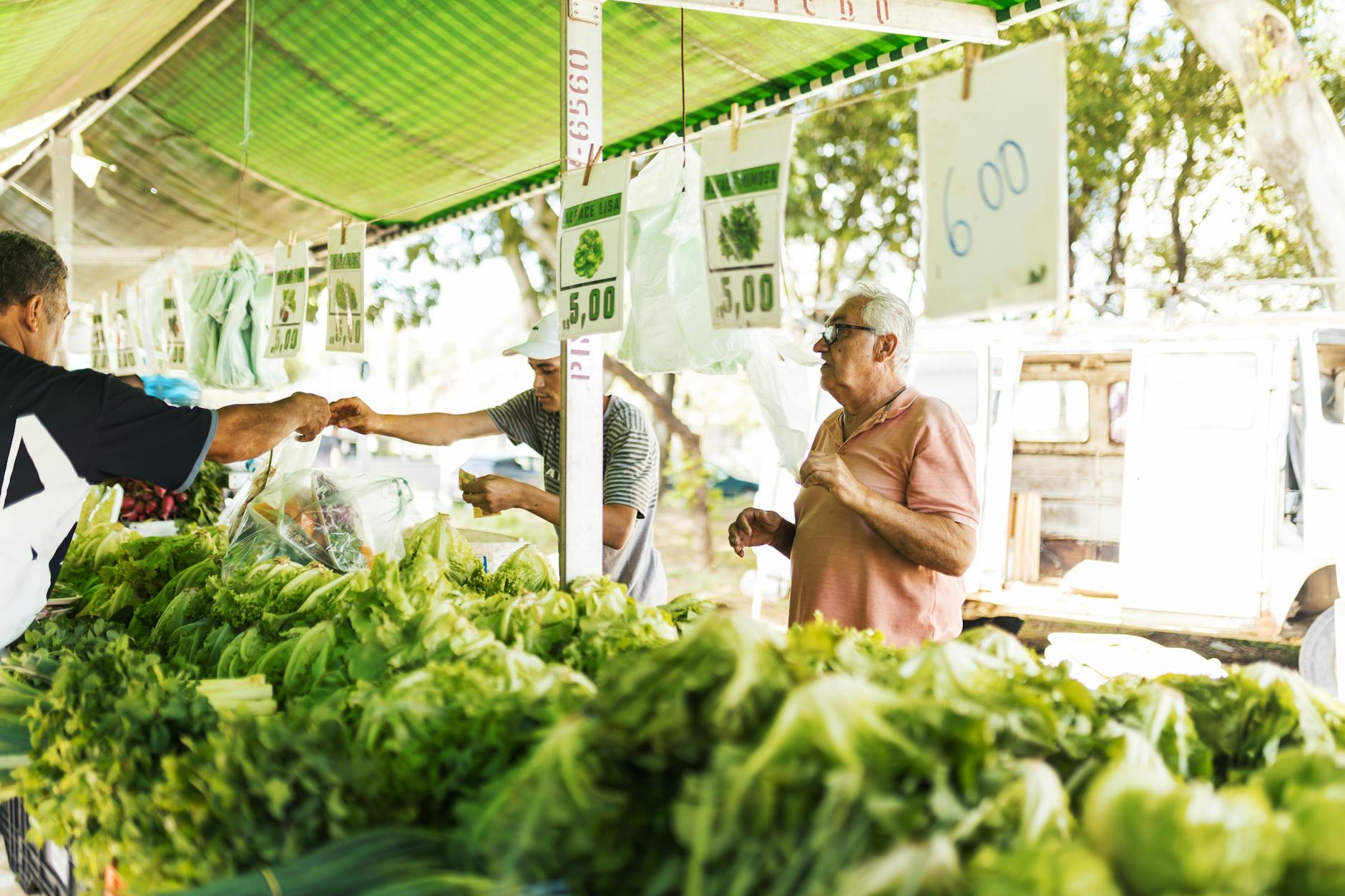
Traditional farming revenue flows through multiple intermediaries before reaching consumers. Farmers typically sell to distributors who supply grocery chains, losing 60-70% of the final retail price in the process. Subscription boxes eliminate these middlemen, allowing farmers to capture retail margins while maintaining predictable weekly revenue.
Wilson Family Farm in Vermont exemplifies this transformation. Owner Sarah Wilson reports that transitioning 40% of their production to subscription boxes increased their per-pound revenue by 300% compared to wholesale pricing. The farm now serves 400 weekly subscribers within a 50-mile radius, generating consistent cash flow that supports year-round operations.
The subscription model also reduces food waste significantly. Traditional farming requires overproduction to meet uncertain demand, often resulting in surplus crops with no buyers. Subscription farms harvest based on confirmed orders, reducing waste while ensuring customers receive peak-freshness produce.
Customer acquisition costs remain manageable through local marketing and word-of-mouth referrals. Most successful farm subscription programs rely on farmers market presence, social media engagement, and community partnerships rather than expensive digital advertising campaigns.
Technology Platforms Enable Small-Scale Operations
Software platforms specifically designed for farm subscriptions have democratized access to direct-to-consumer sales. Companies like Harvie, Local Food Marketplace, and Community Supported Agriculture (CSA) management systems provide turnkey solutions for inventory management, customer billing, and delivery logistics.
These platforms typically charge 2-5% transaction fees, significantly lower than traditional retail markups. Farmers input available inventory each week, and the software automatically generates customized boxes based on customer preferences and dietary restrictions. Automated billing systems handle recurring payments, reducing administrative overhead.
Mobile apps allow customers to modify upcoming deliveries, pause subscriptions during travel, or add specialty items like farm-fresh eggs or artisanal cheeses. This flexibility increases customer retention rates compared to rigid CSA programs that required full-season commitments.
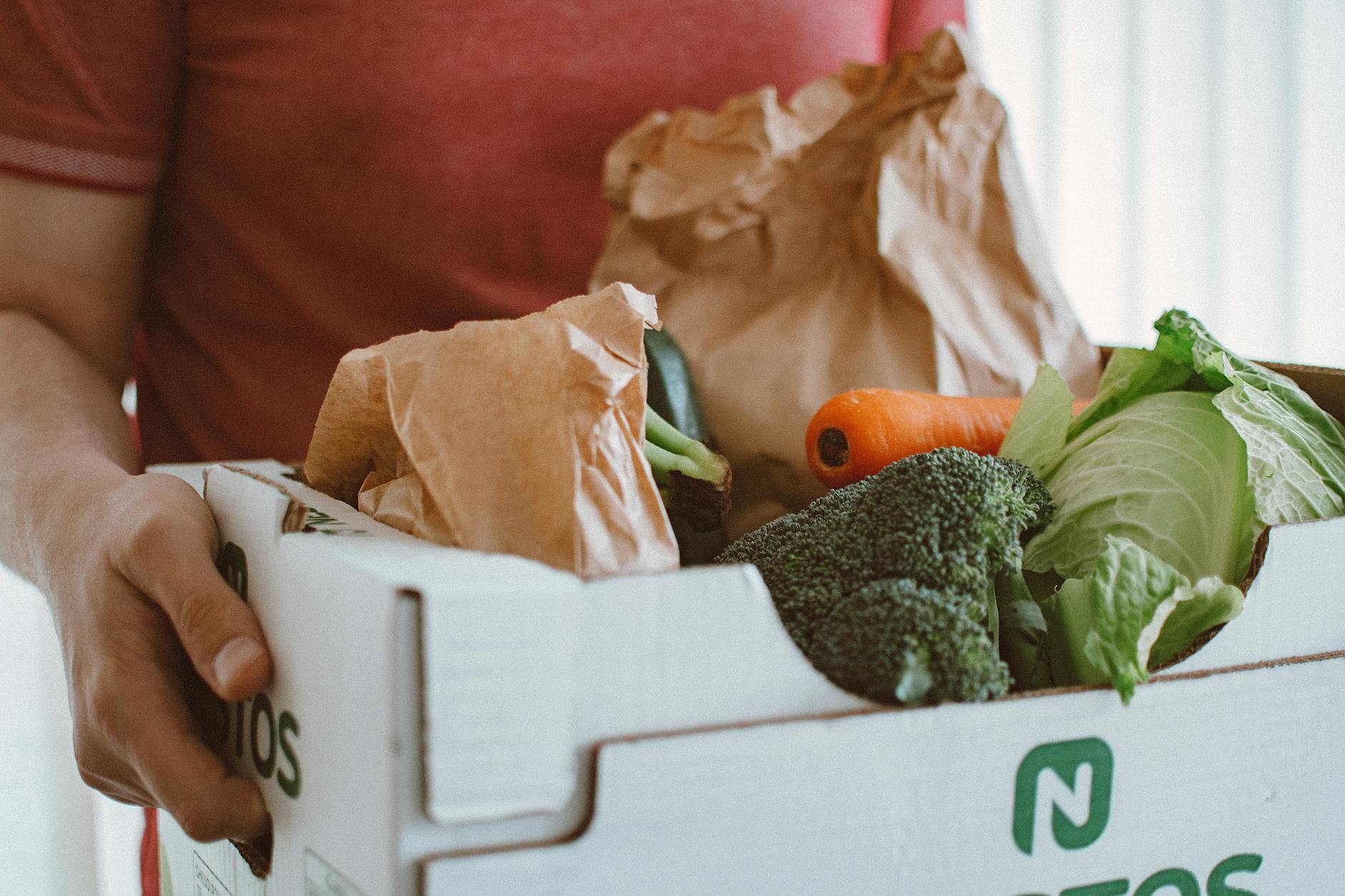
Integration with local delivery services has solved the logistics challenge that previously limited farm subscription programs. Many farms partner with existing delivery networks or coordinate group drop-offs at community centers, making weekly distribution feasible without major infrastructure investments.
The rise of subscription meal kit services has created consumer familiarity with regular food deliveries, making farm subscription boxes an easier sell to households already comfortable with the model.
Community-Supported Agriculture Evolves Beyond Traditional Models
Classic Community Supported Agriculture programs required customers to purchase full seasonal shares upfront, creating cash flow for farmers but limiting accessibility for many households. Modern farm subscription programs offer weekly, bi-weekly, or monthly options with pause-and-resume flexibility.
This evolution has expanded the customer base beyond committed locavores to include busy families seeking convenient access to fresh produce. Price points typically range from $25-45 per week for family-sized boxes, competitive with organic grocery store pricing while offering superior freshness and variety.
Successful programs often include value-added items beyond raw produce. Many farms partner with local artisans to include fresh bread, locally made cheese, free-range eggs, or small-batch preserves. These partnerships create cross-promotional opportunities while increasing average order values.
Educational components differentiate farm subscriptions from grocery store alternatives. Weekly newsletters include recipes, storage tips, and stories about farming practices. Some programs offer farm visits, seasonal events, or workshops on food preservation, building community connections that increase customer loyalty.
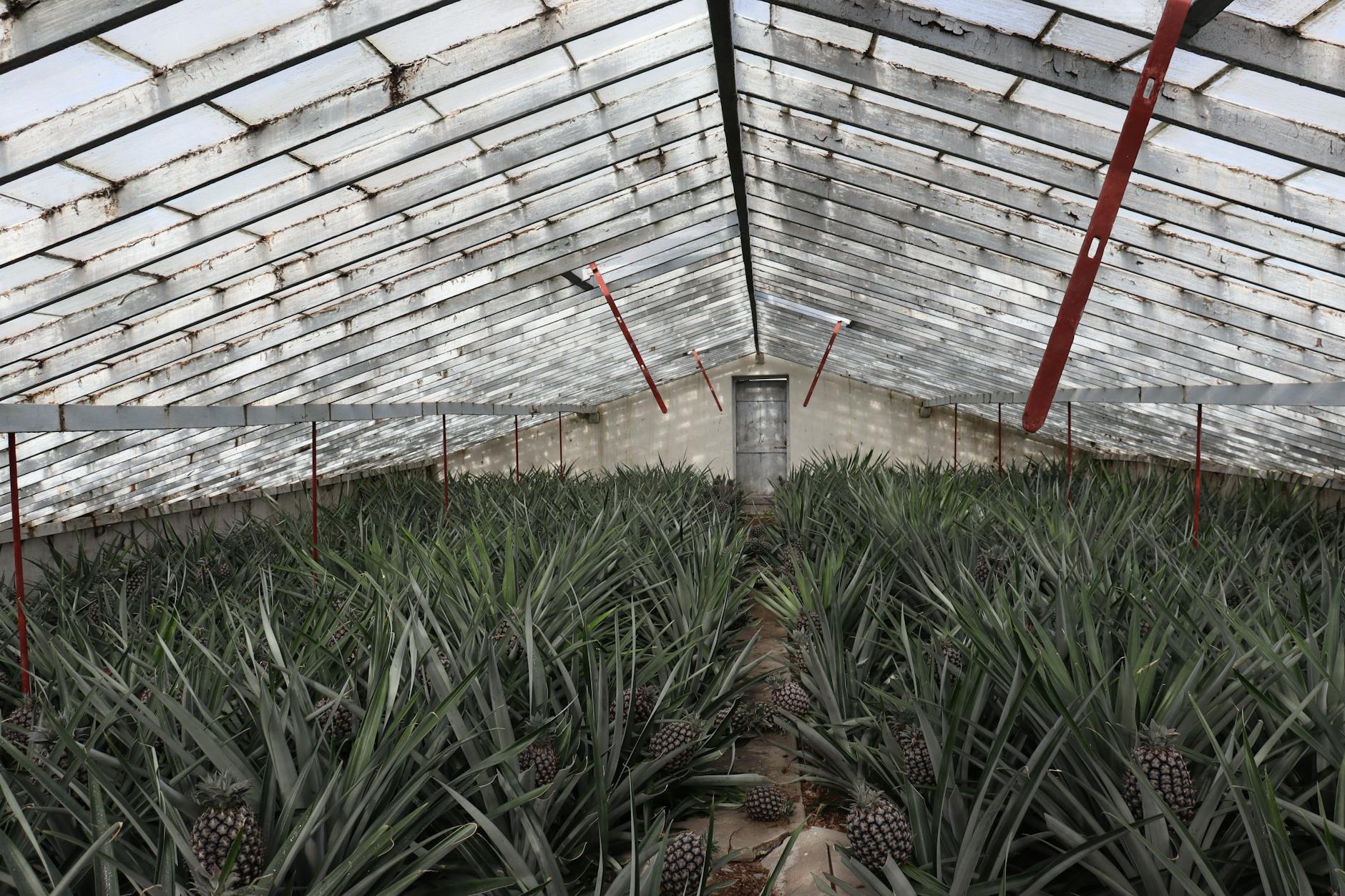
Seasonal variety challenges have been addressed through creative planning and strategic partnerships. Northern farms extend growing seasons with greenhouse production and preserve summer harvests through value-added products like pickles, salsas, or frozen items. Some coordinate with farms in different climatic zones to maintain year-round variety.
Market Expansion and Scaling Opportunities
Successful farm subscription programs are exploring expansion opportunities while maintaining their local focus. Multi-farm cooperatives allow individual producers to specialize in specific crops while offering customers greater variety through collaborative distribution networks.
Corporate partnerships represent emerging revenue streams for established programs. Some farms supply subscription boxes to employee wellness programs at local businesses, creating bulk orders that improve operational efficiency. Others partner with meal kit companies to supply specialty ingredients for featured recipes.
The pandemic accelerated adoption of farm subscriptions as consumers sought safer grocery alternatives and showed increased interest in supporting local businesses. Many programs that launched during 2020-2021 have maintained high subscription rates as customers appreciated the convenience and quality.
Geographic expansion typically occurs through franchise-style partnerships rather than direct scaling. Successful farm subscription operators consult with farmers in other regions, sharing operational knowledge while maintaining local ownership and community connections.
Urban farms are adapting the subscription model for city consumers, often incorporating hydroponic or vertical farming techniques to maximize production in limited space. These operations typically command premium pricing due to ultra-local sourcing and novel growing methods.
Looking ahead, farm subscription programs are positioned to capture growing consumer demand for transparency, sustainability, and local sourcing. As grocery prices continue rising and supply chain disruptions create availability concerns, direct relationships with local producers offer both economic and strategic value for households seeking reliable access to fresh, high-quality produce.
The success of these programs demonstrates how traditional industries can leverage digital tools to create new revenue streams while strengthening community connections. Independent farmers who embrace subscription models aren’t just surviving – they’re thriving by putting customers and quality first.
Frequently Asked Questions
How much can farmers increase revenue with subscription programs?
Farmers typically see 300% higher per-pound revenue compared to wholesale pricing by selling directly to consumers through subscription boxes.
What technology do farms need for subscription programs?
Specialized platforms like Harvie and CSA management systems handle inventory, billing, and customer management for 2-5% transaction fees.