




California’s Central Valley experienced its worst drought in over 400 years during 2021-2022, forcing farmers to abandon crops worth billions and pushing agricultural technology stocks into unexpected territory. What started as a climate crisis has become a catalyst for one of the market’s most compelling investment themes.
Water scarcity affects nearly 40% of the global population, according to the United Nations, and agricultural demand accounts for 70% of freshwater usage worldwide. This collision of diminishing resources and growing food needs has created a perfect storm that’s reshaping how investors view agricultural technology companies. From precision irrigation systems to drought-resistant seeds, the sector has emerged as both a solution to global challenges and a lucrative investment opportunity.
Precision Agriculture Companies Lead Market Gains
The agricultural technology sector has outperformed broader market indices by significant margins as water concerns intensify. Companies developing smart irrigation, soil monitoring, and water management systems have seen sustained investor interest throughout 2023 and 2024.
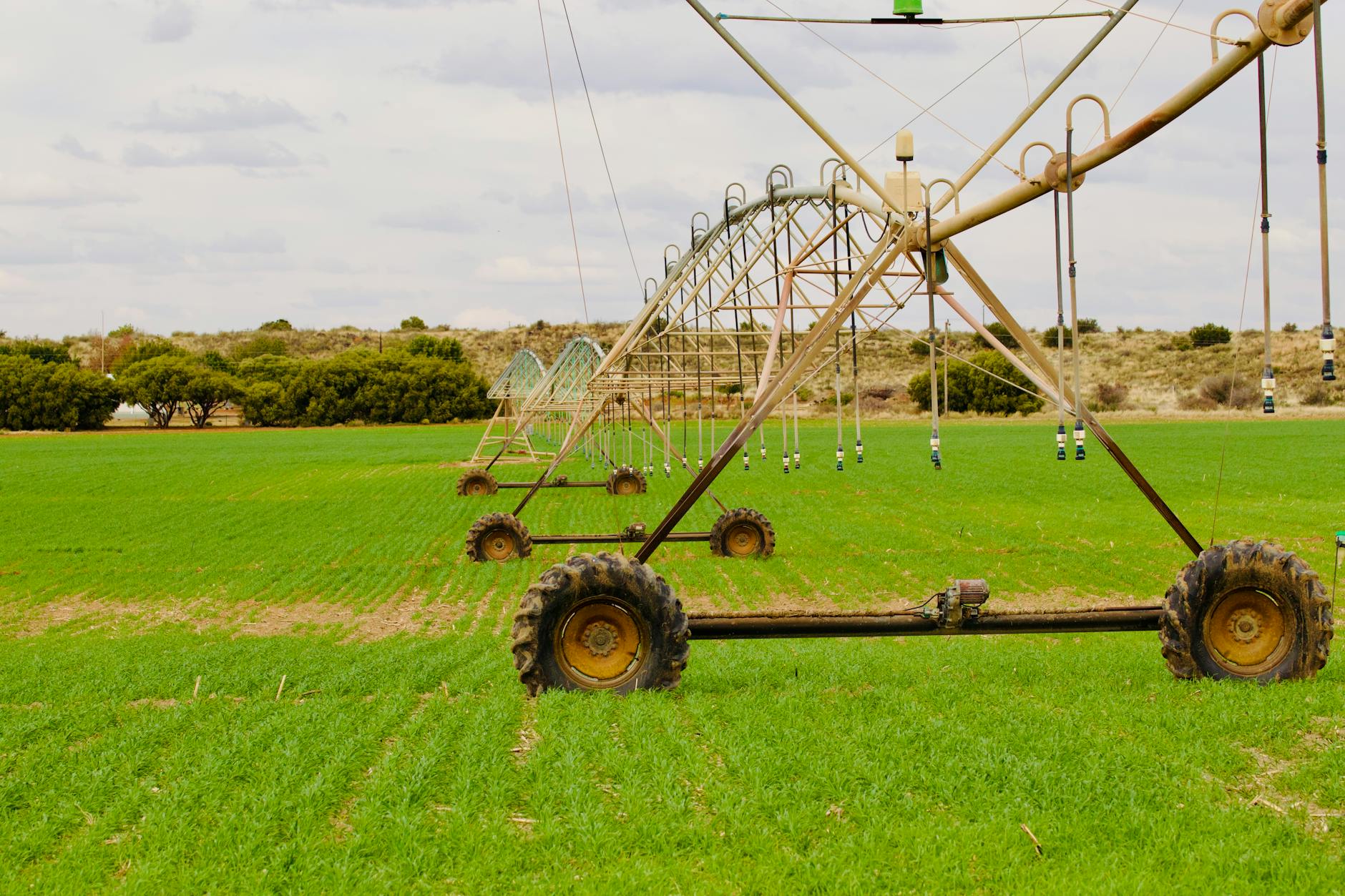
Trimble Inc., a leader in precision agriculture GPS and guidance systems, has benefited from increased demand for technology that optimizes water usage. Their field management software helps farmers apply water precisely where needed, reducing waste by up to 30% according to company data. Similar companies in the precision agriculture space have reported growing adoption rates as water costs rise and availability decreases.
John Deere’s investment in agricultural technology has also paid dividends. Their acquisition of Blue River Technology brought computer vision and machine learning to farming, enabling targeted application of water and nutrients. The company’s precision agriculture segment has become a key growth driver, particularly in water-stressed regions like the American Southwest and parts of Australia.
Israeli companies have particular expertise in this space, having developed water-efficient agriculture out of necessity. Netafim, a global leader in drip irrigation technology, has seen expanding international demand. Their systems can reduce water usage by 40-50% compared to traditional irrigation methods while maintaining or improving crop yields.
Seed Technology and Drought-Resistant Crops Drive Investment
Biotechnology companies developing drought-resistant crops represent another major investment opportunity within the water scarcity theme. These companies are using advanced breeding techniques and genetic modification to create plants that thrive with less water.
Bayer’s crop science division has invested heavily in drought-tolerant corn and soybean varieties. Their DroughtGard corn hybrids, developed through biotechnology partnerships, can maintain yields even under moderate drought conditions. These products have gained traction in water-limited regions across the United States, Brazil, and Africa.
Corteva, spun off from DowDuPont, focuses extensively on developing climate-resilient seeds. Their research pipeline includes crops engineered to use water more efficiently and withstand extended dry periods. The company’s Pioneer brand has introduced drought-tolerant corn varieties that have proven particularly popular with farmers in the Midwest during recent dry seasons.
Smaller biotech companies are also attracting investment for specialized solutions. Companies developing salt-tolerant crops for coastal farming areas affected by sea-level rise, or varieties that can grow in degraded soils with minimal water, have found eager investors looking for exposure to climate adaptation technologies.
Water Infrastructure and Smart Systems Create New Opportunities
Beyond the farm gate, companies providing water infrastructure and management systems for agriculture have gained investor attention. This includes everything from advanced pumping systems to AI-powered water allocation platforms.
Xylem Inc. manufactures water technology solutions including smart pumping systems and water quality monitoring equipment used in agricultural applications. Their products help optimize water distribution and detect leaks or inefficiencies in irrigation systems. The company has reported steady growth in agricultural sector sales as farms invest in water conservation technology.
Cloud-based agricultural platforms that help farmers make water management decisions have also attracted venture capital and public market interest. These systems use weather data, soil sensors, and satellite imagery to provide precise irrigation recommendations, helping farmers conserve water while maintaining productivity.
The Internet of Things (IoT) has enabled sophisticated water monitoring systems that were previously too expensive for most farming operations. Companies producing agricultural sensors, wireless networks, and data analytics platforms have seen increased demand as water becomes more precious and expensive.
Municipal water authorities are also investing in agricultural water management, creating opportunities for companies that provide both urban and rural water solutions. This convergence has led some investors to explore municipal green bond funds that finance water infrastructure projects benefiting both cities and surrounding agricultural areas.
Investment Challenges and Market Considerations
Despite the compelling long-term thesis, investing in water scarcity-driven agricultural technology comes with considerations. Many of these companies operate in cyclical agricultural markets subject to commodity price swings, weather patterns, and government policy changes.
Regulatory approval for new crop varieties can take years and face public resistance in some markets. Companies developing genetically modified drought-resistant crops must navigate complex approval processes and consumer acceptance issues that can delay or prevent market adoption.

Competition from established agricultural giants with deep pockets poses another challenge for smaller innovative companies. Large corporations like Cargill, ADM, and Monsanto (now part of Bayer) have resources to acquire promising technologies or develop competing solutions in-house.
International expansion can be difficult for agricultural technology companies due to varying regulations, local farming practices, and economic conditions. What works in California’s high-tech agriculture may not translate directly to smallholder farms in developing countries, even where water scarcity is severe.
Looking Forward: A Structural Investment Theme
Water scarcity in agriculture represents more than a cyclical investment opportunity – it’s a structural shift that’s likely to persist and intensify. Climate models predict expanding drought conditions in key agricultural regions, while global population growth continues to drive food demand higher.
The convergence of necessity and innovation has created a fertile ground for agricultural technology advancement. Just as previous resource constraints drove innovation in energy and materials, water scarcity is spurring development of more efficient agricultural systems.
For investors, this theme offers exposure to both defensive and growth characteristics. Agricultural technology provides essential solutions to a worsening problem, while also participating in the broader digitization of traditional industries. As water becomes increasingly precious, the companies that help agriculture adapt and optimize will likely find sustained demand for their solutions.
The sector’s performance will ultimately depend on successful deployment of new technologies and their adoption by farmers worldwide. But with water stress affecting agricultural regions from Australia to California to Sub-Saharan Africa, the market opportunity appears both large and durable. Investors seeking exposure to climate adaptation while benefiting from agricultural innovation may find this theme offers a compelling combination of purpose and profit potential.
Frequently Asked Questions
Which agricultural technology stocks benefit from water scarcity?
Companies developing precision irrigation, drought-resistant seeds, and smart water management systems see increased demand as water becomes scarce.
How does water scarcity affect agricultural technology investments?
Water shortages drive adoption of efficient farming technologies, creating sustained demand for companies offering water-saving agricultural solutions.