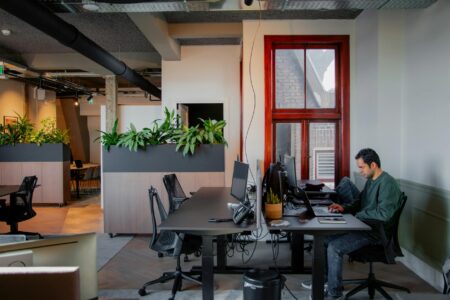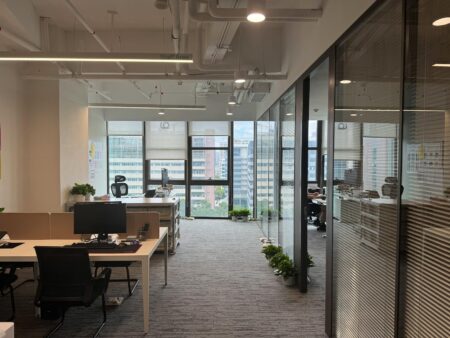





Downtown Seattle’s Columbia Center once housed 8,000 employees across its 76 floors. Today, less than half those desks see daily use. This stark transformation mirrors a nationwide shift that’s fundamentally altering commercial real estate markets across America.
The pandemic-driven remote work revolution hasn’t just changed where people work – it’s reshaping billions in property values, forcing landlords to reimagine entire business models, and creating both crisis and opportunity in equal measure. While some predicted a swift return to pre-2020 office occupancy rates, the data tells a different story. Remote and hybrid work arrangements have become permanent fixtures for millions of workers, sending shockwaves through commercial real estate markets from Manhattan to Silicon Valley.
Companies that once leased sprawling floor plates are downsizing dramatically. Others are abandoning traditional offices entirely, opting for flexible coworking arrangements or fully distributed teams. The ripple effects extend far beyond landlords and tenants, touching everything from municipal tax revenues to the coffee shops and restaurants that depend on office workers for survival.
Office Vacancy Rates Reach Historic Highs
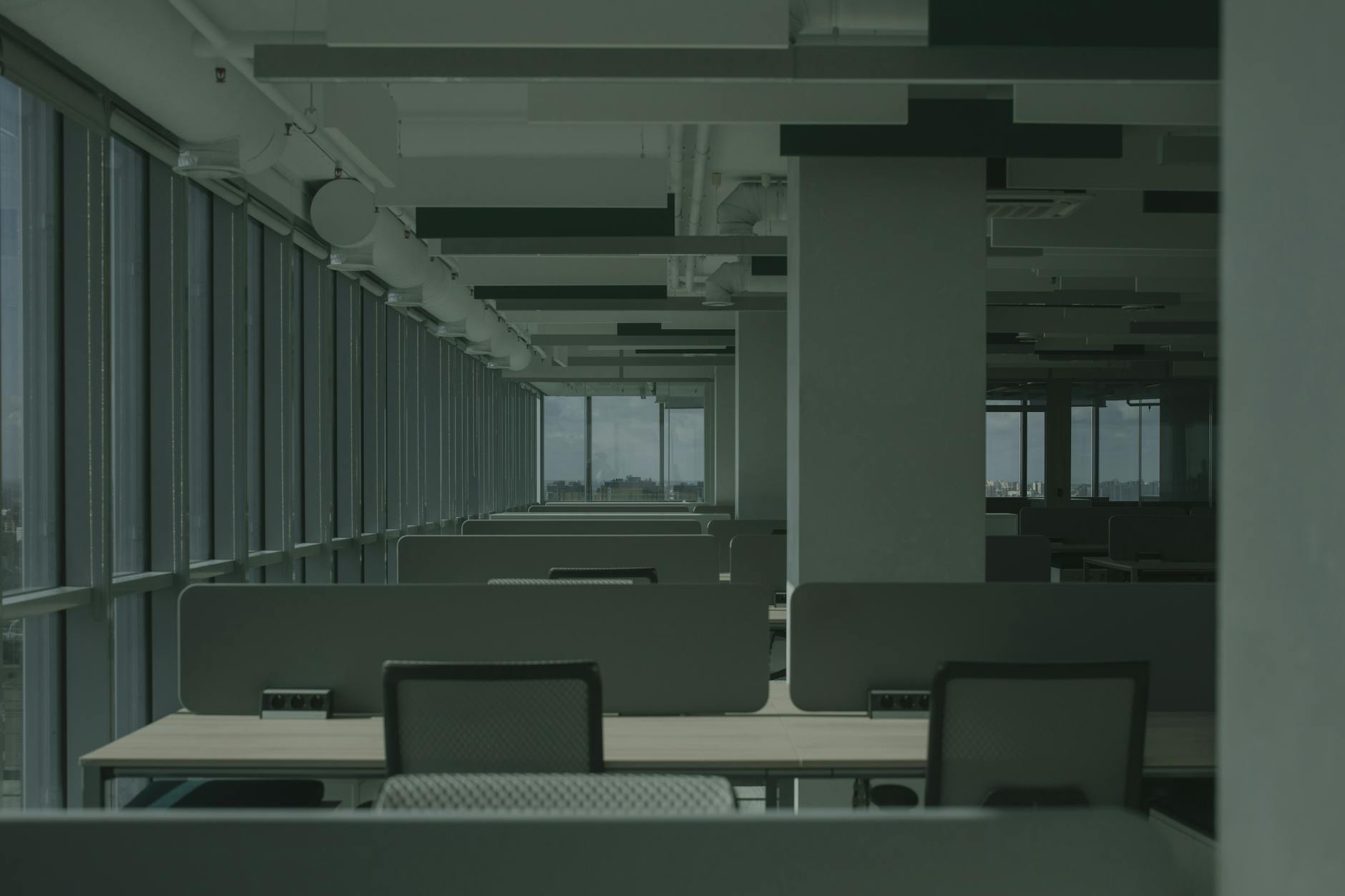
Commercial real estate markets nationwide are grappling with vacancy rates not seen since the early 1990s recession. Major metropolitan areas report office vacancy rates climbing well above 20%, with some submarkets approaching 30%. San Francisco, once the epicenter of tech expansion, has witnessed entire floors of premium office space sitting empty for months.
The numbers paint a sobering picture. According to industry reports, Class A office buildings in prime downtown locations are experiencing the steepest declines in occupancy. These properties, which commanded premium rents just four years ago, now struggle to attract tenants even with significant concessions and reduced rates.
Landlords are responding with increasingly creative approaches. Rent-free periods that once lasted six months now extend to full years. Some property owners offer tenant improvement allowances that essentially subsidize complete office redesigns. Others are pivoting to mixed-use conversions, transforming upper floors into residential units while maintaining commercial space at street level.
The shift isn’t uniform across all markets. Secondary cities with lower cost bases are seeing more resilient demand, particularly from companies relocating from expensive coastal markets. Nashville, Austin, and Raleigh have reported steadier occupancy rates as businesses embrace geographic arbitrage strategies.
Adaptive Reuse and Mixed-Use Conversions Accelerate
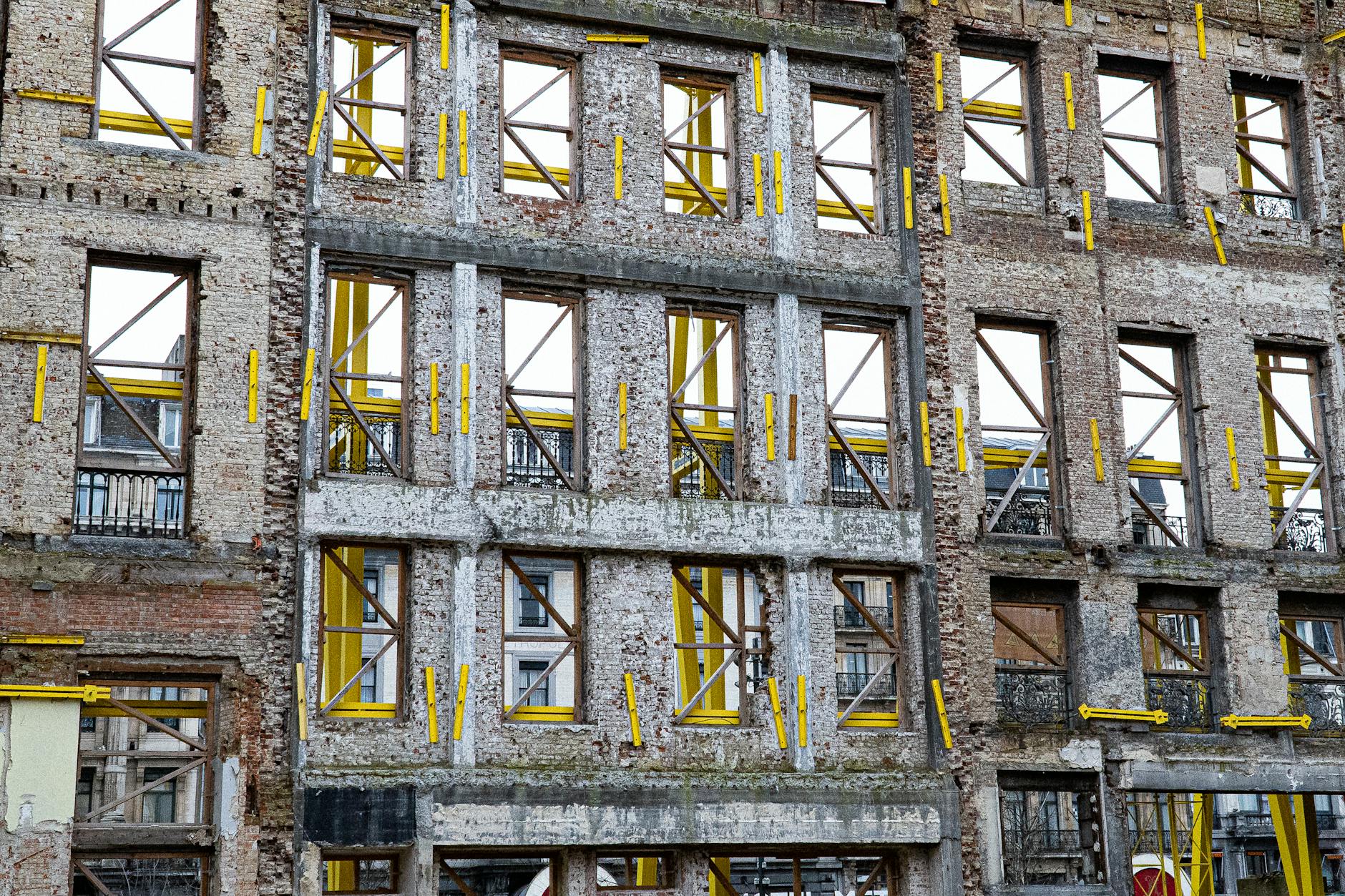
Property owners are increasingly turning to adaptive reuse strategies to salvage value from underperforming office assets. Converting office buildings to residential apartments presents both opportunity and significant challenges. Successful conversions require substantial capital investment, regulatory approvals, and creative architectural solutions to transform spaces designed for desks into livable homes.
New York City has emerged as a testing ground for these conversions, with several high-profile projects underway in Lower Manhattan. The process typically involves gutting interiors, upgrading mechanical systems, and reconfiguring floor plates to accommodate residential layouts. While expensive, successful conversions can restore property values and generate steady rental income in markets with housing shortages.
Mixed-use developments represent another adaptation strategy. Property owners are creating environments that blend office space with retail, dining, fitness facilities, and even residential components. This approach acknowledges that future office tenants will likely prioritize amenities and convenience over pure square footage.
Some developers are experimenting with flexible space concepts that can shift between office and event uses depending on demand. These hybrid models allow property owners to capture multiple revenue streams while providing tenants with more dynamic work environments.
Small and Mid-Size Markets Show Resilience
While major metropolitan areas struggle with oversupply, smaller markets are demonstrating surprising resilience. Mid-size cities with diversified economies and lower real estate costs are attracting businesses seeking alternatives to expensive coastal markets. This geographic redistribution is creating new commercial real estate opportunities outside traditional business centers.
Companies adopting distributed work models are establishing smaller satellite offices in multiple markets rather than maintaining single large headquarters. This strategy reduces real estate costs while providing employees with more location flexibility. The approach is particularly appealing to technology companies and professional services firms that can operate effectively with reduced physical footprints.
The trend toward regional diversification is also influencing corporate sustainability reporting initiatives. Companies are discovering that distributed office models can significantly reduce their carbon footprints by eliminating daily commuting for large employee populations. This environmental benefit aligns with growing corporate sustainability reporting requirements and provides additional justification for reduced office footprints.
Smaller markets benefit from this shift through increased local employment opportunities and economic diversification. However, they must also invest in infrastructure and amenities to compete effectively for relocated businesses and their employees.
Investment Strategies Evolve for New Reality
Real estate investment strategies are undergoing fundamental shifts as investors recalibrate their approaches to commercial properties. Traditional office-focused real estate investment trusts (REITs) are diversifying portfolios toward industrial, residential, and specialized property types that benefit from remote work trends.
Warehouse and logistics properties have emerged as clear winners, driven by increased e-commerce demand from work-from-home consumers. Data centers are experiencing unprecedented demand as companies expand cloud computing capabilities to support distributed workforces. These property types now command premium valuations that were previously reserved for prime office locations.
Private equity firms are increasingly targeting distressed office properties for value-add conversions. These strategies require significant capital and expertise but can generate substantial returns when executed successfully. The key lies in identifying properties with conversion potential in markets with supportive regulatory environments and strong underlying demographics.
Some investors are betting on the eventual return of office demand, acquiring quality properties at discounted prices. This contrarian approach assumes that remote work trends will moderate over time and that well-located office buildings will regain their appeal. Success depends heavily on timing and the ability to maintain properties through an extended downturn.
Forward-thinking companies are also exploring four-day work week implementations that could further reduce office space requirements while boosting employee satisfaction and productivity.
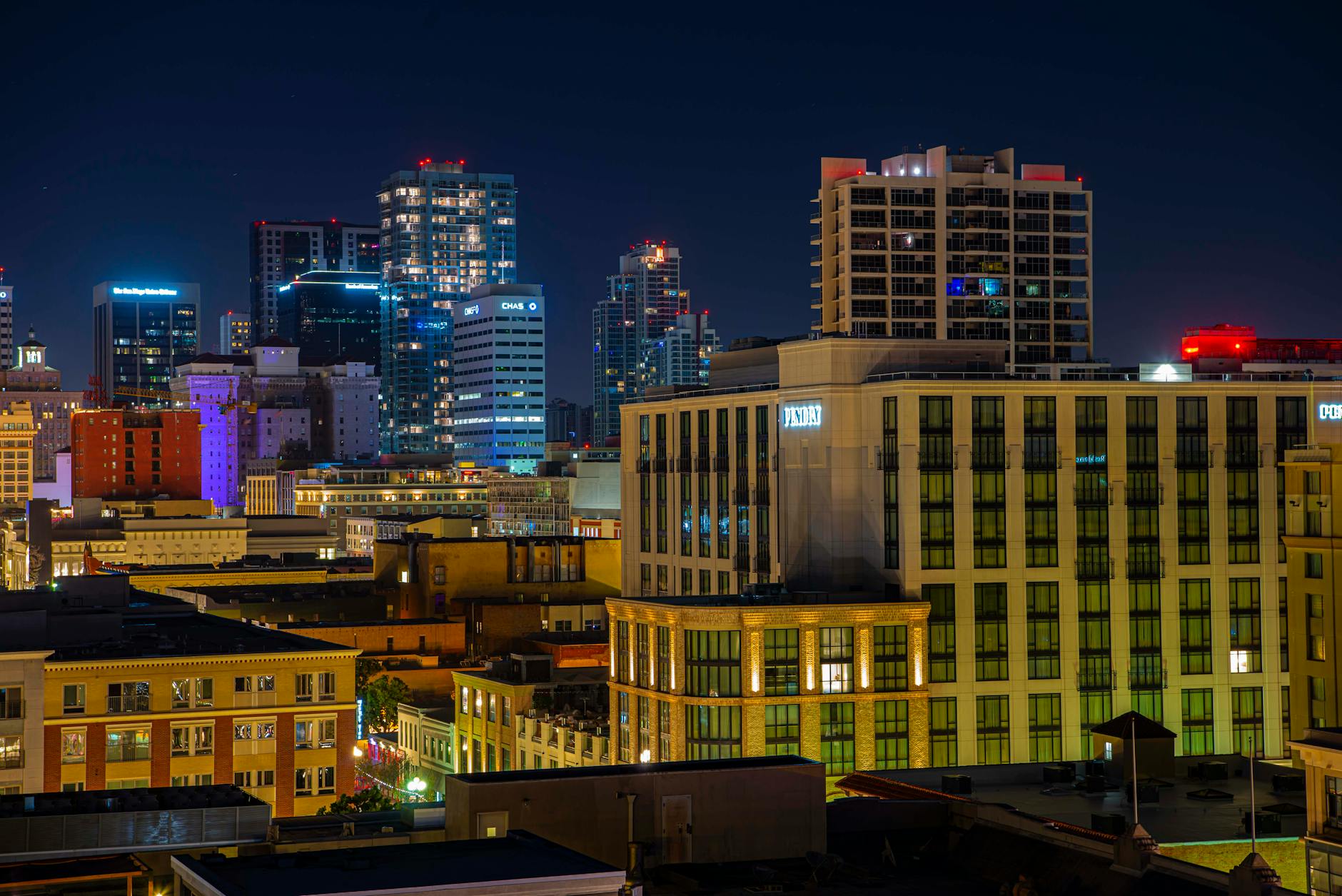
The commercial real estate landscape that emerges from this transformation will look fundamentally different from the pre-pandemic era. Successful property owners and investors will be those who embrace flexibility, prioritize tenant experience, and remain adaptable to changing workplace preferences.
The shift toward distributed work models appears permanent rather than temporary, suggesting that commercial real estate markets must continue evolving to serve a fundamentally different economic structure. Properties that provide value beyond simple square footage – through location, amenities, flexibility, and technology integration – will likely outperform in this new environment. The winners will be those who recognize that the future of commercial real estate lies not in returning to the past, but in creating spaces that serve the evolving needs of a distributed workforce.
Frequently Asked Questions
How are office vacancy rates affected by remote work?
Major cities report office vacancy rates exceeding 20%, with some areas approaching 30% as companies downsize or eliminate physical offices entirely.
What are property owners doing with empty office buildings?
Many are converting offices to residential units, creating mixed-use developments, or offering flexible spaces that blend office and event uses.