





Pet owners spent over $261 billion on their furry companions in 2022, making veterinary care one of the fastest-growing household expenses. Now, innovative companies are reimagining Flexible Spending Accounts to help employees manage these rising costs through pre-tax benefits.
Traditional FSAs have long covered human healthcare expenses, but forward-thinking employers are expanding these accounts to include pet care. This shift reflects changing workplace priorities as millennials and Gen Z workers increasingly view pets as family members deserving quality medical attention.
The movement started with tech companies and startups seeking competitive benefits packages. Companies like Rover, Chewy, and various veterinary service providers now offer pet-focused FSA options to their employees. The trend is spreading across industries as employers recognize pet ownership’s impact on worker satisfaction and retention.
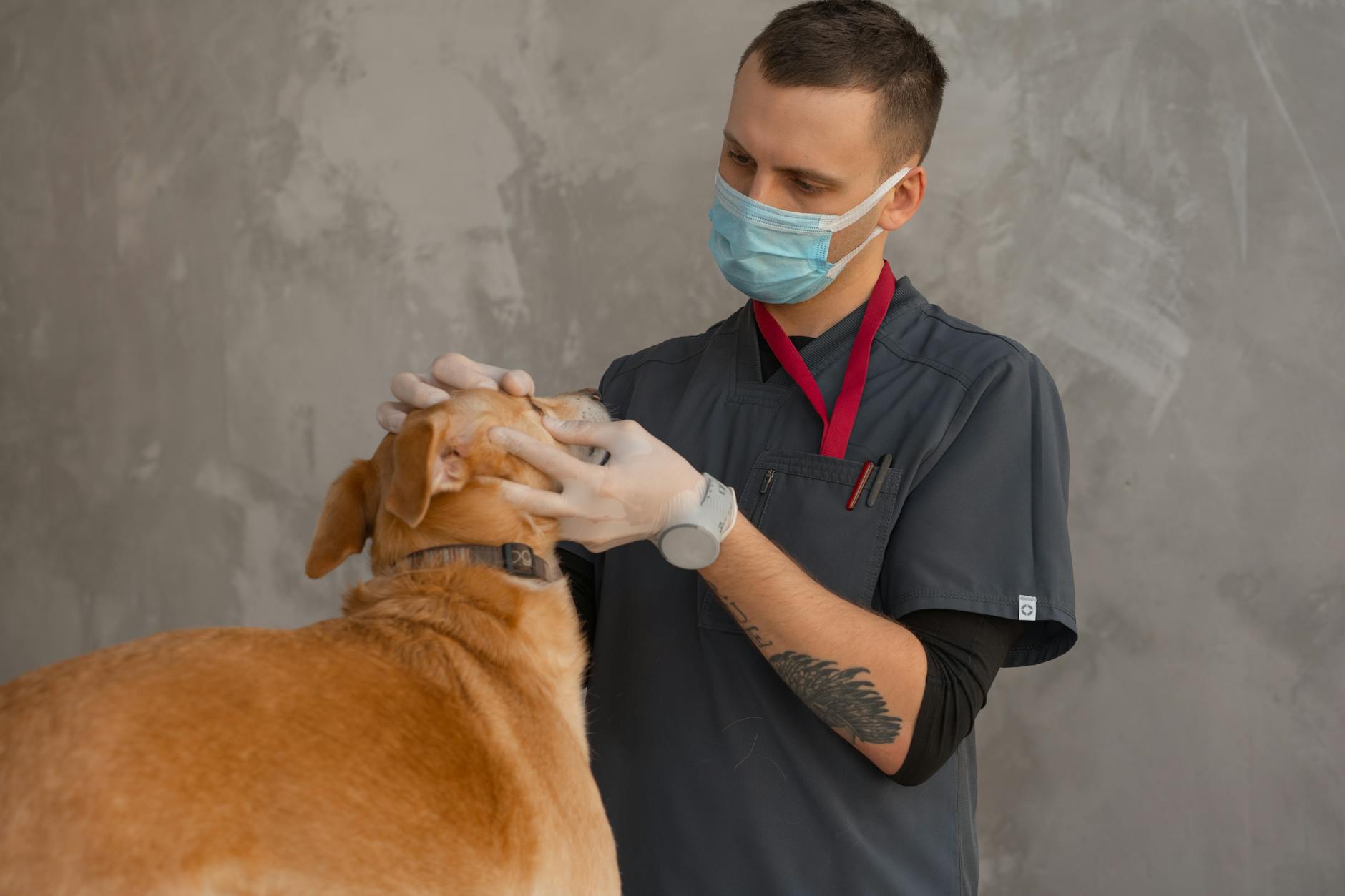
How Pet Care FSAs Actually Work
Pet care FSAs operate similarly to traditional health savings accounts but cover veterinary expenses instead of human medical costs. Employees can allocate pre-tax dollars specifically for pet healthcare, reducing their taxable income while building a fund for veterinary emergencies.
These accounts typically cover routine veterinary visits, vaccinations, dental cleanings, prescription medications, and emergency treatments. Some plans extend coverage to pet insurance premiums, grooming services, and even boarding costs during medical procedures. The specific coverage varies by employer and plan administrator.
Unlike traditional FSAs with strict “use it or lose it” policies, many pet care FSAs offer more flexible rollover options. Some allow unused funds to carry forward into the following year, while others provide grace periods for spending remaining balances. This flexibility addresses the unpredictable nature of veterinary expenses.
Contribution limits for pet care FSAs generally range from $500 to $2,500 annually, though some employers offer higher limits. The tax savings can be substantial: an employee in the 22% tax bracket who contributes $1,500 annually saves approximately $330 in taxes while building a dedicated pet care fund.
Rising Veterinary Costs Drive Demand
Veterinary costs have increased dramatically over the past decade, driving demand for innovative funding solutions. Advanced medical procedures once reserved for humans now routinely help pets, but these treatments carry premium price tags. MRI scans, cancer treatments, and orthopedic surgeries can easily cost thousands of dollars.
Pet insurance adoption remains relatively low in the United States compared to countries like Sweden and the United Kingdom. Only about 4% of American pets have insurance coverage, leaving most owners to pay veterinary bills out of pocket. This gap creates significant financial stress when pets require expensive treatments.
Emergency veterinary visits represent a particular challenge for pet owners. Unlike human emergency rooms, veterinary emergency clinics often require payment upfront before providing treatment. A single emergency visit can cost $1,000 to $5,000, creating immediate financial pressure for unprepared families.
The financial strain affects pet healthcare decisions. Studies show that cost considerations influence treatment choices for over 70% of pet owners. Some delay necessary care or choose less expensive treatment options due to budget constraints. Pet care FSAs address this issue by providing dedicated funds specifically for veterinary expenses.

Employer Benefits and Implementation Strategies
Forward-thinking employers are discovering that pet benefits significantly impact recruitment and retention. Companies offering pet care FSAs report higher employee satisfaction scores and reduced turnover rates. The benefits particularly resonate with younger workers who prioritize work-life balance and comprehensive benefit packages.
Implementation requires partnerships with specialized FSA administrators who understand veterinary billing practices. Traditional healthcare FSA providers often lack experience with veterinary claims processing, making specialized administrators essential for smooth operations. These providers typically charge modest administrative fees while handling claim verification and reimbursement processing.
Some companies combine pet care FSAs with other animal-friendly benefits. Pet-friendly workplaces, dog daycare subsidies, and pet bereavement leave create comprehensive benefit packages that appeal to pet-owning employees. These combined offerings differentiate employers in competitive job markets.
The administrative burden remains relatively low compared to traditional healthcare benefits. Pet care FSAs typically generate fewer complex claims and require less regulatory compliance than human health benefits. This simplicity makes them attractive options for smaller employers seeking impactful benefits without significant administrative overhead.
Several companies have reported measurable returns on investment from pet benefits programs. Reduced absenteeism, improved employee morale, and enhanced recruitment success offset program costs. Some employers find that pet benefits generate more positive employee feedback than traditional benefit enhancements costing significantly more.
Regulatory Landscape and Future Expansion
The regulatory environment for pet care FSAs remains relatively straightforward compared to human healthcare benefits. These accounts don’t fall under ERISA regulations or face the complex compliance requirements of traditional health benefits. However, employers must still ensure proper tax treatment and documentation of eligible expenses.
IRS guidance on pet care FSAs continues evolving as more companies implement these programs. Current regulations allow pre-tax treatment of veterinary expenses through employer-sponsored programs, but specific rules vary by plan structure. Employers typically work with tax advisors to ensure compliance with federal and state regulations.
State-level initiatives are beginning to recognize pets’ important role in family financial planning. Some states have introduced legislation supporting pet care benefits, while others explore tax incentives for pet-related expenses. These developments suggest growing governmental recognition of pets’ financial impact on households.
The expansion mirrors broader trends in financial benefits, similar to how 529 plans are expanding beyond traditional education expenses. Just as education savings accounts now cover broader learning costs, pet care FSAs reflect evolving definitions of essential family expenses.
Industry experts predict significant growth in pet care benefits over the next five years. As veterinary costs continue rising and pet ownership increases, more employers will likely adopt these programs. The trend aligns with broader movements toward personalized, lifestyle-focused employee benefits that address workers’ actual needs rather than one-size-fits-all solutions.

Pet care FSAs represent a practical response to changing household priorities and rising veterinary costs. As more employers recognize pets’ role in employee well-being and financial planning, these innovative benefits will likely become standard offerings rather than competitive differentiators. The intersection of pet ownership, financial wellness, and employee benefits creates opportunities for creative solutions that benefit both workers and their beloved companions.
Frequently Asked Questions
Can I use an FSA for my pet’s veterinary bills?
Some employers now offer pet care FSAs that allow pre-tax dollars for veterinary expenses, though coverage varies by plan.
What pet expenses are typically covered by pet care FSAs?
Most plans cover veterinary visits, vaccinations, medications, and emergency treatments, with some including pet insurance premiums.