





Corporate America is discovering that employee wellness isn’t just good for morale-it’s becoming a major revenue driver for an unexpected industry. Medical equipment leasing companies are experiencing unprecedented growth as businesses across sectors scramble to outfit their offices with everything from defibrillators to advanced fitness monitoring systems.
The shift represents a fundamental change in how companies view workplace safety and employee health. What once meant a basic first aid kit and maybe an annual health fair has evolved into comprehensive wellness ecosystems that require sophisticated medical equipment. This transformation is creating opportunities worth billions for leasing companies that can provide flexible, scalable solutions for corporate wellness programs.

From Basic Safety to Comprehensive Health Monitoring
The evolution began with regulatory compliance but has expanded far beyond OSHA requirements. Companies like Google, Microsoft, and Johnson & Johnson have pioneered on-site health centers that rival small medical clinics. These facilities require diagnostic equipment, monitoring devices, and emergency response tools that most companies prefer to lease rather than purchase outright.
Medical equipment leasing offers corporations several advantages over direct purchases. The technology updates frequently, maintenance is typically included, and the financial flexibility allows companies to adjust their wellness programs based on employee needs and budget constraints. For a company installing cardiac monitoring equipment in multiple locations, leasing can reduce upfront costs by 60-70% compared to purchasing.
The trend has accelerated as employees increasingly expect comprehensive wellness benefits. A 2023 survey by the Society for Human Resource Management found that 88% of employees consider workplace wellness programs when evaluating job offers. This employee demand is driving companies to invest in more sophisticated medical equipment, from body composition analyzers to stress monitoring systems.
Technology Integration Fuels Equipment Demand
Modern corporate wellness programs rely heavily on technology integration, creating demand for connected medical devices that can sync with employee health apps and corporate wellness platforms. Biometric screening equipment, advanced blood pressure monitors, and digital health assessment tools are becoming standard in larger corporate offices.
The integration extends to emergency preparedness as well. Automated external defibrillators (AEDs) with cellular connectivity can now alert emergency services automatically and provide real-time guidance to untrained users. These smart devices typically cost $3,000-$5,000 to purchase but can be leased for $100-150 monthly, making them accessible to smaller businesses.
Remote work trends have also influenced equipment needs. As companies adopt hybrid work models, they’re establishing wellness facilities in multiple locations rather than concentrating everything at headquarters. This distributed approach makes leasing even more attractive, as companies can standardize equipment across locations without massive capital expenditures.
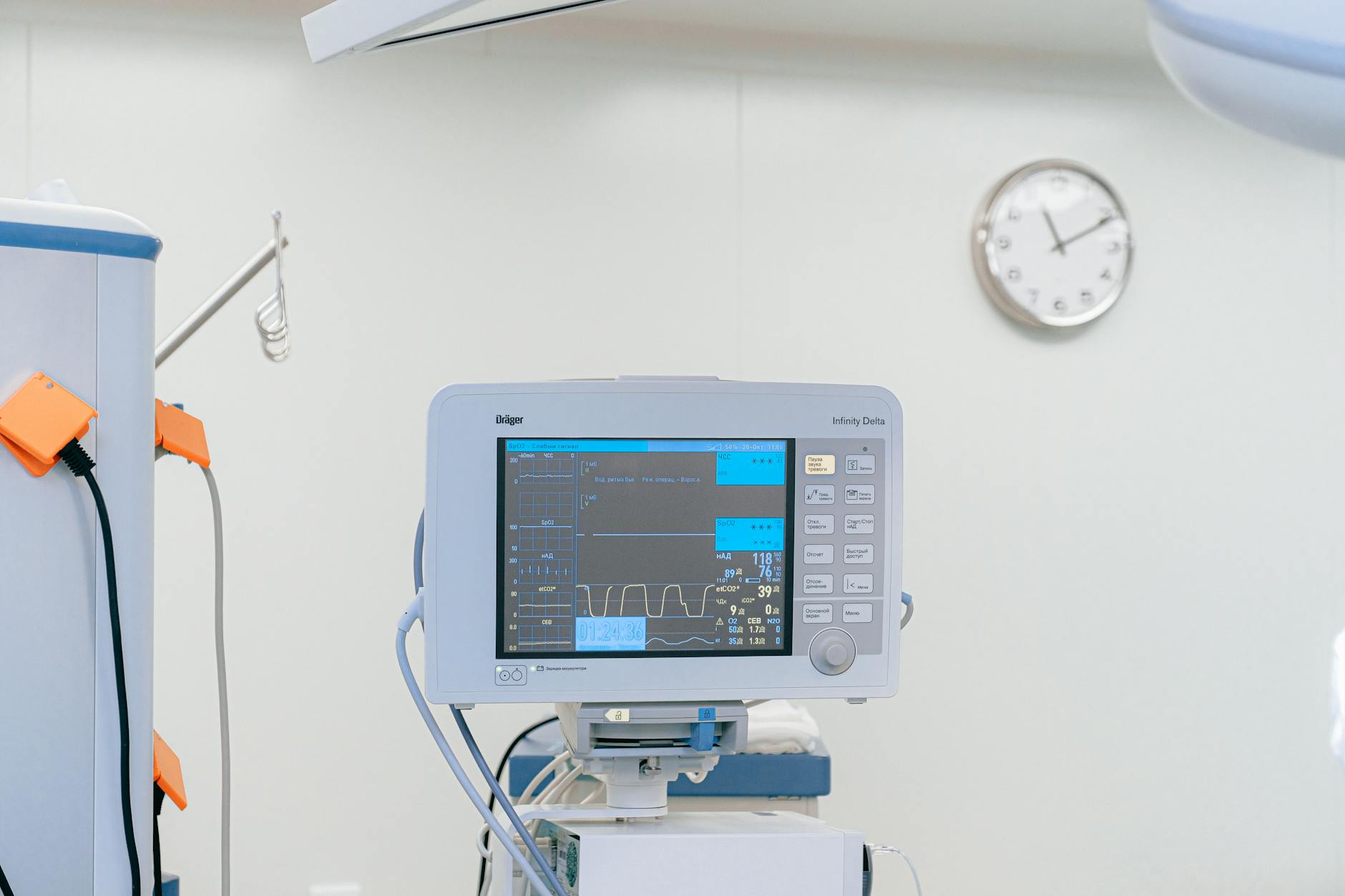
Insurance Partnerships Drive Adoption
Insurance companies are becoming key players in this growth story, partnering with employers to subsidize wellness equipment leasing. Major insurers like Aetna and Cigna now offer programs that cover portion of leasing costs for companies that demonstrate measurable health improvements among employees.
These partnerships create win-win scenarios: insurance companies reduce long-term healthcare costs through preventive care, while employers access expensive medical equipment at reduced rates. Some programs cover up to 50% of leasing costs for equipment like advanced body composition analyzers, metabolic testing devices, and cardiovascular screening tools.
The data generated by this equipment provides valuable insights for both employers and insurers. Companies can identify health trends among their workforce and adjust benefits accordingly, while insurers gain access to population health data that helps them better price policies and predict future claims.
Specialized Leasing Programs Emerge
Equipment leasing companies have developed specialized programs targeting corporate wellness markets. These programs typically include installation, training, maintenance, and regular equipment updates. Some providers offer “wellness-as-a-service” models where they manage entire on-site health programs, not just equipment leasing.
The flexibility extends to seasonal adjustments as well. Companies can lease additional equipment during flu season or scale up fitness monitoring during corporate wellness challenges. This adaptability has made leasing the preferred option for 78% of companies implementing new wellness programs, according to industry data.
Economic Impact and Future Projections
The medical equipment leasing industry has grown 12% annually over the past three years, with corporate wellness programs representing the fastest-growing segment. Equipment manufacturers are responding by designing products specifically for corporate environments, featuring user-friendly interfaces, enhanced safety features, and simplified maintenance requirements.
This growth aligns with broader workplace trends, including the shift toward more flexible work arrangements. Just as remote work is driving demand for coworking space memberships, distributed workforces are creating demand for distributed wellness infrastructure.
The economic benefits extend beyond equipment providers. Companies report reduced healthcare costs, lower absenteeism, and improved employee retention when implementing comprehensive wellness programs. These measurable returns are driving continued investment in sophisticated medical equipment, creating a sustainable growth cycle for the leasing industry.

Small and medium-sized businesses represent the next frontier for growth. As leasing costs decrease and programs become more standardized, companies with 50-500 employees are beginning to implement wellness programs that were previously feasible only for large corporations. This market expansion could double the current addressable market over the next five years.
The intersection of workplace wellness, insurance incentives, and flexible leasing models has created a perfect storm for growth in medical equipment leasing. As employee expectations continue to evolve and healthcare costs rise, corporations are finding that investing in employee wellness isn’t just the right thing to do-it’s becoming a business imperative that drives measurable returns through reduced insurance premiums, improved productivity, and enhanced talent retention.
Frequently Asked Questions
Why do companies lease medical equipment instead of buying it?
Leasing reduces upfront costs by 60-70%, includes maintenance, and allows companies to upgrade equipment as technology advances.
What types of medical equipment are companies leasing for wellness programs?
Popular items include AEDs, biometric screening equipment, blood pressure monitors, body composition analyzers, and cardiovascular testing devices.