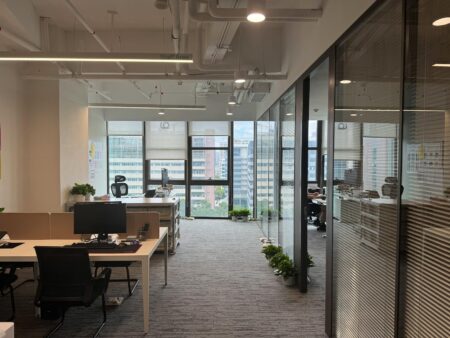





Major corporations are quietly slashing their real estate portfolios as four-day work weeks gain momentum across industries. What started as pandemic-era experimentation has evolved into permanent policy for hundreds of companies worldwide, creating ripple effects that commercial property owners can no longer ignore.
Belgium became the first European Union country to grant employees the legal right to request a four-day work week in 2022, while Iceland’s nationwide trials showed productivity gains alongside employee satisfaction. Tech giants like Buffer and Kickstarter have made permanent shifts, joined by traditional industries from manufacturing to finance. The result? Office spaces sitting empty one-fifth of the time, forcing finance teams to reconsider expensive lease agreements.

The Real Estate Math Behind Shorter Work Weeks
Companies operating four-day schedules report office utilization rates dropping 20-30% compared to traditional five-day models. This shift creates immediate opportunities for cost reduction through strategic real estate downsizing.
Thrive Global, Arianna Huffington’s wellness company, reduced their Manhattan office footprint by 40% after implementing a four-day week structure. The company maintained the same number of employees while cutting annual rent expenses significantly. Similar patterns emerge across industries as organizations discover they can maintain productivity with less physical space.
Real estate consultancy JLL reports that companies with hybrid and shortened work schedules are increasingly negotiating flexible lease terms or subleasing portions of their existing space. The traditional model of assigning individual desks to every employee has given way to hot-desking systems and shared workstations designed around peak occupancy rather than total headcount.
Financial services firms, traditionally conservative about workplace changes, are joining the movement. Several credit unions and regional banks have adopted four-day schedules while consolidating branch locations and reducing administrative office space. The cost savings often exceed initial projections as utilities, maintenance, and security expenses decrease alongside rent obligations.
Technology and Space Optimization Strategies
Smart building technologies are helping companies maximize their reduced office footprints. Occupancy sensors, booking systems for conference rooms, and AI-powered space management tools ensure efficient use of available square footage during concentrated work days.
Companies are redesigning office layouts to accommodate higher density during operational days while maintaining comfort and productivity. Open collaboration areas replace traditional cubicle farms, while private phone booths and focus rooms handle tasks requiring concentration. The design philosophy shifts from individual ownership of space to shared resources optimized for actual usage patterns.
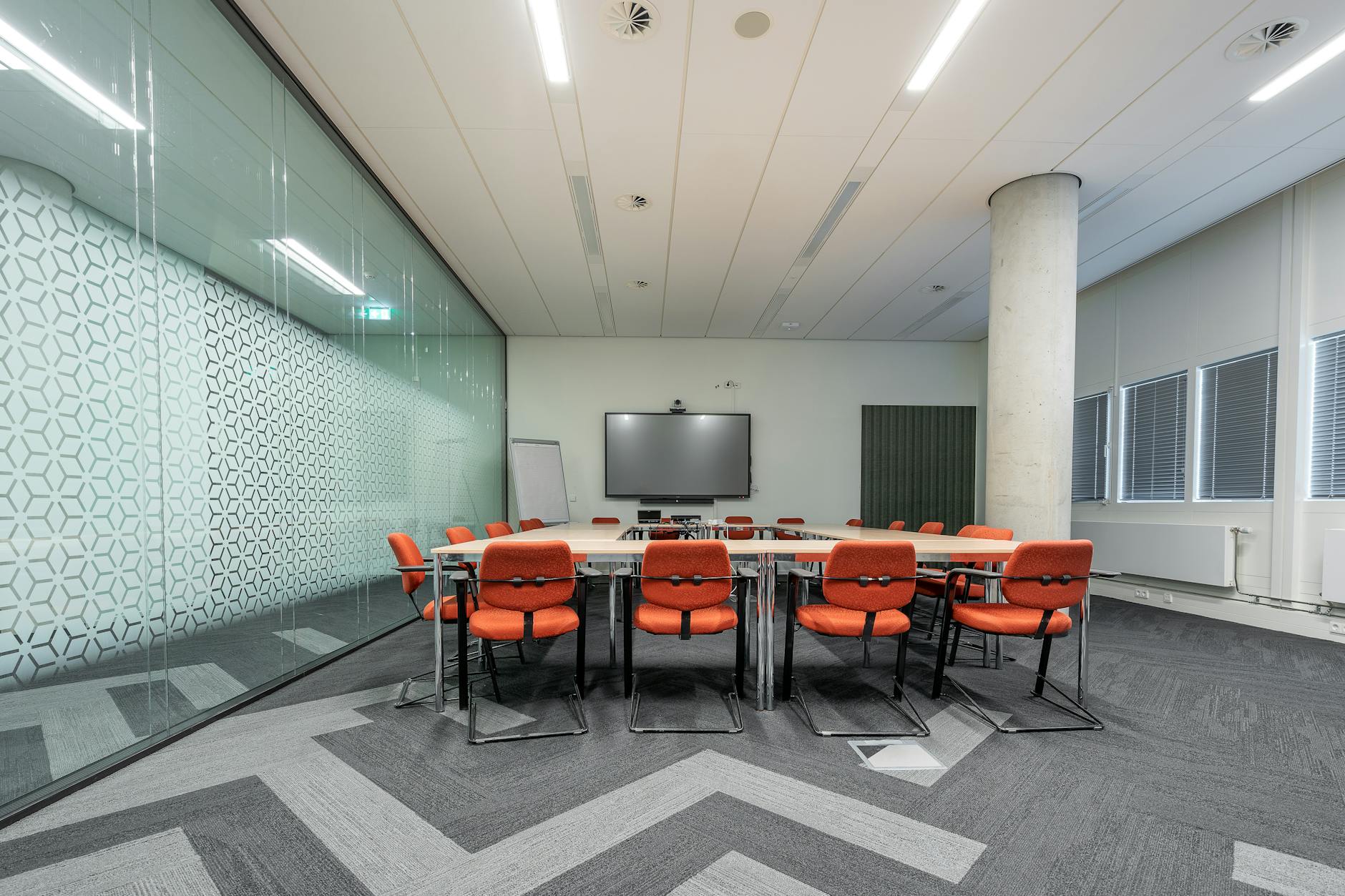
Some organizations are experimenting with even more dramatic changes. A growing number of companies are eliminating permanent offices entirely, instead contracting with co-working spaces or renting meeting rooms as needed. This approach works particularly well for service-based businesses where face-to-face client meetings are infrequent.
The technology sector leads in creative space solutions. Software companies are sharing office buildings with complementary businesses, splitting costs while maintaining professional environments for client meetings and team collaboration sessions. Others have converted former conference rooms into revenue-generating spaces, subletting to local businesses during off-days.
Impact on Commercial Real Estate Markets
The four-day work week trend is accelerating changes already underway in commercial real estate markets. Landlords are adapting by offering more flexible lease terms, including provisions for companies to expand or contract space based on evolving work patterns.
Some property owners are converting traditional office buildings into mixed-use developments, incorporating residential units, retail spaces, and flexible work areas. This diversification helps offset declining demand from traditional five-day office tenants while creating new revenue streams.
Regional markets are seeing varied impacts. Urban centers with high commercial rents are experiencing more dramatic shifts as companies relocate to suburban locations with lower costs and better parking. Meanwhile, secondary cities are attracting businesses seeking affordable alternatives to expensive metropolitan office space.
The relationship between corporate return-to-office mandates and commercial real estate values creates an interesting counterpoint to four-day week trends. While some companies are pulling employees back to full-time office presence, others are moving in the opposite direction, reducing both days and space requirements.
Property management companies are responding with innovative service offerings. Some provide flexible furniture packages, allowing tenants to reconfigure spaces quickly as needs change. Others offer shared amenities across multiple floors or buildings, reducing individual tenant costs while maintaining professional standards.
Financial Benefits Beyond Rent Reduction
The cost savings from four-day work weeks extend far beyond reduced rent payments. Companies report significant decreases in utility bills, office supplies, cleaning services, and facility maintenance costs. Security expenses often drop as buildings require fewer operational days of full coverage.
Employee-related costs also decline in unexpected ways. Companies with four-day schedules often see reduced absenteeism and lower turnover rates, cutting recruitment and training expenses. Health insurance claims sometimes decrease as employees report less work-related stress and better work-life balance.
Some organizations are redirecting real estate savings toward employee benefits and retention programs. Enhanced benefit packages help companies compete for talent while maintaining overall cost structures similar to traditional five-day operations with higher real estate expenses.

Tax implications also favor companies reducing their physical footprint. Lower property tax assessments, reduced business personal property taxes on office equipment, and potential credits for sustainable business practices can add thousands in annual savings for mid-size companies.
The four-day work week movement represents more than a temporary pandemic response – it signals a fundamental shift in how companies think about productivity, employee satisfaction, and operational efficiency. As more organizations report positive results from shortened schedules, the pressure on commercial real estate markets will likely intensify.
Forward-thinking property owners are already adapting their portfolios for this new reality, while companies are discovering that less office space doesn’t necessarily mean less business success. The intersection of changing work patterns and real estate economics is creating opportunities for organizations willing to challenge traditional assumptions about where and when productive work happens.
Frequently Asked Questions
How much office space do companies save with four-day work weeks?
Companies typically reduce office utilization by 20-30%, allowing them to downsize their real estate footprint by similar percentages.
Are four-day work weeks becoming permanent for most companies?
Many companies that trialed four-day schedules during the pandemic have made them permanent policies, with the trend growing across multiple industries.