




Fast casual restaurant chains are watching their profit margins shrink as labor costs surge across the industry. Major players like Chipotle, Panera Bread, and Sweetgreen are grappling with wage increases that have outpaced menu price adjustments, creating a challenging balancing act between maintaining profitability and staying competitive in an increasingly crowded market.
The pressure is particularly acute for chains that built their business models around efficient operations and moderate pricing. Unlike fine dining establishments that can more easily pass costs to customers, fast casual brands must carefully navigate price increases to avoid alienating their core customer base of price-conscious diners seeking quality food at reasonable prices.
Wage Inflation Outpaces Revenue Growth
Labor costs have jumped dramatically across the fast casual sector, with many chains reporting increases of 15-20% year-over-year. This surge stems from multiple factors: state minimum wage increases, competitive hiring markets, and the ongoing effects of pandemic-era labor shortages that forced restaurants to offer higher wages and enhanced benefits to attract workers.
Chipotle Mexican Grill, one of the industry’s bellwethers, has implemented multiple wage increases over the past two years. The chain’s labor costs now represent approximately 27% of total revenue, up from 24% pre-pandemic. This shift has compressed operating margins despite the company’s efforts to optimize scheduling and improve operational efficiency.
Smaller chains face even steeper challenges. Sweetgreen, which went public in 2021, has seen labor costs consume nearly 30% of revenue as it expands rapidly while competing for talent in major metropolitan markets where wages are particularly high. The company’s focus on sustainable sourcing and made-to-order preparation requires skilled kitchen staff, limiting opportunities for automation that might offset wage pressures.
The situation is compounded by increased competition for workers from other service sectors. Retail chains, logistics companies, and even tech companies have raised starting wages, creating a more competitive labor market that forces restaurants to match or exceed these offers to maintain adequate staffing levels.
Menu Price Strategy Becomes Critical
Fast casual chains are walking a tightrope with menu pricing, implementing increases that preserve margins without driving away customers. Most major chains have raised prices multiple times since 2022, but these increases haven’t fully offset rising labor costs.
Panera Bread has taken a measured approach, implementing price increases of 8-12% across different menu categories over the past 18 months. The chain has focused on maintaining value perception by enhancing portion sizes and introducing premium ingredients to justify higher prices. Their strategy includes promoting higher-margin items like specialty drinks and bakery products to improve overall transaction values.
Shake Shack has experimented with dynamic pricing models, adjusting prices based on location, time of day, and local market conditions. This approach allows the chain to optimize revenue in high-demand areas while maintaining competitive pricing in more price-sensitive markets. The strategy has shown promise but requires sophisticated technology infrastructure and careful monitoring to avoid customer backlash.
Regional chains like Noodles & Company have focused on menu engineering, restructuring offerings to highlight items with better profit margins while de-emphasizing low-margin products. This approach requires extensive testing to ensure customer satisfaction doesn’t suffer as favorite items become less prominent or disappear entirely.
The challenge extends beyond simple price increases. Chains must consider the psychological impact of pricing changes, particularly at key price points like $10 or $15 where small increases can push customers into higher perceived price categories. This phenomenon has led some brands to absorb cost increases rather than cross these thresholds, further pressuring margins.
Operational Efficiency and Technology Solutions
To combat rising labor costs, fast casual chains are investing heavily in technology and operational improvements. Kitchen automation, mobile ordering systems, and AI-powered scheduling tools are becoming standard across the industry as brands seek to maintain service levels with fewer employees.
Qdoba has implemented automated prep systems that reduce kitchen labor requirements by approximately 20%. These systems handle repetitive tasks like chopping vegetables and portioning ingredients, allowing human workers to focus on customer service and food assembly. The technology requires significant upfront investment but promises long-term labor savings.
Mobile ordering and app-based systems have become crucial for managing labor costs during peak periods. By shifting ordering online, chains can better predict demand and optimize staffing levels. Chipotle reports that digital orders now account for over 35% of total sales, enabling more efficient operations and reducing the need for front-of-house staff during busy periods.
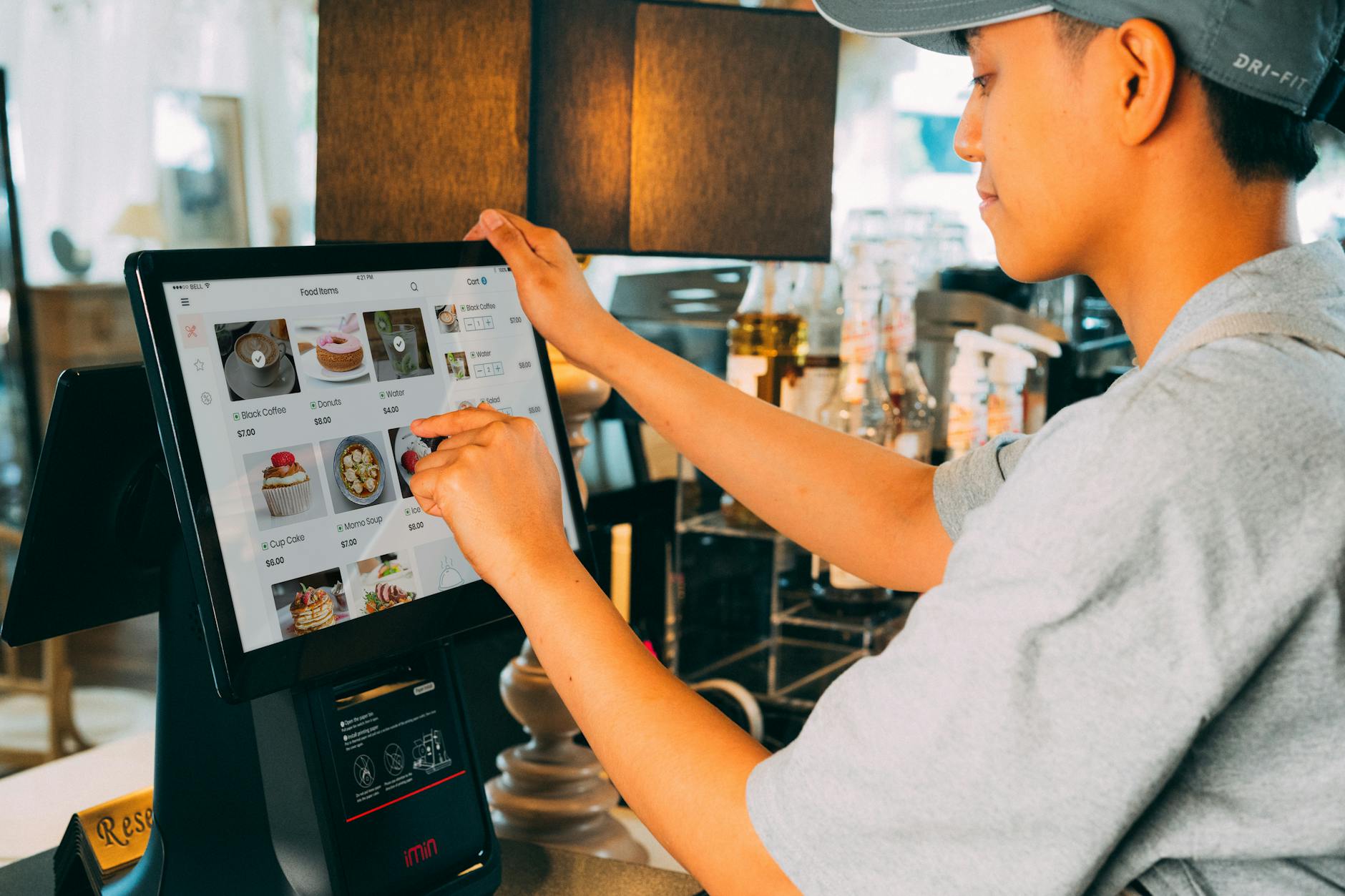
Self-service kiosks represent another avenue for labor cost management, though implementation varies by brand. Some chains embrace full self-service models, while others use kiosks to supplement rather than replace human workers, maintaining the personal touch that differentiates fast casual from quick-service restaurants.
Like other industries facing similar pressures – streaming music platforms dealing with artist royalty increases – restaurants must balance cost management with maintaining quality and customer satisfaction.
Market Consolidation and Investment Strategies
The margin pressure is accelerating consolidation within the fast casual space as smaller chains struggle to compete with better-capitalized rivals. Private equity firms and larger restaurant groups are acquiring struggling brands, betting they can achieve economies of scale that improve profitability.

Larger chains with multiple revenue streams are better positioned to weather the current environment. Companies like Yum! Brands, which operates multiple fast casual and quick-service concepts, can spread fixed costs across different brands and leverage purchasing power to negotiate better deals with suppliers and technology vendors.
Investment in real estate strategy has become increasingly important as labor costs vary significantly by location. Chains are reassessing their footprint, potentially closing locations in high-wage markets while expanding in areas with lower labor costs and strong growth prospects. This geographic arbitrage requires careful analysis of local market conditions and customer demographics.
The industry is also seeing increased interest from institutional investors who view the current challenges as temporary. Private equity groups are particularly active, believing that well-managed chains can emerge from this period stronger and more efficient. However, these investments often come with pressure to achieve rapid profitability improvements, which can conflict with long-term brand building.
Looking ahead, the fast casual restaurant sector will likely see continued consolidation as only the most efficient operators survive the current margin squeeze. Successful chains will be those that can effectively balance technology investment, operational efficiency, and strategic pricing while maintaining the quality and service standards that attracted customers in the first place. The next 18 months will be crucial in determining which brands emerge as long-term winners in this challenging environment.
Frequently Asked Questions
Why are fast casual restaurant margins under pressure?
Labor costs have increased 15-20% year-over-year while menu price increases haven’t fully offset these rising expenses, compressing profit margins.
How are chains responding to rising labor costs?
Restaurants are implementing technology solutions, operational efficiency improvements, strategic menu pricing, and investing in automation to reduce labor dependency.