





When Food Prices Rise, the Land Underneath the Food Wins
Food inflation does not hurt everyone equally. While grocery shoppers absorb higher prices at checkout and food companies scramble to protect margins, farmland investors collect rent checks tied directly to the crops causing all the trouble. Farmland REITs – publicly traded vehicles that own agricultural land and lease it to farmers – have been drawing quiet attention from income-focused investors who noticed the math works unusually well when commodity prices climb.
How Farmland REITs Actually Make Money
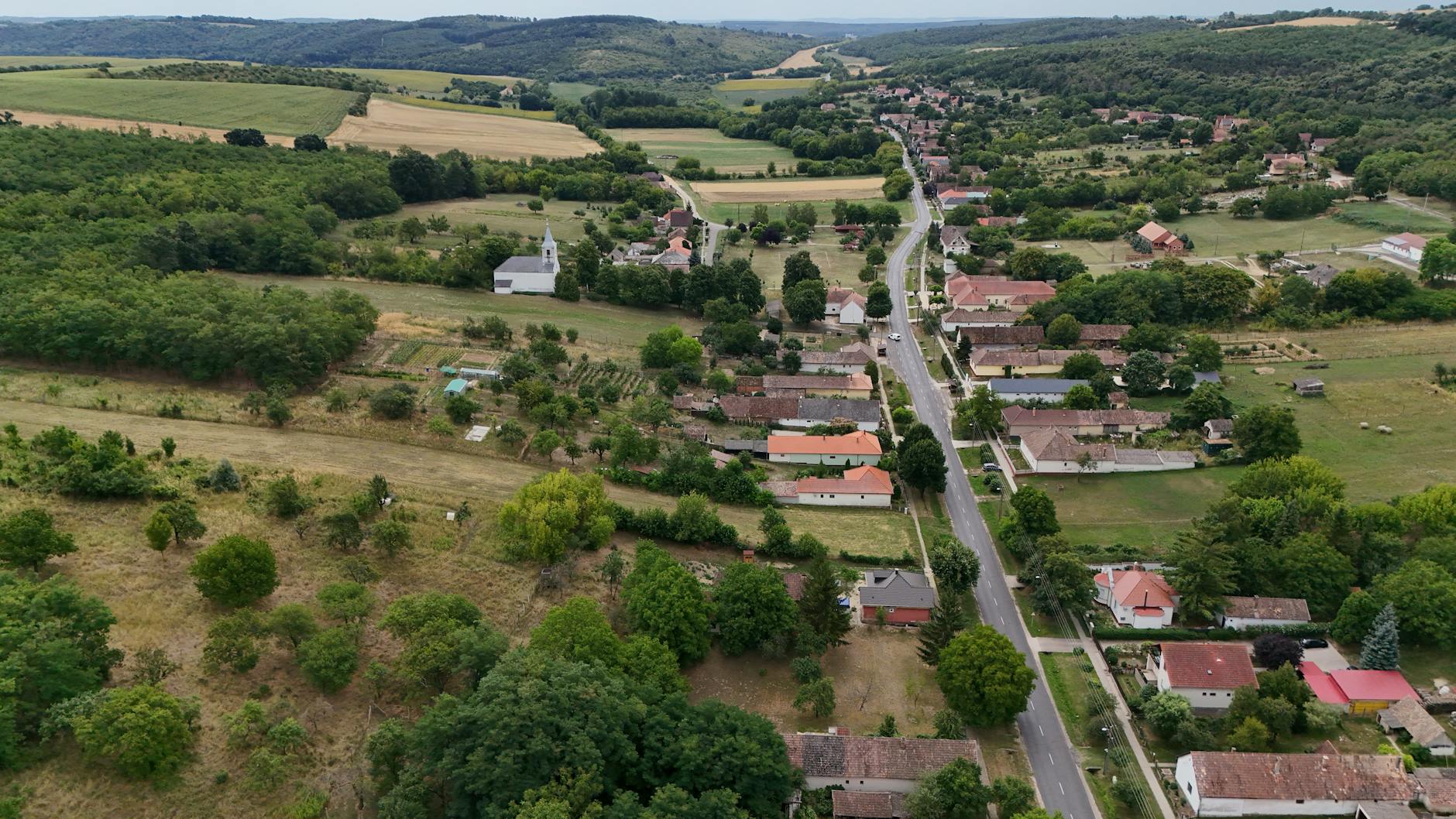
The business model is straightforward in a way that most real estate investments are not. A farmland REIT acquires acres of productive agricultural land, then leases that land to farmers under multi-year agreements. The REIT collects rent, passes the majority of income to shareholders as dividends, and holds an underlying asset – the land itself – that has historically appreciated over time. Unlike office buildings or retail centers, farmland does not go dark when tenants struggle. Food demand is non-negotiable.
Lease structures vary, but two formats dominate the industry. Fixed cash leases guarantee a set payment per acre regardless of crop prices, giving the REIT predictable income. Flex leases or profit-sharing arrangements, on the other hand, adjust payments upward when commodity prices rise above certain thresholds. During periods of food inflation, that second structure acts like a performance bonus built directly into the contract. The REIT effectively participates in the same price surge driving grocery bills higher.
The publicly traded farmland REIT space is small but growing. Gladstone Land and Farmland Partners are the two primary names that give retail investors direct exposure to this asset class without purchasing physical acreage. Both hold diversified portfolios across multiple crop types and geographies, which matters because a drought devastating corn yields in one region does not necessarily touch berry farms on the West Coast or row crops in the Southeast. Geographic diversification is the built-in insurance policy.
Land values add another layer. Agricultural land in the United States has appreciated at a compound rate that has historically outpaced inflation over long periods. When food prices rise, the productive capacity of the land generating those crops becomes more financially valuable, which puts upward pressure on land prices. REITs that own the land – rather than just financing it – capture that appreciation on the balance sheet, creating total return potential that dividend yield alone does not fully describe.
Why the Inflation Connection Is Tighter Than It Looks
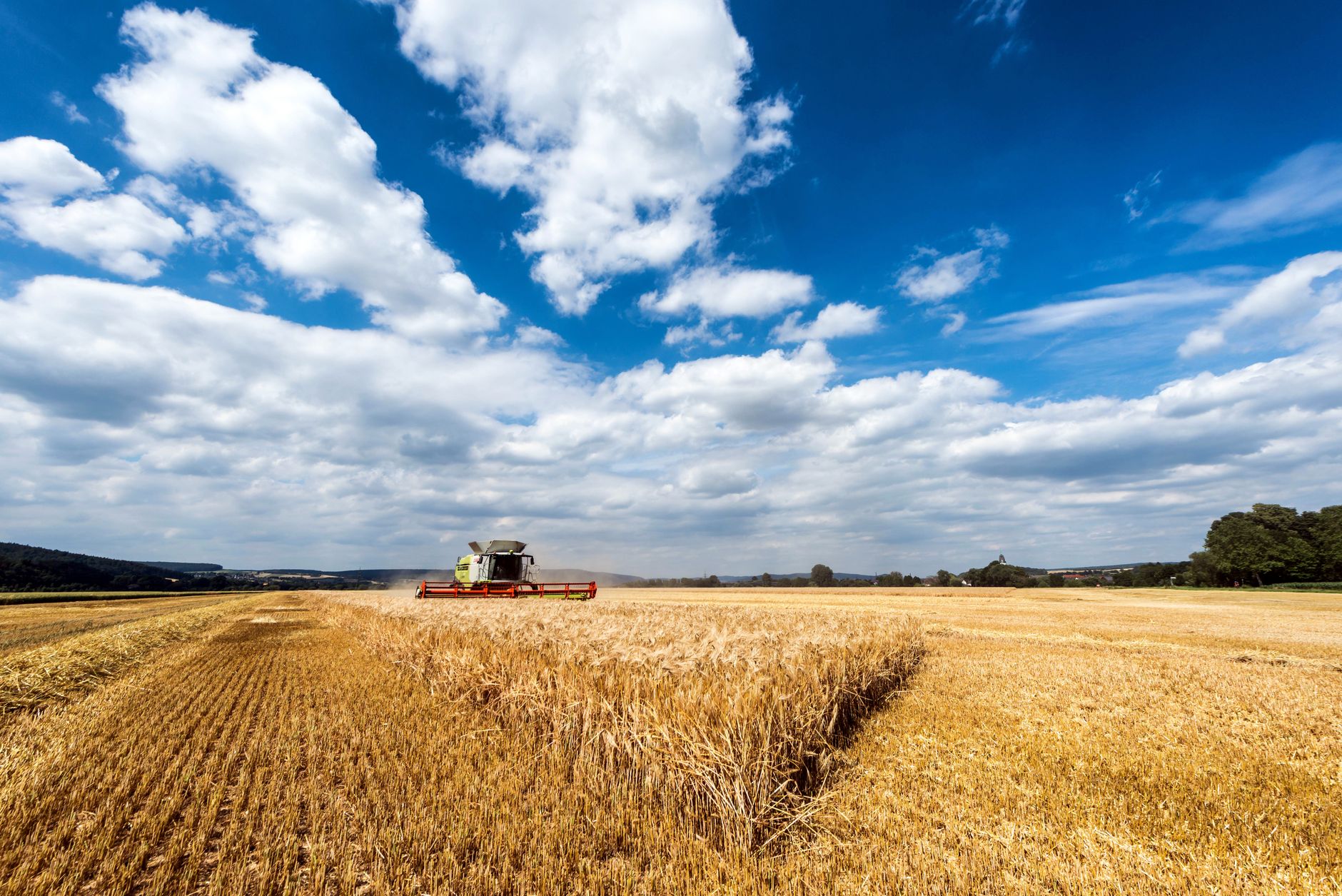
Most inflation hedges work indirectly. Treasury Inflation-Protected Securities adjust based on a consumer price index calculation. Gold holds value because people believe it will. Farmland REITs, by contrast, sit at the source of food inflation rather than downstream from it. When wheat prices spike, wheat farmers generating higher revenue can support higher lease rates at renewal. When corn demand pushes prices up, the acres producing that corn become more contested at auction. The hedge is mechanical, not theoretical.
Commodity price increases tend to show up in farmland rents with a lag of one to three years, depending on lease term length. This lag actually benefits long-term investors because it smooths the income curve. A sharp one-year spike in grain prices might not immediately inflate a fixed lease that runs two more years, but when that lease renews, the new rate reflects the sustained higher price environment. Farmland REITs are not trying to time commodity cycles – they are structured to absorb them gradually and lock in gains over successive renewal periods.
Water access is increasingly embedded in farmland valuations as well. Acreage with senior water rights or reliable aquifer access commands significant premiums over dryland farms that depend on rainfall alone. REITs with heavy California or Pacific Northwest exposure – where water scarcity is already reshaping agricultural economics – face different risk profiles than those concentrated in the Midwest, where water availability is generally more stable. How a REIT manages water exposure tells investors almost as much as its crop mix.
Correlation data matters here too. Farmland as an asset class has shown historically low correlation with equities and bonds, which means it does not necessarily fall when a stock market correction hits. During inflationary periods specifically, when both equities and fixed income can struggle simultaneously, uncorrelated assets with real income streams become rare finds. A farmland REIT paying a dividend backed by crop rents while sitting on appreciating land offers a combination that most corners of the investable universe cannot replicate.
The one structural risk worth acknowledging is tenant concentration. Smaller farmland REITs with fewer properties can be materially exposed if a significant tenant defaults or a major crop growing region suffers consecutive bad seasons. Unlike a sprawling apartment REIT where one vacant unit barely registers, a farmland portfolio of two hundred properties losing its largest tenant feels the absence acutely. Reviewing tenant diversity and lease expiration schedules before buying is not optional diligence – it is the core of the analysis.
What Investors Are Actually Buying Into

Buying shares in a farmland REIT is not the same as owning farmland. The investor holds a liquid, publicly traded security that can be sold in seconds, which eliminates the illiquidity premium that direct land ownership demands. The tradeoff is that public market pricing introduces volatility that the underlying asset does not actually experience – farmland prices do not reprice every afternoon at 4 PM, but the REIT’s share price does. During periods of broad market selling, farmland REITs can trade below net asset value simply because panicked sellers need liquidity, not because anything changed on the farms themselves.
That gap between market price and underlying land value is where patient investors have historically found entry points. When a farmland REIT trades at a meaningful discount to its per-acre land appraisals, buyers are acquiring productive agricultural acreage at less than what a private buyer would pay in a direct transaction. Whether that discount persists long enough to frustrate short-term holders or closes quickly enough to reward them depends entirely on broader market sentiment – which has nothing to do with whether farmers are still paying rent on time.