





Real estate investment trusts are discovering a new goldmine in America’s electric vehicle revolution. While traditional REITs focus on office buildings and shopping centers, forward-thinking investors are now betting on charging stations as the next essential infrastructure play.
The numbers tell the story. Electric vehicle sales doubled in 2023, with over 1.4 million EVs sold nationwide. But charging infrastructure lags dramatically behind demand. The Biden administration’s goal of 500,000 public chargers by 2030 creates a massive opportunity gap that REITs are racing to fill.
Unlike apartment complexes or retail space, charging stations offer unique advantages. They require minimal maintenance, generate revenue 24/7, and benefit from government subsidies. Most importantly, they’re positioned at the intersection of two unstoppable trends: the shift to electric vehicles and the desperate need for reliable charging networks.
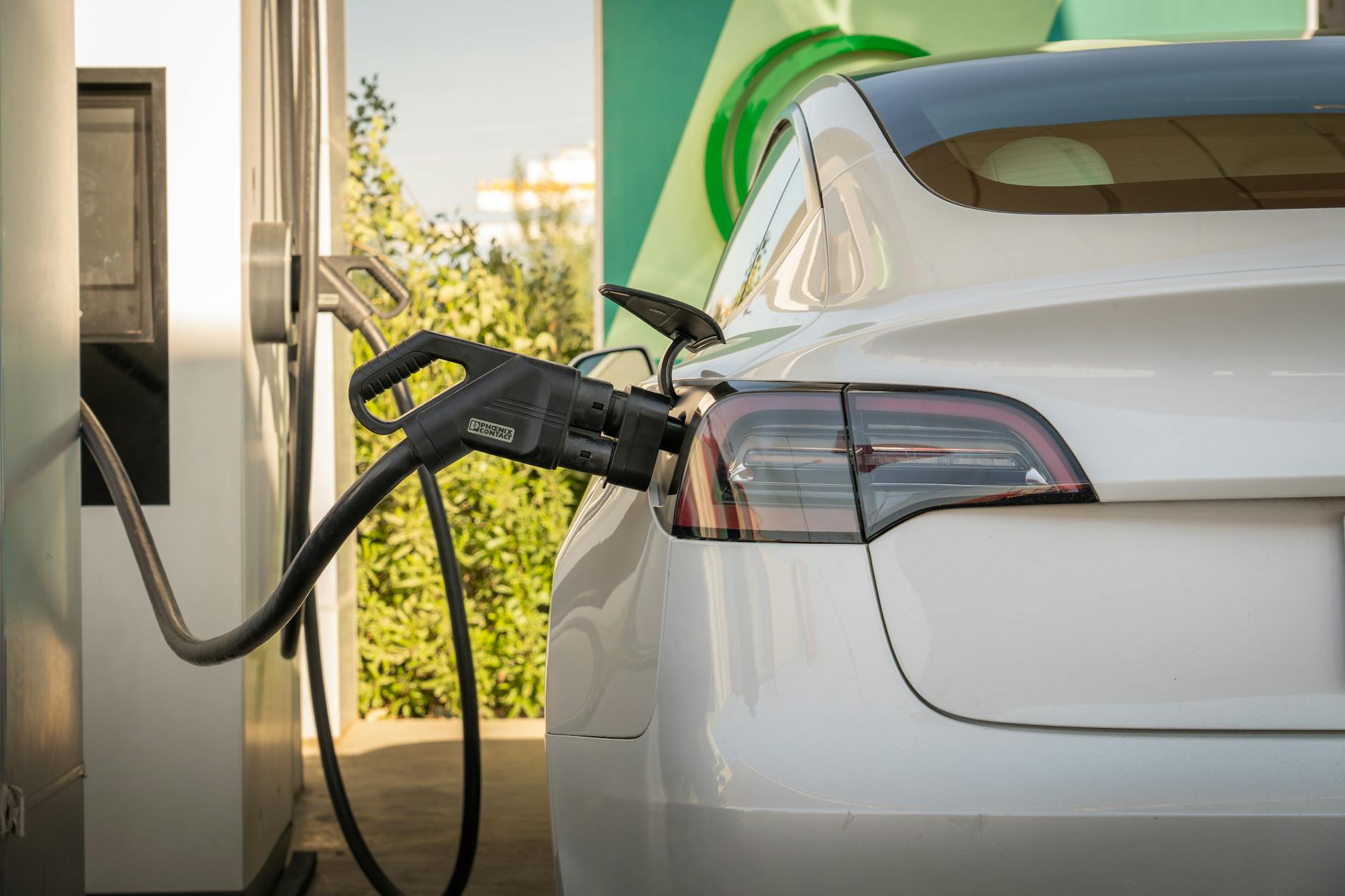
Infrastructure REITs Lead the Charging Revolution
Digital Realty Trust and American Tower Corporation have emerged as early leaders in this space, leveraging their existing infrastructure expertise to build charging networks. These companies understand that EV charging stations share DNA with cell towers and data centers – they’re essential infrastructure that communities can’t function without.
The investment thesis is straightforward. Traditional gas stations generate revenue only when customers fill up. Charging stations earn money whenever they’re occupied, whether for 30 minutes or three hours. This extended dwell time creates additional revenue opportunities through retail partnerships, advertising displays, and premium charging rates during peak hours.
Location strategy separates winning REITs from followers. The most successful charging station REITs focus on high-traffic corridors, shopping centers, and workplace campuses. Highway rest stops command premium rates because drivers have limited alternatives. Urban locations near offices and apartments guarantee steady demand from daily commuters.
Federal and state incentives sweeten the deal significantly. The Infrastructure Investment and Jobs Act provides billions in funding for charging networks. Many states offer additional tax credits and grants. California’s cap-and-trade program creates carbon credits that charging station operators can monetize.
Revenue Models Drive Investment Returns
Charging station REITs employ multiple revenue streams that traditional real estate can’t match. Base charging fees provide steady income, typically ranging from $0.25 to $0.50 per kilowatt hour. Premium fast-charging commands higher rates, often double the standard price.
Subscription models add predictable monthly revenue. Fleet customers like delivery companies and ride-share operators sign long-term contracts for dedicated charging access. These agreements provide the stable, predictable income that REIT investors demand.
Advertising revenue represents untapped potential. Captive audiences spending 30-60 minutes charging their vehicles create valuable eyeball time. Digital displays at charging stations command premium rates from local businesses and national brands. Some REITs partner with retailers to offer discounts and promotions during charging sessions.
The maintenance advantage over traditional real estate is striking. Charging stations require minimal ongoing upkeep compared to office buildings or retail spaces. No tenants means no lease negotiations, no buildout costs, and no vacancy concerns. Electrical infrastructure needs periodic updates, but operational costs remain remarkably low.

Geographic Strategy and Market Positioning
Smart charging station REITs focus on specific geographic clusters rather than scattering locations nationwide. California, Texas, and Florida lead in EV adoption and charging demand. These states also offer the most generous incentive programs for infrastructure development.
Interstate highway corridors represent the highest-value locations. The Department of Transportation designated Alternative Fuel Corridors along major highways, prioritizing these routes for federal funding. REITs positioning assets along these corridors benefit from guaranteed government support and strategic importance.
Urban markets require different strategies than highway locations. City charging stations compete with home charging, so they must offer speed and convenience. Workplace charging targets daily commuters who can’t charge at home. Shopping center locations capitalize on the “charge while you shop” model.
Partnership strategies accelerate growth and reduce risk. Leading REITs team with automotive manufacturers, utility companies, and charging network operators. Ford and General Motors have announced major charging infrastructure investments. Utility partnerships provide electrical expertise and grid connections. Established charging networks like ChargePoint and EVgo offer operational experience and customer bases.
The competitive landscape is consolidating rapidly. First movers gain significant advantages through prime location acquisition and utility relationships. Late entrants face higher land costs and inferior positioning. This dynamic favors REITs with existing real estate expertise and capital resources.
Risk Assessment and Future Outlook
Technology risks pose the primary challenge for charging station REITs. Battery technology advances could extend vehicle range, reducing charging frequency. Faster charging speeds might decrease dwell times and revenue opportunities. However, these same advances could increase total charging demand as EV adoption accelerates.
Regulatory changes present both opportunities and threats. Government support for charging infrastructure remains strong across party lines. However, specific incentive programs could change, affecting project economics. REITs must structure investments to remain profitable without subsidies.
Competition from unexpected sources could disrupt the market. Tesla’s Supercharger network dominance challenges third-party operators. Major retailers like Walmart and Target are installing charging stations to attract customers. Gas station chains are retrofitting locations with charging capabilities.
The investment opportunity extends beyond passenger vehicles. Commercial fleets, delivery trucks, and public transportation systems are transitioning to electric power. These applications require different charging solutions but represent massive market expansion opportunities for infrastructure REITs.

As electric vehicle adoption reaches the tipping point, charging station REITs are positioning themselves as essential infrastructure providers for America’s transportation future. The combination of growing demand, government support, and attractive economics creates a compelling investment thesis. While technology and competitive risks exist, the fundamental need for reliable charging networks ensures long-term growth potential for investors willing to power America’s electric future.
Like the expansion of artificial intelligence hardware infrastructure, charging station networks represent essential building blocks for the next phase of technological evolution.
Frequently Asked Questions
How do charging station REITs generate revenue?
Through charging fees, subscription models, advertising revenue, and retail partnerships at charging locations.
What makes charging stations attractive to REITs?
Low maintenance costs, 24/7 revenue generation, government incentives, and positioning in high-growth EV market.