





The Quiet Accumulation Nobody Wants to Talk About
When a leveraged buyout goes wrong, the private equity sponsor gets the headlines. The debt holders get the assets. Distressed debt funds have spent the last two years positioning themselves for exactly this moment – circling the wreckage of deals done at peak valuations in 2021 and 2022, when cheap money made almost any acquisition model look viable on paper. Now that refinancing walls are closing in and operating performance has disappointed, the secondary market for distressed leveraged loans and bonds has become the quietest growth sector in alternative investing.
The mechanics are straightforward, even if the execution requires deep credit expertise. A private equity firm buys a company using a combination of equity and high-yield debt. If the company underperforms, the debt trades down on secondary markets. Distressed funds buy that debt at 50, 60, or 70 cents on the dollar – sometimes lower. If the company restructures or is sold, those funds recover more than they paid, or convert debt to equity and control the reorganized company outright. The upside can be significant. The risk is real. But for funds that specialize in this, the entry point matters more than almost anything else.
Right now, the entry points are compelling enough that major distressed shops are quietly expanding their buying programs.

Why the LBO Casualties Are Piling Up Now
The 2021-2022 buyout boom was built on a specific set of assumptions: low interest rates, continued multiple expansion, and stable-to-growing EBITDA across most sectors. All three assumptions broke simultaneously. Rates rose faster than almost any model anticipated, multiple compression followed, and a handful of cyclical industries – consumer discretionary, media, healthcare services – saw earnings erode just as debt service costs jumped. The result is a large cohort of over-leveraged companies that cannot refinance at current rates without significant pain.
Many of these companies are not technically in default yet. They are in a zone where lenders have quietly agreed to covenant amendments, payment-in-kind toggles have been exercised, and maturity extensions have bought time. But time is not infinite. A significant portion of leveraged loan maturities cluster in 2025 and 2026, and companies that cannot generate enough free cash flow to service debt at current rates will face hard choices: sell assets, negotiate a debt-for-equity exchange, or file for bankruptcy protection. Each path creates opportunity for funds that already own the debt at a discount.
The most active buyers right now tend to focus on specific industries where the distress is structural rather than temporary. Retail media, healthcare staffing, and software-as-a-service companies that were bought at revenue multiples but never hit profitability targets are drawing particular attention. These are businesses with real underlying value – customer relationships, technology infrastructure, brand recognition – that simply carry too much debt relative to what the business actually generates. Strip out the capital structure, and many of these companies are viable. That is exactly what distressed funds are designed to do.

How Distressed Funds Actually Make the Trade Work
Buying distressed debt is not a passive strategy. It requires legal teams that understand bankruptcy proceedings, restructuring advisors who can negotiate with sponsors and management, and credit analysts who can value a business across multiple scenarios. The funds that do this well are not simply buying cheap paper and waiting. They are actively shaping outcomes – organizing creditor groups, pushing for out-of-court restructurings that preserve going-concern value, and sometimes installing new management when they convert debt to equity through a plan of reorganization.
The out-of-court route has become increasingly preferred, partly because bankruptcy costs have risen substantially and partly because sponsors often cooperate when the alternative is a more disruptive filing. A negotiated exchange where debt is swapped for equity at an agreed valuation can be completed in weeks rather than months. The fund walks away owning a controlling or significant equity stake in a deleveraged company. If they bought the debt at 55 cents and the restructuring implies a recovery of 80 cents equivalent in new equity, the math works even before any eventual exit gain.
Investors looking at this sector should understand that fund structures matter. Distressed debt funds typically lock up capital for five to seven years, and the cycle of buying, restructuring, and exiting takes time. Those with shorter liquidity needs may find the timeline uncomfortable. But for institutional allocators and accredited investors with a longer horizon, the vintage years that follow credit stress cycles have historically produced some of the strongest returns in the alternative asset space – though past cycles never guarantee future results in any specific fund.
The Tension That Makes This Trade Complicated
Not every distressed situation resolves cleanly. Some companies that look like turnaround candidates turn out to have fundamental business model problems that no amount of balance sheet repair can fix. A fund might buy debt at 60 cents, survive the restructuring, take equity ownership, and then watch the company’s underlying revenue continue to deteriorate. The restructuring removed the debt burden but could not replace a fading customer base or a product line that lost relevance. These situations do happen, and they are part of why distressed investing requires a disciplined underwriting process rather than a broad-brush approach to cheap paper.
There is also a competitive dynamics problem. The more widely understood this opportunity becomes, the more capital chases the same pool of distressed assets, compressing the discount available to buyers. Funds that have built proprietary sourcing channels – relationships with loan desks, credit traders, and restructuring advisors – can still find paper at attractive levels. But as general awareness of the LBO casualty wave grows, secondary market prices for distressed loans have been firming in some pockets, reducing the margin of safety that makes the trade worthwhile in the first place.
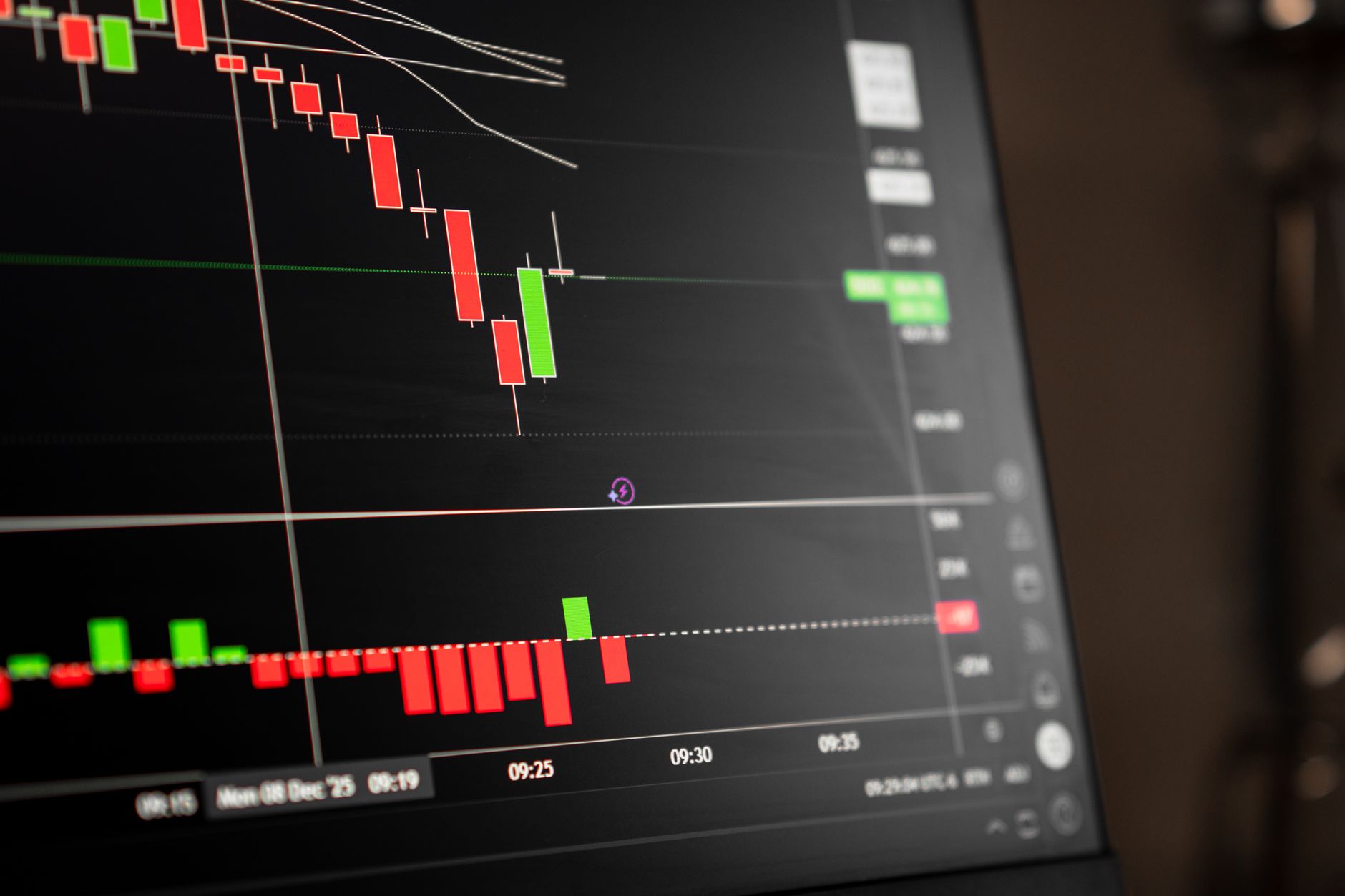
The window for the most attractive entry points in this cycle may be narrower than it first appears – companies that can find any viable refinancing path will take it, removing themselves from the distressed universe before funds can accumulate meaningful positions. What is left will be the hardest cases: businesses where the debt load is genuinely unsustainable and where a real restructuring is unavoidable. Those situations carry the highest risk and, historically, the highest reward for funds willing to do the work. The question is whether the capital flowing into distressed strategies right now is patient enough – and skilled enough – to tell the difference between a company that needs a new capital structure and one that simply needs to stop existing.
Frequently Asked Questions
What is a distressed debt fund?
A distressed debt fund buys the bonds or loans of financially troubled companies at a discount, aiming to profit through restructuring, recovery, or converting debt to equity.
Why are leveraged buyouts producing distressed opportunities now?
LBOs completed in 2021-2022 were structured around low interest rates and optimistic earnings growth. When both assumptions failed, many portfolio companies became over-leveraged and unable to refinance at current rates.