



A seat at the back of a Delta aircraft and a seat at the front are sold as if they belong to different businesses. Increasingly, they do.
Two Cabins, Two Different Economies
Airline earnings reports separate revenue by cabin for a reason. The main cabin is the volume business: most of the seats, most of the passengers, and fares that get compared against every other option on the route, including low-cost carriers whose entire pitch is price. Premium is the opposite. There are fewer seats, less direct price comparison, and buyers who care about space, priority, and arriving able to work or sleep. In recent quarters, Delta’s reported premium revenue has grown faster than its main cabin revenue, and that gap is what investors keep circling back to.
The gap exists because the two groups of customers behave differently at the moment of purchase. Someone choosing between two airlines for a Tuesday morning flight will often take the cheaper fare, and every carrier knows it, so main cabin pricing gets pulled toward the lowest credible competitor. A traveler paying for a lie-flat seat on a long-haul route or a wider seat on a cross-country run is not running the same calculation. The purchase is tied to comfort, status, or a company travel policy, not to the lowest number on a search screen.
Demand at the top has also been supported by who is flying. Affluent leisure travelers increasingly treat an upgrade as the default setting for a trip they have been planning for months. Corporate travelers have returned to routes where an in-person meeting still beats a video call, and many of them fly in the front. Households with higher incomes have kept spending on experiences, and a long flight is the first and last part of many of those experiences.
Delta has built its cabins as a ladder. There is Comfort+, then Premium Select, the airline’s premium economy product, then First Class domestically and Delta One on international and select long-haul routes. Each rung gives a customer a reason to spend a little more without making a jump to a business-class fare. Premium Select matters most here, because it catches the traveler who would never pay for a lie-flat bed but will gladly pay more than main cabin for extra room.
What the Mix Shift Does to the Income Statement
A flight costs roughly the same to operate whether the extra revenue comes from the front or the back. Fuel, crew, landing fees, and aircraft ownership are largely fixed once a schedule is set. That leaves revenue per seat, and per square foot of cabin, as the lever that moves margin. A premium seat sells for a multiple of a main cabin seat while taking up more floor space, and the airline is betting that the multiple is larger than the space it costs.
That bet is not free. A premium seat takes the room of more than one main cabin seat, so every reconfiguration trades away some economy seats for fewer, pricier ones. If the premium fare does not outperform the revenue from the seats removed, the airline has simply made its aircraft less efficient. Newer aircraft arrive with larger premium cabins built in, and older ones get retrofitted, which tells you how confident the airline is in the math.
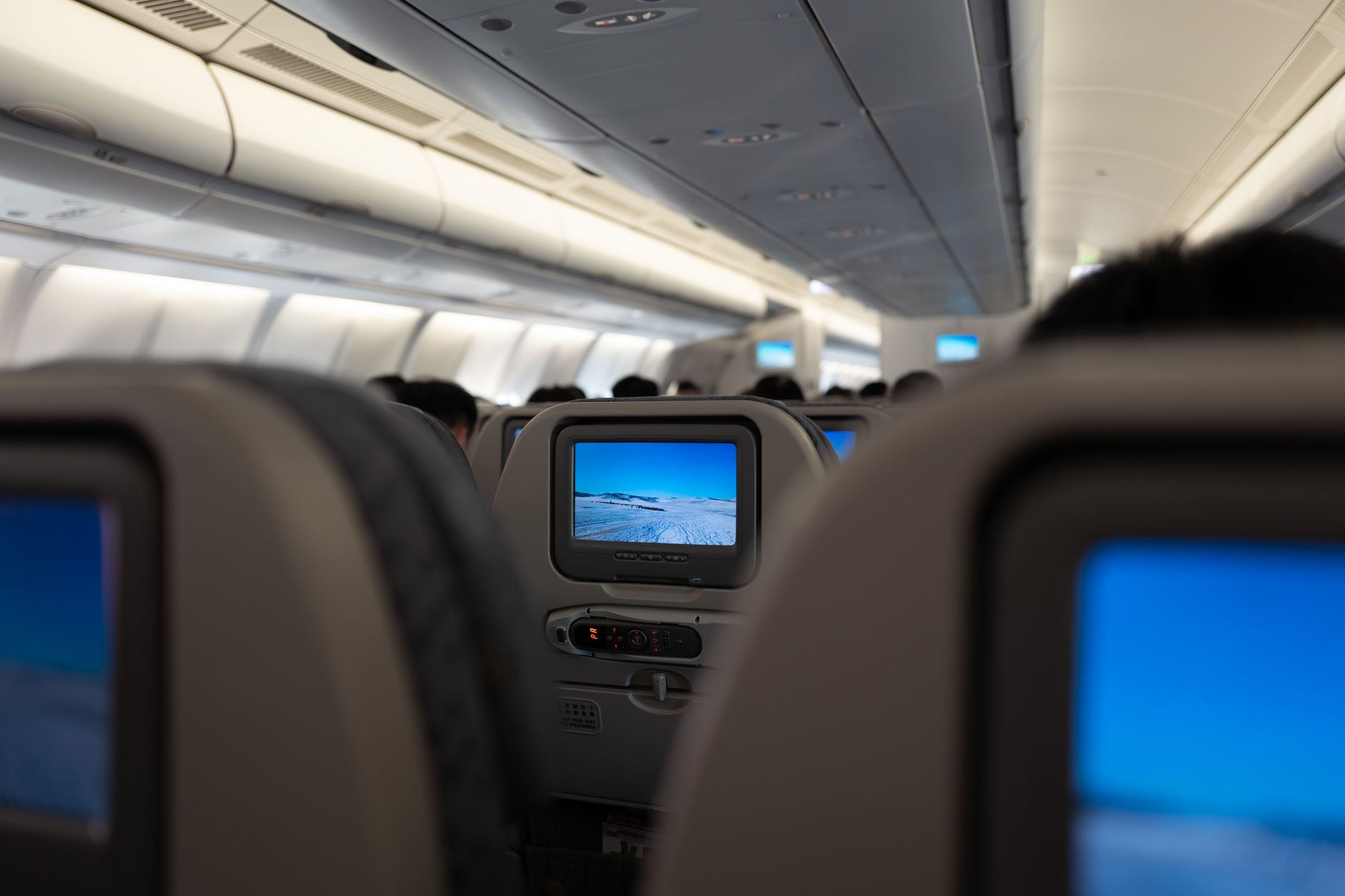
The more interesting effect shows up in unit revenue, the measure airlines use to track how much each seat flown earns. When premium revenue grows faster than the rest, unit revenue can rise even if the number of passengers barely moves. Premium fares also tend to hold up better when demand softens. When the main cabin weakens, airlines discount to fill empty seats, and those discounts drag average fares down across the whole cabin. Premium buyers are less likely to wait for a sale, so the fares there tend to hold. The result is an earnings stream that looks steadier than the volatility of the main cabin would suggest.
Loyalty economics add another layer. Premium customers are often the most engaged members of a frequent flyer program, and the most likely to carry the airline’s co-brand credit card. That ties each front-cabin seat to revenue that does not appear on the ticket itself. A traveler who flies premium and also spends heavily on a loyalty card is worth more than the fare alone suggests.
None of this makes the main cabin irrelevant. It fills the plane, feeds the loyalty program, and supplies the pool of customers who might later pay for an upgrade.
Where the Strategy Gets Tested
Premium growth rests on two things that are sensitive to the economy: high-income household spending and corporate travel budgets. When companies tighten expenses, front-cabin tickets are among the first line items to get questioned, and a travel manager can change a policy faster than a family can change a vacation. A premium-heavy revenue mix is stronger in good times and potentially more exposed in a downturn than the airline’s own commentary on cabin strength might imply.
Competition is the other pressure point. United and American have been investing in their own premium cabins, and the more seats the industry adds at the front, the more the scarcity that supports high fares starts to erode. If every major carrier is chasing the same affluent traveler with the same upgraded seat, premium becomes a crowded market instead of a protected one. So if the front of the plane is now the airline’s profit engine, what happens to the schedule when the people paying for it stop upgrading?
Frequently Asked Questions
Why is Delta’s premium cabin revenue growing faster than main cabin revenue?
Premium buyers are less price-sensitive and more focused on comfort and status, while main cabin fares are pulled down by low-cost competition. Strong demand from affluent leisure and corporate travelers has added to the gap.
What is Delta Premium Select?
Delta Premium Select is the airline’s premium economy product, sitting between Comfort+ and Delta One. It offers more space and amenities than the main cabin without the price of a lie-flat seat.
What are the risks of relying on premium cabin revenue?
Premium demand depends on high-income spending and corporate travel budgets, both of which can shrink in a downturn. Competitors adding their own premium seats can also weaken pricing power.