



Why does a tractor order book say more about a county’s finances than a jobs report does? Because a farmer deciding on a new combine is making a bet on income that has not been earned yet, and that kind of bet is hard to fake. When Deere reports earnings, the headline numbers matter, but the commentary on orders, dealer inventories and production schedules is where investors look for early readings on rural confidence.
Deere sells machines that farmers cannot easily talk themselves into buying.
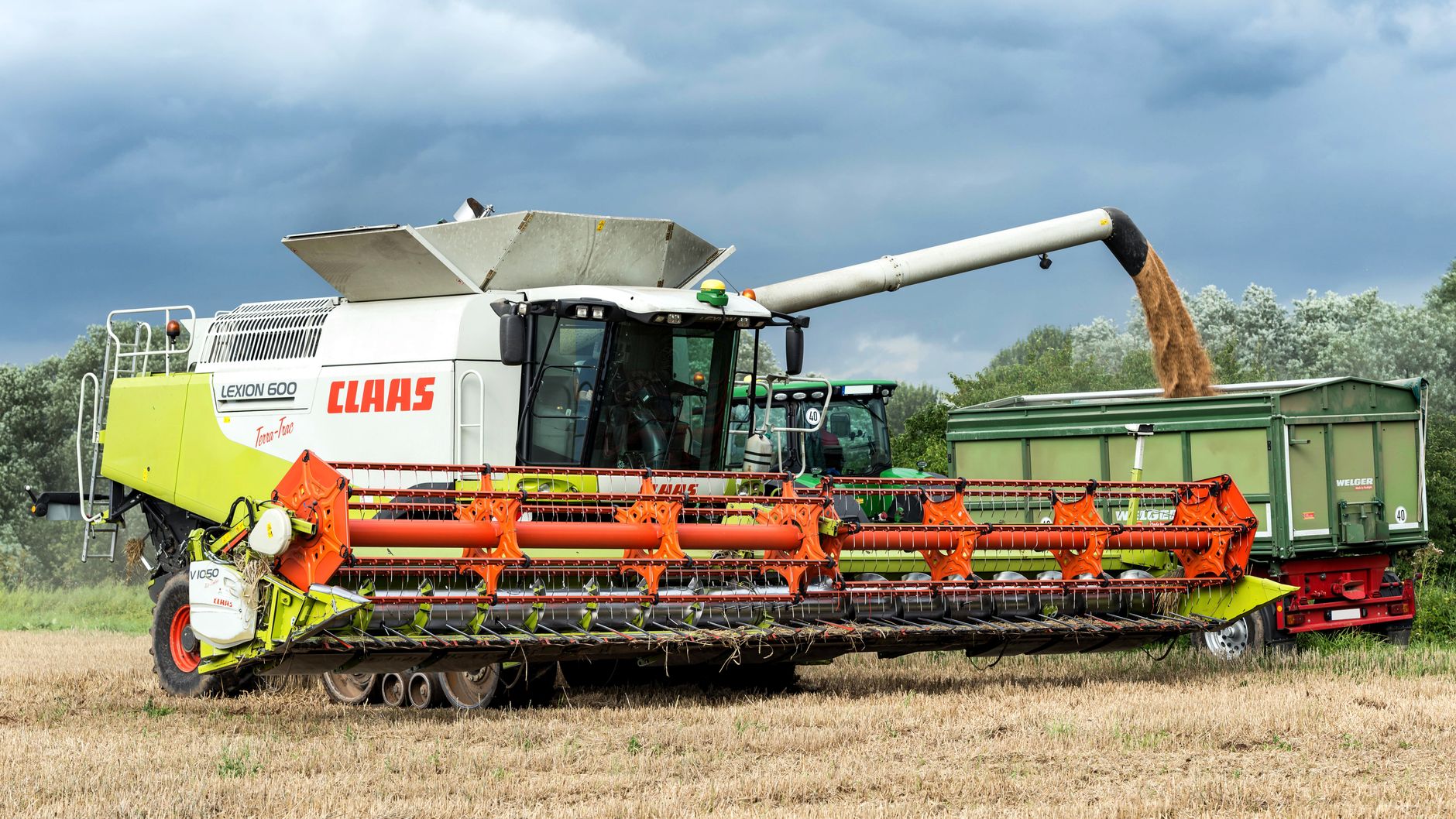
A large sprayer or a high-horsepower tractor is a six-figure or seven-figure commitment, usually financed, and usually timed against expectations for crop prices, input costs and interest rates. A farmer who feels flush after a strong harvest may order early and lock in a build slot. A farmer staring at tight margins will patch the old machine, push the purchase back a year and spend the savings on seed and fertilizer instead. Multiply those decisions across thousands of operations and the order book becomes a rough survey of sentiment in the agricultural economy, one backed by actual money rather than responses on a questionnaire.
What an Order Book Says About Farm Balance Sheets
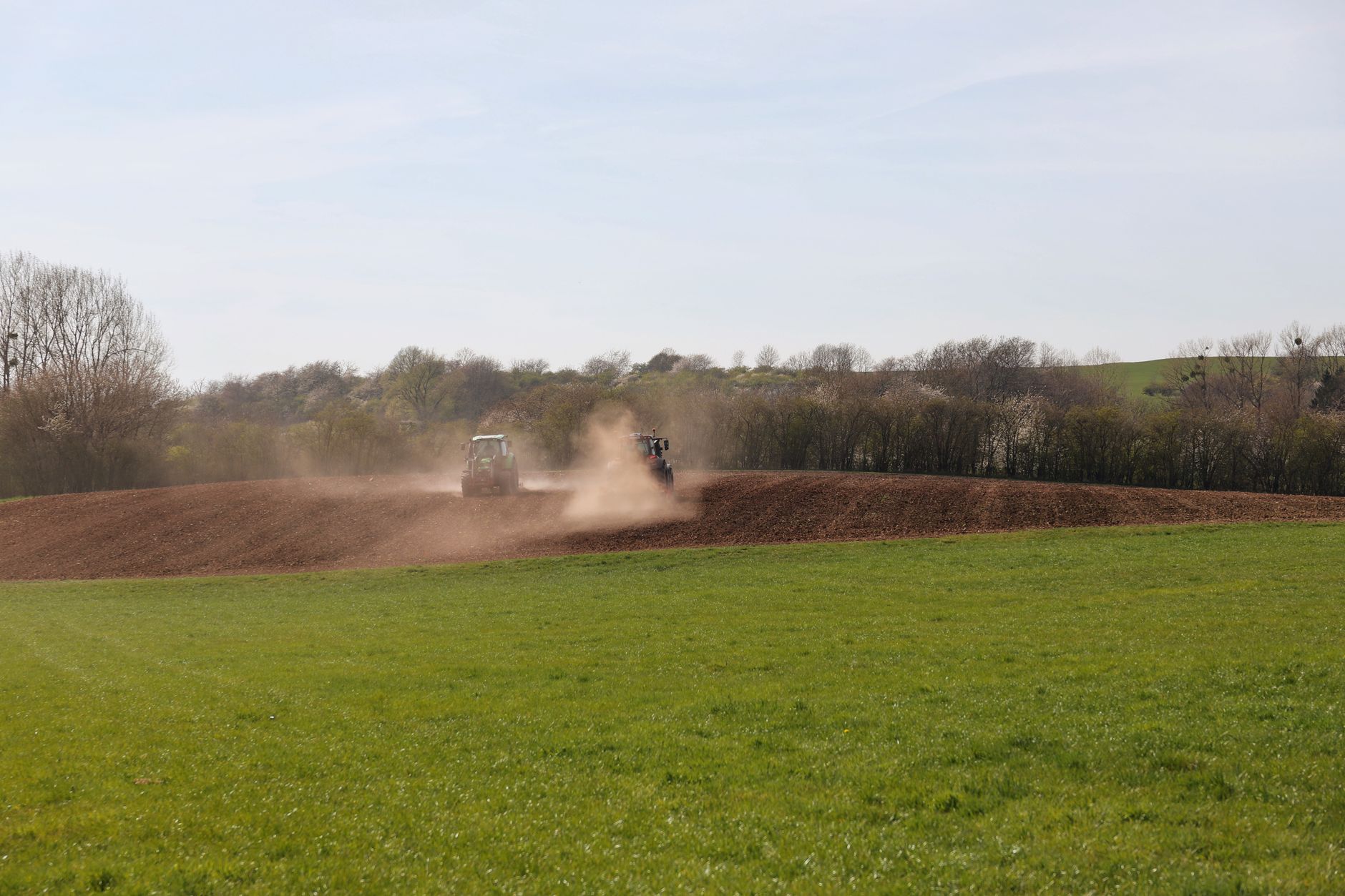
Large equipment is purchased against anticipated cash flow, which makes it unusually sensitive to the relationship between what farmers earn and what they spend to grow a crop. Corn and soybean prices set the top line. Fertilizer, seed, chemicals, fuel and land rent set the bottom. When the gap between them narrows, capital spending is the first thing to give, because a planter can wait and a seed bill cannot. Manufacturers like Deere typically open order programs for big-ticket products well ahead of production, so the pace of those commitments shows up in earnings calls long before it appears in government farm income data.
Tax planning also shapes timing. In strong income years, equipment has long been a way for farm operators to manage taxable income, which can pull purchases forward and create bursts of demand that look more durable than they are. The reverse is also true. A weaker year removes that incentive and can make orders drop faster than underlying need would justify. This is one reason an order slowdown is not the same as a farm crisis. It can mean farmers are being cautious or simply that the tax calendar no longer pushes them to buy.
Used equipment adds another layer. If dealer lots are full of late-model machines, a buyer has options that cost less than a new unit, and new orders soften even when farmers still want to upgrade. Falling used values can also hurt trade-in math, which makes the jump to a new machine more expensive. Investors who watch only the new-order commentary miss this feedback loop. Healthy demand shows up when used inventory clears at reasonable prices, and a pile-up on dealer lots is often the earlier warning than any order number.
Reading the Signal Without Overreading It
Deere is not the rural economy, and treating its orders as a stand-in for every farm in America would be a mistake. Its biggest and most profitable machines are bought mainly by large row-crop operations, which tend to have more financial flexibility than small family farms. Dairy, livestock and specialty crop producers face different price cycles altogether. The company’s small agriculture and turf business leans on acreage owners, landscapers and homeowners, whose spending follows housing and consumer conditions more than commodity markets. A strong quarter in one division can mask weakness in another, so the segment breakdown deserves as much attention as the consolidated total.
Deere also manages its own supply. When demand softens, the company can cut production to keep dealer inventories from swelling, and that choice can make reported revenue fall faster than farmer demand actually does. It protects pricing and dealer health but complicates the read-through to the rural economy. The downstream effects are real, though. Equipment dealers employ technicians, parts managers and salespeople in small towns. Ag lenders, grain elevators and input suppliers share the same customers. Trade policy, export demand for soybeans and government support payments can shift farmer mood quickly, and the first place that mood shows up in a public company’s results is often an order book.
For investors, the most useful signals sit in specific places. Management’s wording on early order programs and booking pace matters, as does the split between price realization and volume, since price increases can hold revenue up while unit demand weakens. Used equipment values and dealer inventory levels show whether the market is clearing. The credit quality of the company’s financing arm, including delinquencies and loan loss provisions, offers a view of how stretched borrowers are. If farmers are still buying but falling behind on payments, the order book is flattering a balance sheet that is quietly weakening.

What Comes Next at the Dealership
A farmer who skips a planter upgrade this year has not gone broke; he has simply decided the next crop needs to prove itself first. Deere’s order book is the sum of those decisions, and the question for investors is whether the caution on dealer lots is a pause or the start of a longer stretch of patched-up machinery.