





Major cybersecurity firms are posting record-breaking quarterly results as remote work transitions from pandemic necessity to permanent business model. Companies like CrowdStrike, Palo Alto Networks, and Zscaler report subscription revenue growth exceeding 30% year-over-year, driven by organizations doubling down on digital security infrastructure.
The shift represents a fundamental change in how businesses approach cybersecurity spending. Where companies once viewed security software as a necessary expense, they now treat it as revenue-protecting infrastructure. This mindset change is reflected in enterprise contracts extending beyond traditional three-year terms, with some organizations committing to five and seven-year agreements.
Remote work permanence has created what industry analysts call a “security-first” business culture. Companies that initially scrambled to enable work-from-home capabilities during 2020 now architect their entire technology stack around distributed workforce models. This architectural shift requires comprehensive security solutions covering everything from endpoint protection to cloud access security brokers.

Enterprise Spending Drives Double-Digit Growth
CrowdStrike reported third-quarter revenue of $786 million, representing 35% growth compared to the same period last year. The company’s annual recurring revenue exceeded $3.6 billion, with enterprise customers averaging contract values 40% higher than pre-pandemic levels. Chief Executive George Kurtz attributes this growth to organizations treating cybersecurity as “business continuity insurance” rather than optional technology.
Palo Alto Networks posted similar results, with billings growing 26% year-over-year to $2.3 billion. The company’s cloud security revenue increased 43%, reflecting enterprise migration toward software-as-a-service security models. Organizations prefer cloud-based security solutions because they scale automatically with workforce expansion and contraction.
Zscaler, specializing in cloud security platforms, reported 42% revenue growth to $496 million. The company added 310 new enterprise customers during the quarter, with existing customers expanding their security footprint by an average of 35%. Zscaler’s zero-trust network access solutions have become particularly popular as companies abandon traditional VPN models.
These growth figures contrast sharply with broader technology sector performance. While many software companies face revenue headwinds due to economic uncertainty, cybersecurity firms benefit from non-negotiable security requirements. Organizations cannot reduce security spending without risking operational continuity and regulatory compliance.
AI-Powered Security Solutions Command Premium Pricing
Artificial intelligence integration has become a major revenue driver for cybersecurity companies. Modern security platforms use machine learning algorithms to detect threats in real-time, reducing response times from hours to minutes. This capability allows cybersecurity vendors to charge premium pricing for AI-enhanced solutions.
SentinelOne, known for its autonomous endpoint protection, reported 64% revenue growth to $149 million. The company’s AI-powered threat detection requires minimal human intervention, appealing to organizations with limited security staff. SentinelOne’s average contract value increased 25% as customers upgrade to AI-enhanced tiers.
Fortinet’s FortiAI platform contributed to the company’s 32% growth in security fabric revenue. The platform analyzes network traffic patterns to identify anomalous behavior before traditional signature-based systems detect threats. Enterprise customers pay 40-60% more for AI-powered security compared to conventional solutions.
However, AI integration requires significant research and development investment. Companies allocate 15-20% of revenue toward AI and machine learning development, compared to 8-12% for traditional software features. This investment cycle creates barriers for smaller competitors while rewarding established players with resources for advanced development.
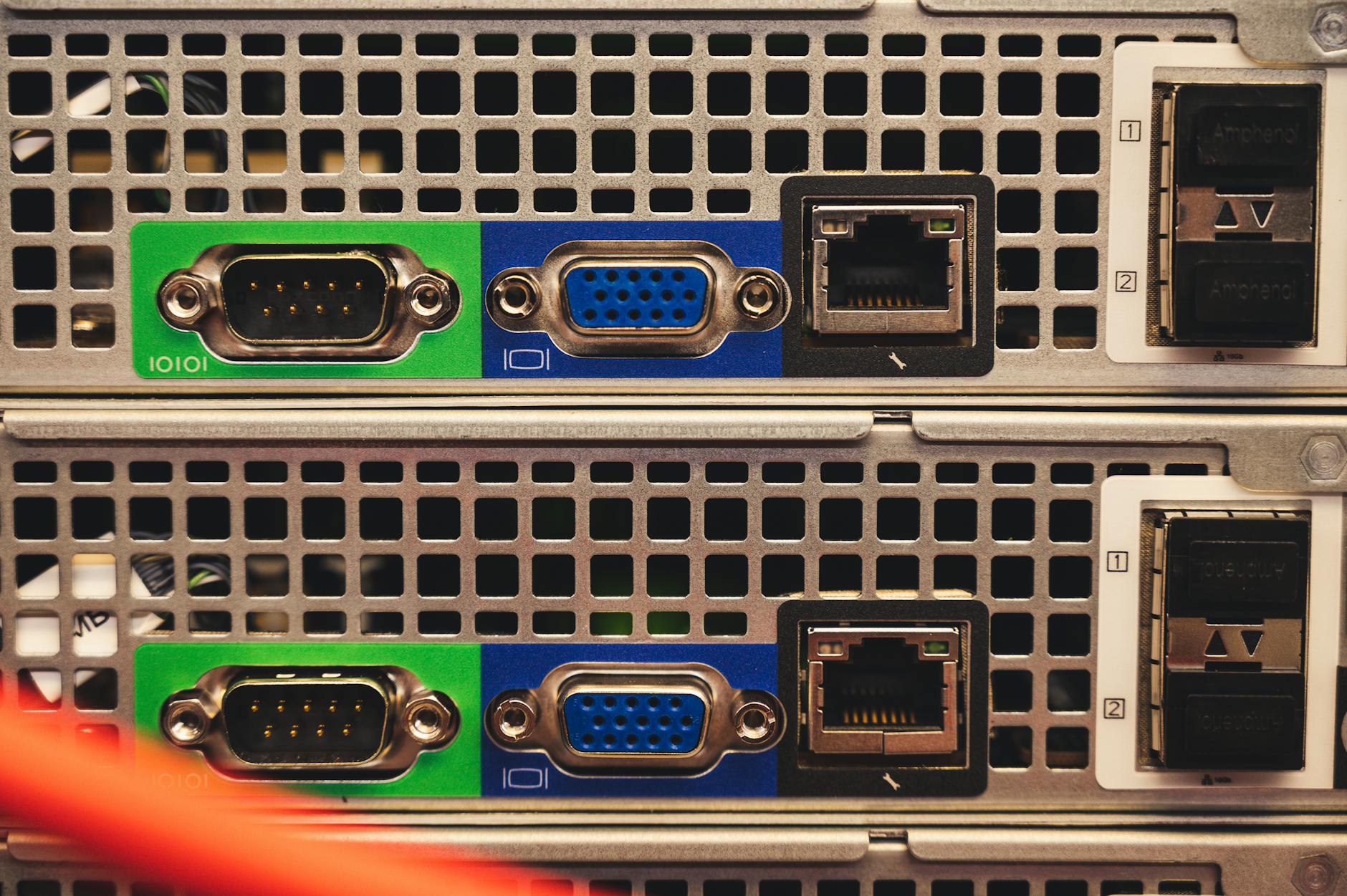
The premium pricing model works because AI-powered security delivers measurable ROI. Organizations using AI-enhanced security platforms report 45% fewer security incidents and 60% faster threat resolution times. These improvements translate into reduced downtime costs and lower cyber insurance premiums, justifying higher software spending.
Regulatory Compliance Fuels Subscription Growth
Evolving regulatory requirements drive consistent revenue growth for cybersecurity companies. The European Union’s Digital Services Act and similar regulations in other jurisdictions require organizations to implement specific security controls. Compliance requirements create predictable demand for cybersecurity solutions regardless of economic conditions.
Okta, specializing in identity and access management, reported 23% revenue growth to $547 million. The company’s customer identity solutions help organizations comply with data privacy regulations while supporting remote workforce authentication. Okta’s government and healthcare verticals showed particularly strong growth due to regulatory requirements.
Financial services firms represent the highest-growth customer segment for many cybersecurity vendors. Banks and investment firms face stringent regulatory oversight requiring continuous security monitoring and threat detection. These organizations typically sign multi-year contracts worth millions of dollars annually.
The regulatory environment also creates expansion opportunities within existing customer accounts. As new regulations emerge, organizations require additional security modules and compliance reporting features. This dynamic generates recurring revenue growth without requiring new customer acquisition.
Cybersecurity companies benefit from what analysts term “regulatory lock-in.” Once organizations implement specific security solutions to meet compliance requirements, switching costs become prohibitively expensive. This customer stickiness contributes to retention rates exceeding 95% for leading cybersecurity vendors.
Much like how tech layoffs have created surge in freelance consulting opportunities, the permanent shift to remote work has created lasting demand for cybersecurity solutions. Organizations cannot easily reverse their security investments without compromising business operations.
Market Outlook Points to Sustained Growth
Industry forecasts predict continued strong performance for cybersecurity companies through 2025. Gartner projects global cybersecurity spending will reach $267 billion by 2026, representing 12% annual growth. This growth trajectory significantly outpaces overall enterprise software spending, which faces headwinds from economic uncertainty.

Several factors support optimistic long-term outlooks. First, cyber threats continue evolving in sophistication, requiring constant security platform updates. Second, digital transformation initiatives create new attack surfaces that require protection. Third, merger and acquisition activity consolidates the industry around financially strong players.
Private equity and venture capital firms have invested over $12 billion in cybersecurity startups during the past two years. This funding supports innovation in emerging areas like zero-trust architecture, cloud security posture management, and security orchestration. Successful startups eventually become acquisition targets for established players, driving industry consolidation.
The geopolitical environment also supports cybersecurity spending growth. Nation-state cyber attacks against critical infrastructure have prompted government mandates for enhanced security measures. These requirements create additional revenue opportunities for cybersecurity companies serving government and critical infrastructure customers.
Looking ahead, cybersecurity companies are positioned to outperform broader technology markets. Their revenue models combine subscription predictability with expansion opportunities driven by regulatory requirements and evolving threats. This combination creates sustainable competitive advantages that justify premium valuations compared to other software companies.
Frequently Asked Questions
Why are cybersecurity companies growing during economic uncertainty?
Organizations view cybersecurity as essential infrastructure rather than optional spending, making it recession-resistant compared to other technology sectors.
How does remote work drive cybersecurity spending?
Permanent remote work requires comprehensive security solutions covering endpoints, cloud access, and network protection, creating sustained demand for security platforms.