





Small-batch whiskey makers and artisanal gin producers are quietly crushing Wall Street’s biggest alcohol giants. While industry behemoths Diageo and Anheuser-Busch InBev struggle with declining beer sales and shifting consumer preferences, craft distillery stocks have surged an average of 23% this quarter, outpacing the broader alcohol sector by nearly 15 percentage points.
The reversal marks a dramatic shift in an industry traditionally dominated by multinational corporations with deep pockets and extensive distribution networks. Now, nimble craft operations are capitalizing on premium positioning and authentic storytelling to capture market share from established players who built their empires on mass-market appeal.
Premium Positioning Drives Profit Margins
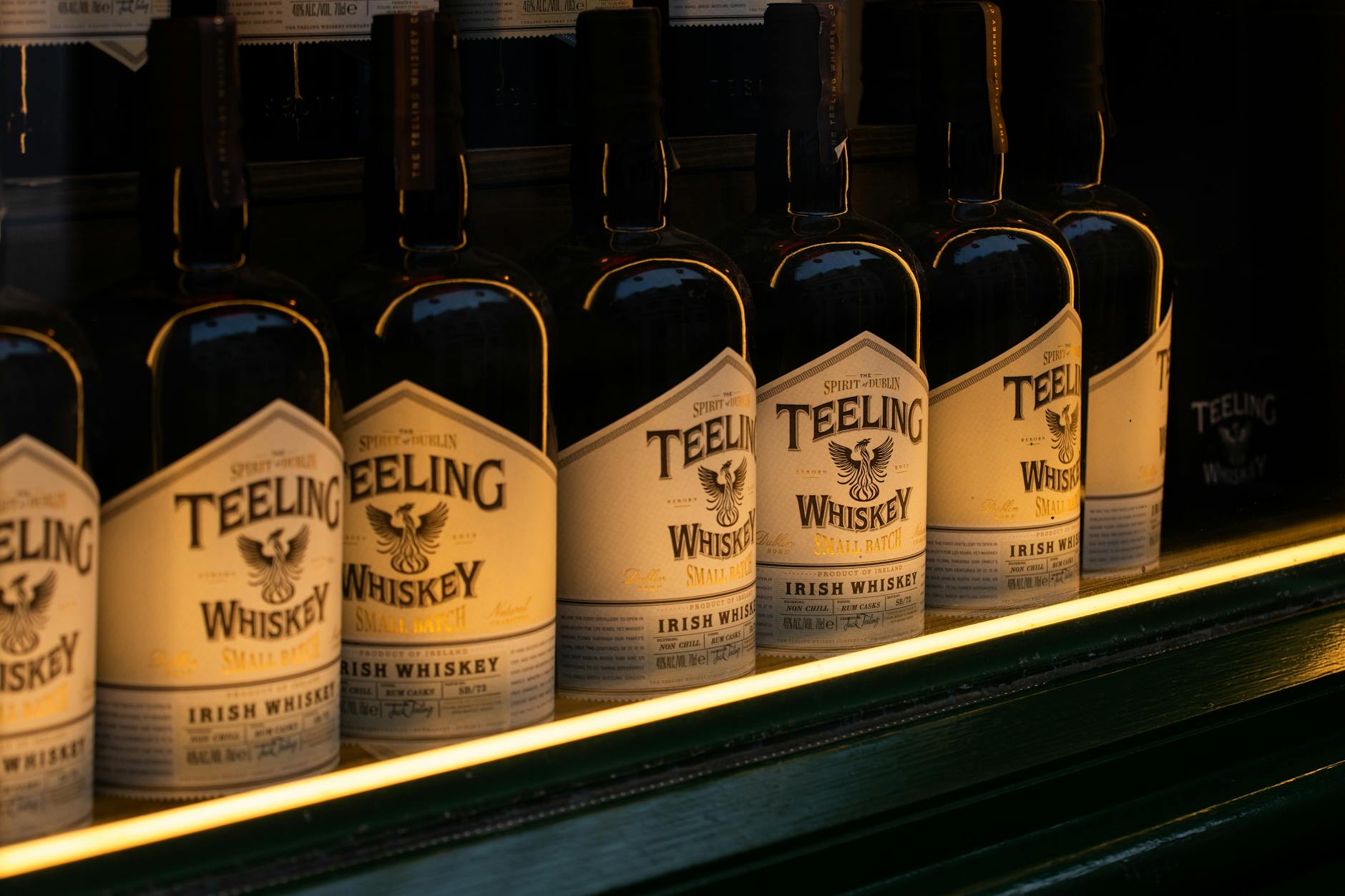
Craft distilleries command significantly higher profit margins than their corporate counterparts by positioning products in the premium and super-premium categories. While major brands compete primarily on price and volume, craft producers focus on quality, provenance, and unique flavor profiles that justify premium pricing.
MGP Ingredients, which supplies neutral spirits to many craft distilleries while operating its own premium brands, reported a 31% increase in quarterly revenue. The company’s stock has climbed 28% over the past three months as demand for premium spirits continues to outpace overall alcohol consumption growth.
Similarly, companies like Heaven Hill Brands and Brown-Forman’s craft portfolio have seen double-digit growth in the premium bourbon and whiskey segments. These brands benefit from the “premiumization” trend, where consumers increasingly choose quality over quantity, willing to pay higher prices for products with compelling origin stories and artisanal production methods.
The margin advantage extends beyond just pricing power. Craft distilleries typically operate with leaner overhead structures and more efficient production models compared to large-scale corporate operations burdened by legacy costs and complex distribution networks.
Consumer Preferences Shift Toward Authenticity
Younger consumers increasingly gravitate toward brands with authentic stories and local connections, creating headwinds for mass-market alcohol producers. This demographic shift has benefited craft distilleries that emphasize small-batch production, local sourcing, and founder narratives over corporate marketing campaigns.
Tito’s Handmade Vodka exemplifies this trend, growing from a Texas startup to a billion-dollar brand by maintaining its craft positioning despite massive scale. The brand’s success demonstrates how authentic storytelling and quality focus can compete effectively against established vodka giants like Smirnoff and Grey Goose.
The authenticity factor extends to production transparency, with craft distilleries often offering facility tours, tasting experiences, and direct-to-consumer sales that create deeper customer relationships. These touchpoints generate brand loyalty that translates into pricing power and repeat purchases.
Distribution Innovation Levels Playing Field
Traditional distribution advantages held by major alcohol conglomerates are eroding as craft distilleries find innovative routes to market. Direct-to-consumer shipping, expanded in many states during the pandemic, has created new revenue channels that bypass traditional three-tier distribution systems.
E-commerce platforms specifically designed for alcohol sales, including Drizly and ReserveBar, have democratized access to consumers previously controlled by major brands with established retailer relationships. Craft distilleries can now reach national audiences without the massive sales teams and promotional spending required for traditional retail placement.
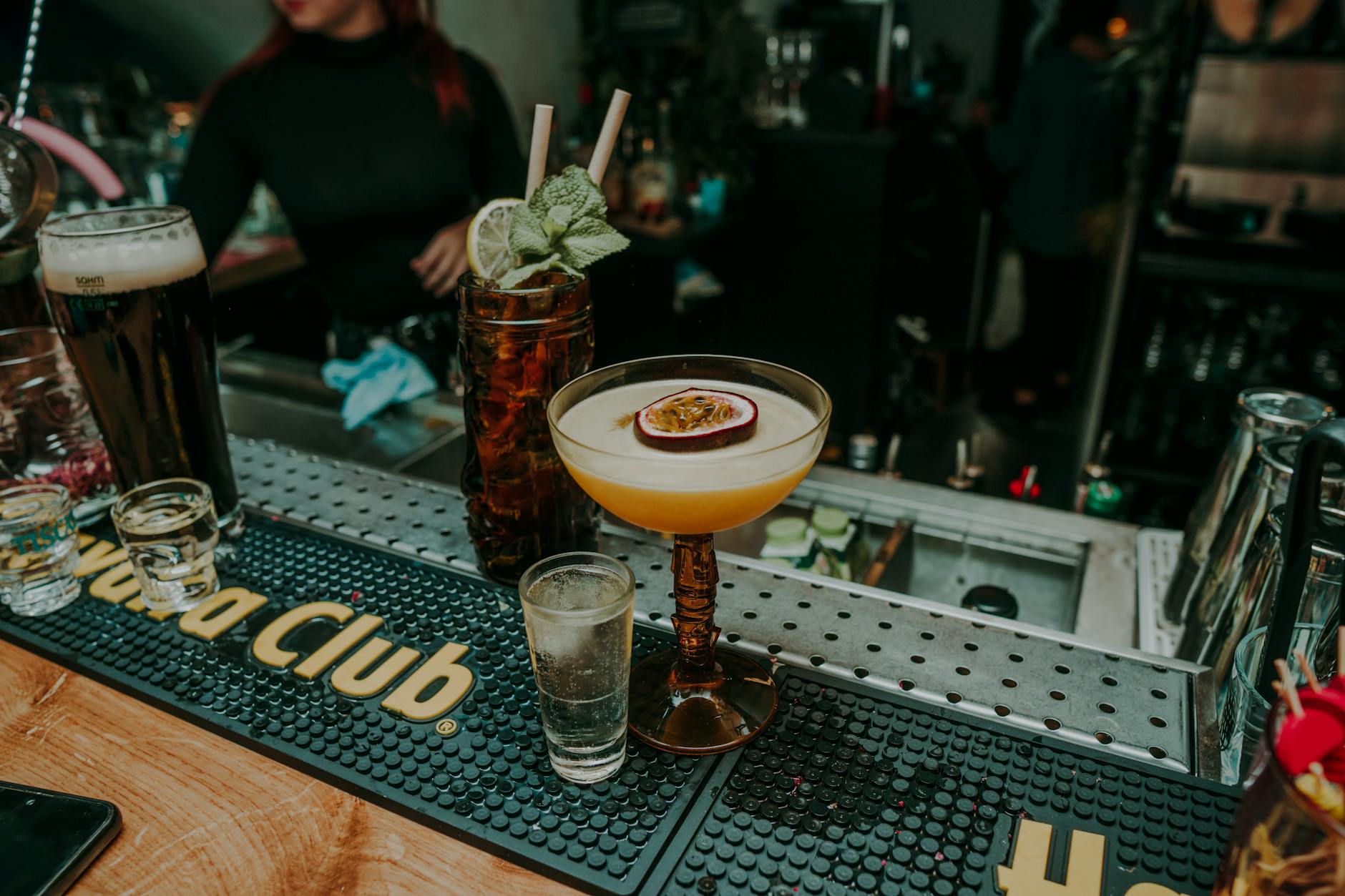
Restaurant and bar partnerships have also evolved, with many establishments featuring craft spirits prominently in cocktail programs. This trend mirrors the craft beer movement’s success in gaining tap handle placement, creating visibility and trial opportunities that translate into retail sales.
The rise of cocktail culture has particularly benefited craft gin and rum producers, whose unique botanical profiles and flavor characteristics appeal to bartenders seeking distinctive ingredients. This professional endorsement carries significant weight with consumers exploring premium spirits categories.
Challenges and Market Realities
Despite impressive quarterly performance, craft distillery stocks face significant challenges that could impact long-term growth trajectories. Supply chain constraints affecting everything from bottles to grain have pressured production costs across the industry, though smaller operations often demonstrate greater flexibility in sourcing alternatives.
Regulatory complexity remains a substantial hurdle, with craft producers navigating different rules across states and international markets. Unlike major corporations with dedicated regulatory affairs teams, smaller distilleries often struggle with compliance costs that can significantly impact profitability.
Similar challenges face other sectors experiencing rapid growth, as evidenced by luxury RV manufacturers reporting surge despite economic headwinds while managing supply chain and capacity constraints.
Market saturation concerns loom as more craft distilleries enter the space, potentially fragmenting consumer attention and shelf space. The number of active distilleries in the United States has nearly tripled over the past decade, creating intensified competition for distribution and consumer mindshare.

Looking Forward: Sustainability Meets Profitability
The craft distillery sector’s outperformance this quarter reflects broader consumer trends favoring authenticity, quality, and local production over mass-market alternatives. As these preferences solidify, particularly among higher-income demographics, craft producers appear well-positioned to maintain premium positioning and strong margins.
However, the industry’s long-term success will depend on successfully scaling operations while preserving the authentic characteristics that differentiate craft brands from corporate alternatives. Companies that master this balance while building sustainable distribution networks are likely to emerge as the sector’s biggest winners.
The current quarter’s performance suggests that David can indeed compete with Goliath in the spirits industry – at least when David focuses on precision, authenticity, and premium positioning rather than attempting to match Goliath’s scale and volume.
Frequently Asked Questions
Why are craft distillery stocks outperforming major alcohol companies?
Craft distilleries benefit from premium positioning, authentic storytelling, and higher profit margins compared to mass-market corporate brands.
What drives the higher profit margins for craft distilleries?
Premium pricing power, leaner operations, and consumer willingness to pay more for quality and authenticity create superior margins.