





A Quiet Return to the Convertible Market
Convertible bond arbitrage has spent several years in the investing wilderness. After a brutal stretch of compressed volatility and low issuance that made the trade nearly impossible to run profitably, a growing number of hedge funds are quietly rebuilding positions in the strategy – drawn back by a combination of rising new issuance, wider credit spreads, and equity volatility that has finally returned to useful levels. The setup, for the first time in years, actually makes sense again.
The mechanics are straightforward in theory: buy a convertible bond, which is part fixed income and part equity option, then short the underlying stock to hedge the equity exposure. The profit comes from the difference between what the market implies the embedded option is worth and what sophisticated pricing models suggest it should be. When that gap – called the conversion premium – is mispriced, the arbitrageur earns by being right about the structure, not the direction of the stock. That independence from market direction is exactly why the strategy appeals during periods of uncertainty.

What Changed in the Issuance Market
The revival of convertible bond arbitrage is closely tied to a surge in new convertible issuance. Companies that need capital but want to avoid the dilution of a straight equity raise, or the cost burden of high-yield debt in a rate-elevated environment, have turned to convertibles as a middle path. Technology companies, healthcare firms, and growth-stage businesses in need of runway have all contributed to a pipeline of new paper that has given arbitrageurs fresh material to work with.
New issuance matters because freshly priced convertibles tend to be issued at conversion premiums that leave room for mispricing. Underwriters price these instruments at speed, and the embedded options are rarely calibrated perfectly to current implied volatility surfaces. That imprecision is where the arbitrage lives – and when the calendar is light, the opportunities dry up quickly. A busier primary market keeps the strategy fed.
There is also a structural dynamic at play. Outright investors – those who buy convertibles for the blended risk profile without hedging – have been slower to return to the market than the arb community. That imbalance means hedge funds are capturing a larger share of new deals and, in some cases, extracting more favorable terms. When outright demand is thin, issuers need the arb community and price accordingly.
Volatility Does the Heavy Lifting
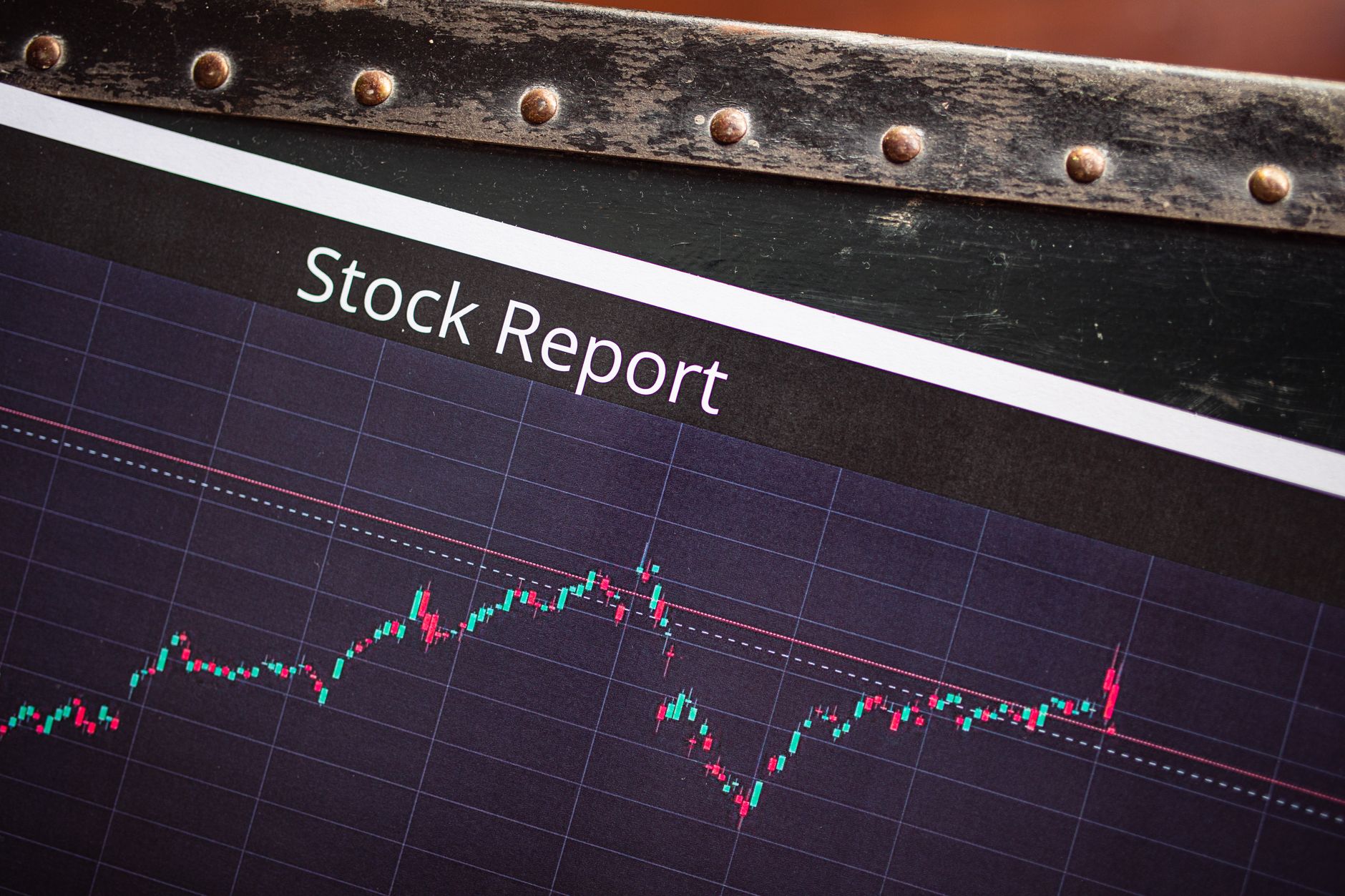
The strategy’s performance is tightly linked to equity volatility. A convertible bond’s embedded option gains value when volatility rises, and an arbitrageur who is long the bond and short the stock benefits when that option becomes worth more than the market originally priced in. The challenge of the past few years was that realized volatility was frequently below what was implied, which meant the long option position bled premium rather than gaining it. Running the strategy felt like buying insurance that never paid out.
That calculus has changed. Equity volatility has been more persistent and more bidirectional, with sharper intraday and week-to-week swings creating the kind of environment where dynamic hedging actually generates positive returns. When a stock moves sharply, the arbitrageur re-hedges – buying more stock as it falls and selling as it rises – which produces a cash gain that partially offsets carry costs. The more frequently that happens, the better the strategy performs. Traders call this gamma scalping, and it is the engine that makes the whole structure run.
There is a nuance worth understanding here. Not all volatility helps equally. The strategy performs best when volatility is realized – when stocks actually move – rather than simply implied. A market where options are expensive but stocks drift sideways will still hurt the strategy. What arbitrageurs need is movement, not just fear. The past several quarters have delivered more of the former than the latter, which has made the distinction less of an obstacle.
Credit conditions also feed into the trade’s attractiveness in ways that are easy to overlook. Convertibles are bonds before they are options, and when credit spreads widen, the bond floor – the value of the instrument if the equity option expires worthless – falls. A wider spread environment raises the risk of the bond leg losing value independently of the equity move, which complicates the hedge and can erode returns even when the option side performs. The current credit environment remains a factor that managers are actively managing rather than ignoring, and the funds running this strategy most successfully tend to be those with serious credit underwriting capability alongside their derivatives expertise.
Who Is Running This Trade Now
The hedge funds returning to convertible arbitrage are not primarily the large multi-strategy platforms, though some of those are rebuilding dedicated sleeves. The more visible resurgence is among specialist firms – smaller, focused funds where the entire operation is built around this one strategy. These managers were never fully out of the trade, but many scaled down their gross exposure when opportunity dried up. They are now scaling back up, selectively, as their opportunity sets justify larger positions.
Capacity matters here in a real way. Convertible bond arbitrage has a finite ceiling on how much capital it can absorb before the trades become too crowded and the mispricing closes before it can be captured. The funds that ran this strategy at scale before 2008 learned that lesson expensively. The funds running it now tend to be more disciplined about asset gathering, understanding that performance degrades as assets grow. That discipline is part of why the strategy has remained somewhat off the radar – the managers running it well are not aggressively marketing.

For allocators evaluating hedge fund exposure, the timing question is real. The conditions that favor convertible bond arbitrage – active issuance, elevated realized volatility, manageable credit stress, and relatively thin competition from outright buyers – do not persist indefinitely. Issuance calendars slow, volatility regimes shift, and the strategy’s edge can narrow quickly when too many funds crowd into the same new deals. The funds currently benefiting are doing so partly because they rebuilt positions before the broader hedge fund community caught on. Whether that window is still open or already closing depends on which quarter’s issuance data you look at.