





The Quiet Return of an Old Strategy
Commodity Trading Advisors – funds that use systematic, trend-following models to trade futures across asset classes – spent much of the 2010s collecting dust in institutional portfolios. Now, as correlations between equities and bonds push higher and traditional 60/40 construction shows strain, allocators are taking a second look at an approach they once wrote off as obsolete.

Why Correlations Change Everything
The logic of a balanced portfolio rests on one assumption: when stocks fall, bonds rise. For most of the period between 2000 and 2020, that assumption held well enough that institutional allocators rarely questioned it. But the 2022 rate cycle broke the relationship visibly, and more recent volatility has reinforced the concern. When both major asset classes move together – particularly to the downside – diversification through traditional means stops working at the exact moment investors need it most.
CTAs don’t rely on that stock-bond relationship at all. They trade trend signals across commodities, currencies, fixed income futures, and equity index futures, going long or short based on momentum. The strategy is structurally indifferent to whether equities are rising or falling, which is why it tends to shine precisely when traditional portfolios struggle. In 2022, the year that most 60/40 funds posted double-digit losses, systematic trend-following strategies produced some of their strongest returns in over a decade.
That performance window reopened a conversation that had gone quiet. During the long bull market in both stocks and bonds, CTAs delivered uneven returns – capturing commodity runs but generating flat or negative results during the stretches of low volatility that characterized much of the 2010s. Allocators who had added them to portfolios found themselves explaining underperformance year after year, and many quietly reduced or eliminated positions. The logic had always been there; the environment just wasn’t cooperating.
What has changed is not the strategy itself but the macro backdrop. Higher base rates, persistent inflation risk, and ongoing geopolitical disruption to commodity supply chains have created the kind of sustained, directional trends that CTA models are built to capture. Currency volatility has also stayed elevated, giving trend-followers more to work with in a market segment that was nearly dormant for years. The combination makes the current environment structurally more favorable than anything CTAs experienced between 2013 and 2021.

How Institutional Allocators Are Positioning
Pension funds and endowments rebuilding their alternative sleeves are increasingly treating CTAs not as a return-generation tool but as a correlation diversifier. The framing matters because it changes how performance is measured and how much patience allocators extend during flat periods. When a CTA position is held for its crisis-alpha properties – the tendency to produce gains during equity drawdowns – a year of modest returns looks very different from a year of modest returns inside a directional equity bet.
The sizing conversation is more nuanced than it was during the first wave of CTA adoption in the 1990s and early 2000s. Many institutional investors are now modeling these allocations as explicit hedges rather than standalone return streams, running scenario analysis on how the CTA exposure would have performed during 2008, 2020, and 2022. The results of that kind of backtesting tend to support moderate allocations – enough to move portfolio-level drawdown numbers without creating drag during extended equity rallies.
Managed futures funds accessible to individual accredited investors and through certain registered fund structures have also grown in variety, lowering the barrier that once kept CTAs largely confined to pension and sovereign wealth allocations. Fee compression across the hedge fund universe has touched CTA managers as well, making the risk-return case more attractive net of costs than it was when 2-and-20 was the unquestioned standard. Several managers have moved to performance-only fee models for institutional mandates, removing one of the traditional objections.
The relationship between CTAs and fixed income deserves attention here. As target-date fund glide paths face growing scrutiny over their bond-heavy positioning in retirement, systematic trend-following offers a different way to think about the defensive allocation problem – one that doesn’t depend on bonds reclaiming their negative-correlation role. For allocators skeptical that bonds will reliably buffer equity risk in a higher-rate world, CTAs fill a conceptual gap that few other liquid strategies can address.
Not every CTA is the same, and the performance dispersion between managers during any given trend cycle can be significant. Managers differ in the speed of their trend signals – some optimize for shorter-term momentum, others for multi-month directional moves – and in the breadth of markets they trade. A fund with deep exposure to agricultural commodities and emerging market currencies will behave very differently from one concentrated in equity index and interest rate futures. Allocators treating all CTAs as interchangeable are likely to be disappointed when the trend environment shifts.
What Could Derail the Thesis
The risk to CTA allocations isn’t market decline – it’s the return of low-volatility, directionless markets. The period from roughly 2013 to 2017 saw equity markets grind steadily higher while commodity trends collapsed and currency ranges compressed. Trend-following models generated signal after signal that reversed before materializing into profit. Allocators who added CTA exposure after 2008 for its diversification properties spent years watching the position lag while everything else rallied, and many gave up at precisely the wrong time.
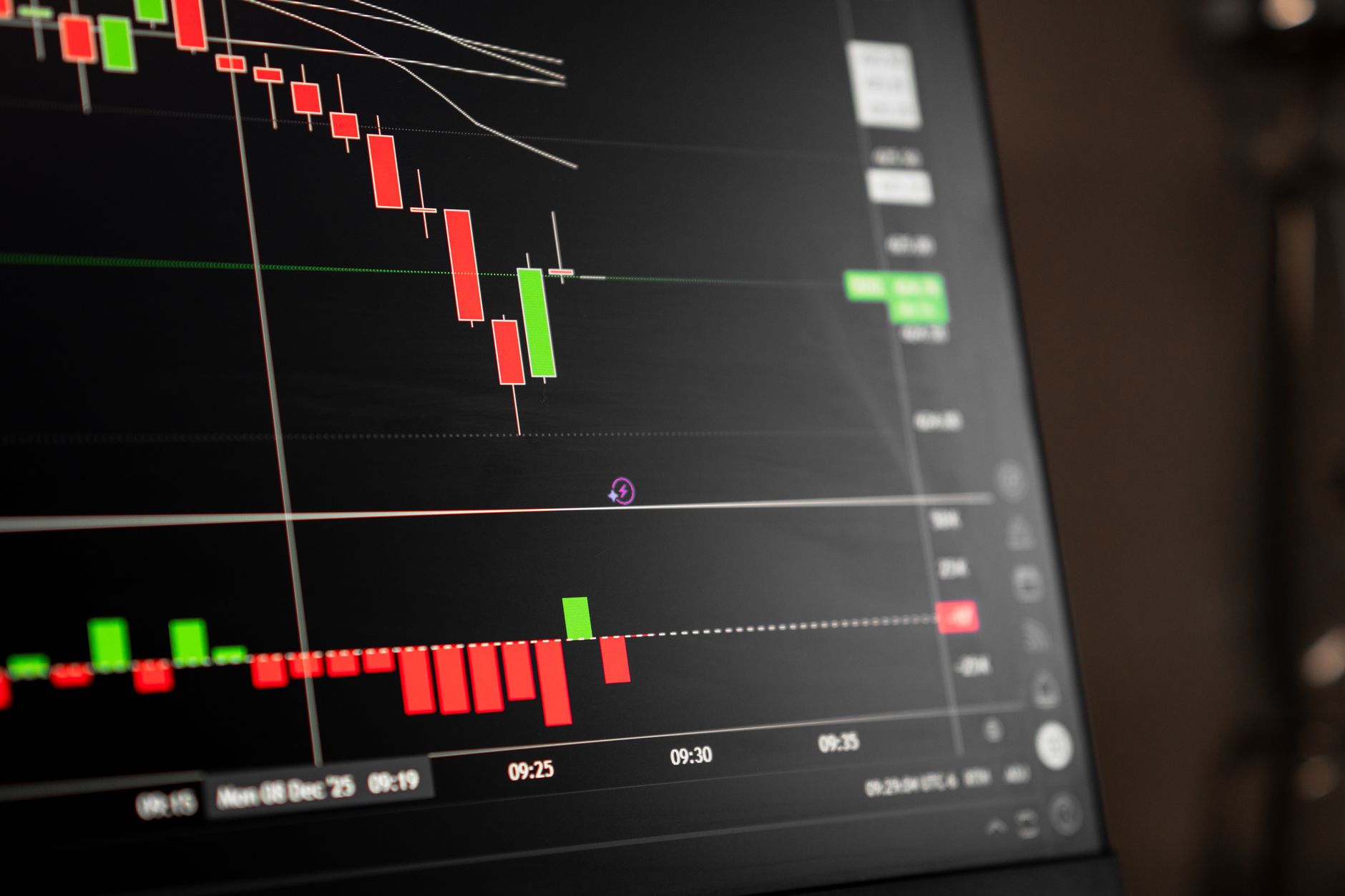
That pattern could easily repeat if central banks manage a soft landing that suppresses volatility and revives the low-rate carry environment. The same geopolitical uncertainty and sticky inflation that currently favor CTA models could resolve – or at least calm – in ways that narrow trading ranges across commodities and currencies. Whether the current environment represents a structural reset or a cyclical window is the question allocators are sitting with right now, and there is no clean answer.