



A data center does not care about housing starts or copper prices. It cares about whether the lights stay on, and for a growing number of operators, that question is answered by a machine with a Caterpillar nameplate on it. That is a strange sentence to write about a company whose earnings calls once revolved around dealer inventories, mining capex and the pace of road construction.
The shift shows up in the part of the business investors used to treat as a supporting act. Power generation, housed inside the Energy & Transportation segment, has become the line item people ask about first. The questions have changed from “how soft is construction?” to “how much of the next two years of capacity is already spoken for?”

Why Data Centers Buy Engines and Turbines
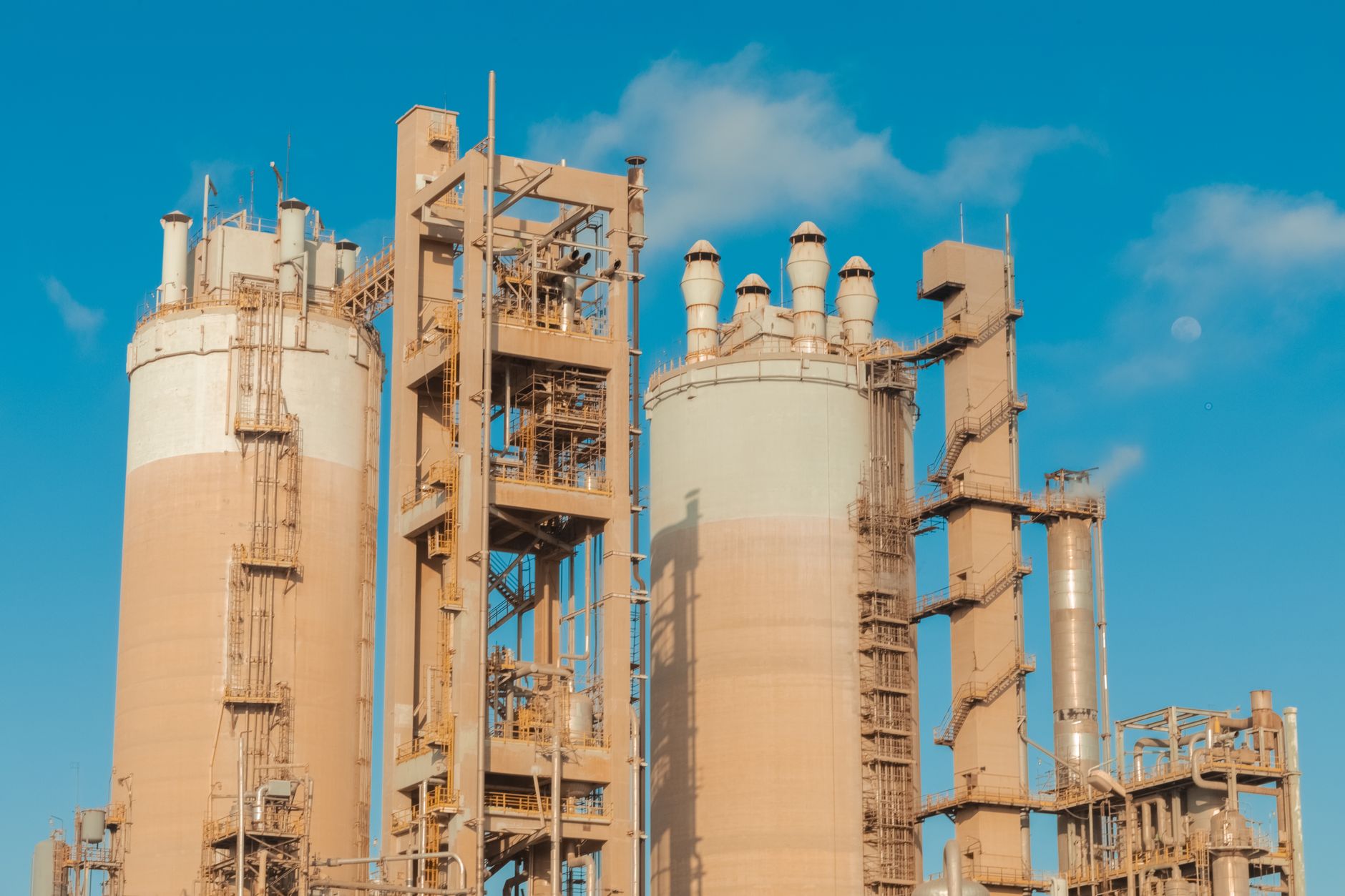
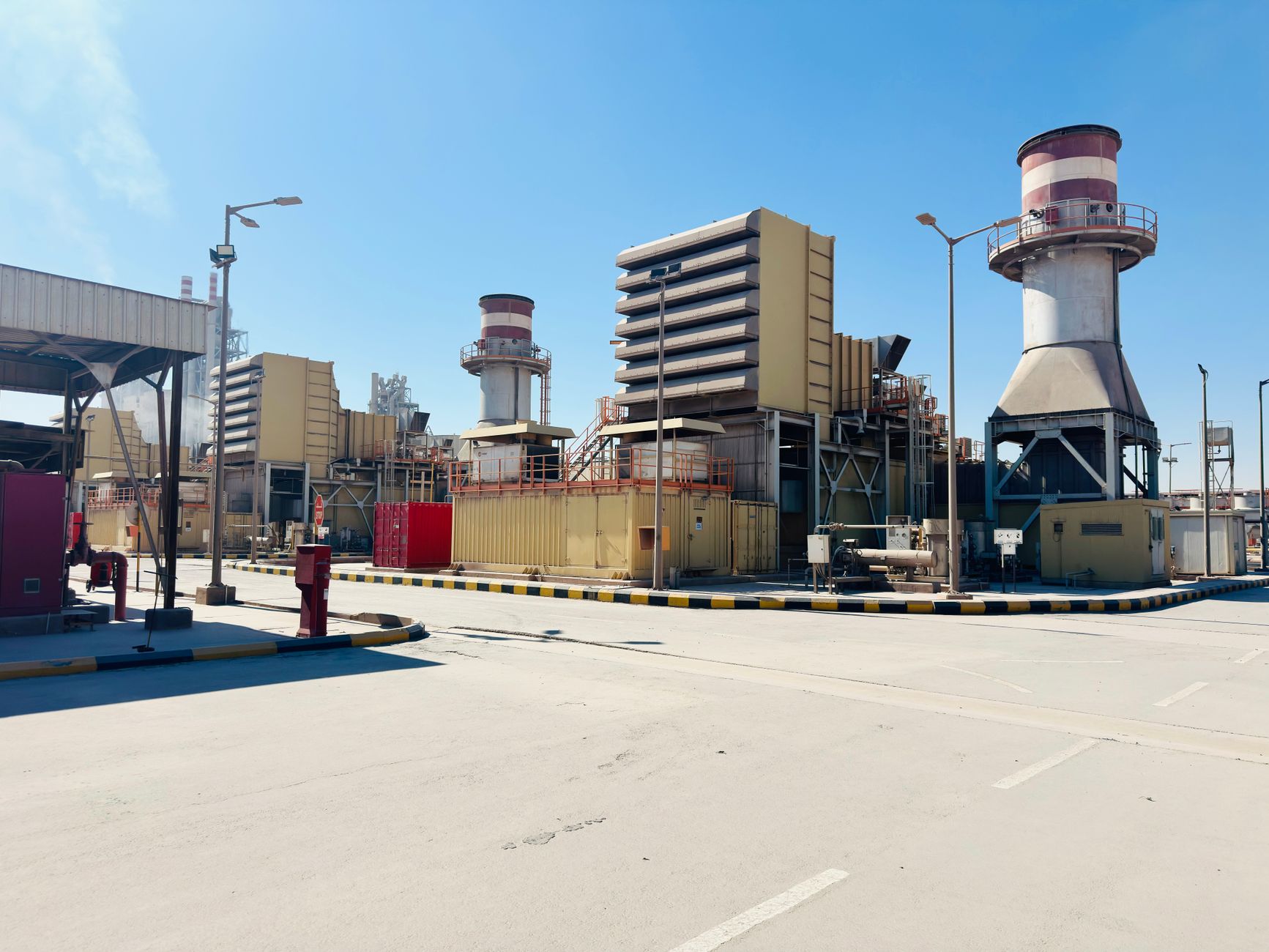
The logic starts with the grid. Connecting a large new facility to the utility network can take years, and an AI-focused campus can draw as much electricity as a small city. Developers who cannot wait for a substation upgrade increasingly look at generating their own power on site, either as a bridge until the grid arrives or as a permanent primary source. Caterpillar sells the hardware for both: reciprocating gas engines, diesel generator sets, and, through its Solar Turbines subsidiary, gas turbines.
Backup power is the older and steadier use case. Every serious data center carries generators that sit idle most of the year, because an outage costs the operator far more than the equipment does. Prime power is the newer one, and it changes the economics. A generator that runs continuously needs fuel contracts, maintenance, overhauls and replacement parts, which turns a one-time equipment sale into a relationship that lasts for years.
What the Order Book Actually Tells Investors
Orders matter more than shipments here because of lead times. Large engines and turbines are not off-the-shelf items. Manufacturing slots, castings, forgings and skilled assembly capacity are limited, so a customer who wants equipment in two years often has to commit now. A hyperscaler or developer placing an early order is effectively reserving a place in line, and the backlog that results gives Caterpillar a view of demand that its construction businesses rarely offer.
That visibility is what separates this cycle from a typical equipment upswing. Mining and construction orders tend to follow commodity prices and interest rates, and they can reverse within a few quarters. Power generation orders tied to data center buildouts follow project timelines that are set years ahead, with financing and land already secured. A canceled project is possible, but a delayed grid connection actually pushes more customers toward on-site generation.
The margin story is where the mix matters. Large power systems are higher-value products than most of what Caterpillar sells in volume, and the aftermarket tail is where the lasting profit sits. Parts, service agreements and rebuilds on a fleet of continuously running machines can generate revenue long after the original sale is booked. Investors who value the company on equipment cycles alone are missing that annuity-like layer.
A backlog is still a promise, not revenue. It converts only as fast as Caterpillar can build, and it assumes customers keep wanting what they ordered. The gap between an order date and a recognized sale is exactly where earnings surprises, in either direction, tend to come from.
A Cyclical Stock With a Non-Cyclical Chapter
For years the market priced Caterpillar as a barometer of global industrial activity. Its shares rose when economies were expanding and fell when they were not, and the valuation multiple reflected that. Data center demand complicates the picture, because it is driven by technology spending rather than by the construction cycle, and it can run strong while other segments weaken.
That is why the stock can now be argued from two directions. Bulls see a company with a long-duration growth engine attached to AI infrastructure. Skeptics see a legacy cyclical that is being valued on a story borrowed from the technology sector. Both views have merit, and the earnings reports are where the argument gets settled, one quarter of segment results at a time.
Where the Growth Story Can Break
The first risk is concentration. A handful of very large technology companies account for most of the demand for AI-scale data centers, and their spending plans are set by their own return calculations. If any of them slows a buildout, the effect would ripple through power equipment orders quickly. Caterpillar does not control that decision and cannot hedge it.
The second risk is competition and capacity. Cummins, Rolls-Royce, Wartsila, GE Vernova and Siemens Energy all sell into the same wave of demand, and several are expanding production. Shortages protect pricing today, but every added factory narrows the scarcity premium. Caterpillar has its own expansion choices to make, and building too much capacity for a boom is a classic way for an industrial company to damage its returns.
Then there is the question hiding inside the product itself. Much of the on-site generation now being ordered is meant to bridge the years before grid connections arrive. If utilities speed up interconnection, or if more projects shift to long-term grid supply, some of those machines could end up as expensive backup units that rarely run. How many of today’s prime-power orders become tomorrow’s idle insurance?