





When the Stock Market Crashes, Hurricanes Don’t Care
Catastrophe bonds – securities that transfer insurance risk from insurers to capital markets investors – have existed since the 1990s, mostly tucked inside reinsurance portfolios and institutional allocations that retail advisors never touched. The basic structure is simple: an insurer issues a bond, collects premiums from investors, and if a qualifying disaster occurs (a hurricane above a certain wind speed, an earthquake exceeding a set magnitude), the principal gets wiped out or reduced to cover losses. If no triggering event happens, investors collect yield and get their money back. For decades, this corner of fixed income sat comfortably out of reach for most advisory practices.
That’s changing. A growing number of registered investment advisors are quietly adding catastrophe bond funds to client portfolios – not because disasters are becoming rarer, but because the return profile has almost nothing to do with interest rates, corporate earnings, or Fed policy. In a market where traditional diversifiers keep failing at the worst moments, that kind of genuine non-correlation is worth paying attention to.

What Makes Cat Bonds Different From Everything Else
The non-correlation argument for catastrophe bonds is not theoretical. A Category 4 hurricane making landfall in Florida triggers bond losses regardless of what the S&P 500 is doing. The 2008 financial crisis didn’t cause a single catastrophe bond default tied to natural disaster triggers. The COVID-19 selloff in March 2020 – which crushed equities, REITs, and credit spreads simultaneously – left most cat bond funds largely untouched. This is the kind of insulation that portfolio construction usually can’t achieve through conventional asset allocation.
The yield has also become more attractive. Catastrophe bond spreads widened significantly after a series of costly hurricane seasons and the 2017-2018 loss years that strained reinsurance capacity. Investors who stayed in the space through those difficult years are now collecting coupons that often run well above comparable investment-grade corporate bonds, compensated for event risk rather than credit or duration risk. The two types of risk are genuinely different, and that difference is the entire thesis.
The mechanics of how cat bonds are structured also make them relatively immune to the kind of contagion that links most financial assets together. Because the collateral is typically held in Treasury money market funds or similar instruments, cat bond investors are exposed to the insurance risk of the underlying peril – and almost nothing else. There’s no corporate counterparty exposure in the traditional sense, no sensitivity to earnings revisions, and no meaningful correlation to the credit cycle. When everything else zigs together because of macro fear, cat bonds tend to sit still.
Who Is Actually Buying These Things
The adoption curve among advisors is still early. Most of the volume remains with institutional allocators – pension funds, endowments, and dedicated insurance-linked securities managers who have been in the space for years. But the launch of interval funds and ’40 Act structures designed specifically to bring cat bond exposure to wealth management clients has lowered the entry barrier considerably. An advisor no longer needs a Cayman-domiciled hedge fund relationship or a minimum ticket in the tens of millions to get meaningful exposure.
The advisor interest tends to cluster around one specific use case: alternatives sleeves that are supposed to diversify equity risk but routinely fail to do so. Managed futures, long/short equity, and market-neutral strategies have all had periods of high correlation with equities during drawdowns – exactly when diversification matters most. Catastrophe bonds don’t have that problem, because their risk is anchored to physical events rather than investor sentiment.

The Risks That Don’t Disappear
None of this means cat bonds are safe in the conventional sense. The tail risk is severe and visible: a bad hurricane season, a major earthquake event, or a pandemic-related coverage dispute can produce sudden, meaningful losses with very little warning. The 2017 Atlantic hurricane season – Harvey, Irma, and Maria hitting in rapid succession – caused real losses across parts of the cat bond market. Investors who understood the risk profile absorbed those losses and moved on. Investors who only heard “uncorrelated to equities” and missed the part about “exposed to catastrophic natural events” were surprised in a very unpleasant way.
Liquidity is another honest constraint. Most cat bond funds available to advisors are interval funds, meaning redemptions are limited to quarterly windows and often capped as a percentage of net assets. This is a feature of the underlying market structure, not a bug introduced by fund managers – the cat bond secondary market is real but not deep enough to support daily redemption funds at scale. Advisors who try to use these funds for clients with genuine near-term liquidity needs are mismatching the investment to the investor.
Model risk deserves attention too. Catastrophe bond pricing relies heavily on probabilistic disaster models built by a handful of specialized firms. These models use historical data, atmospheric science, and engineering estimates to assign probabilities to various event scenarios. When those models are wrong – and they have been wrong, particularly around secondary perils like wildfire and flood that were historically undermodeled – losses can exceed what investors expected for a given event size. Climate change is actively complicating these models, because the historical loss data that anchored them was generated under different atmospheric conditions than the ones that exist today.
The advisors moving into this space with clear eyes are treating it as a genuine alternative allocation – sized appropriately, explained carefully to clients, and matched only to accounts where the liquidity structure makes sense. The ones who get into trouble will be those who frame it primarily as a yield story without equal time on the event risk. Cat bonds pay you for taking on something real: the possibility that a major disaster happens, the bond triggers, and that portion of a client’s portfolio goes to zero. That trade-off is the whole point, and it only works if both sides of it are understood.
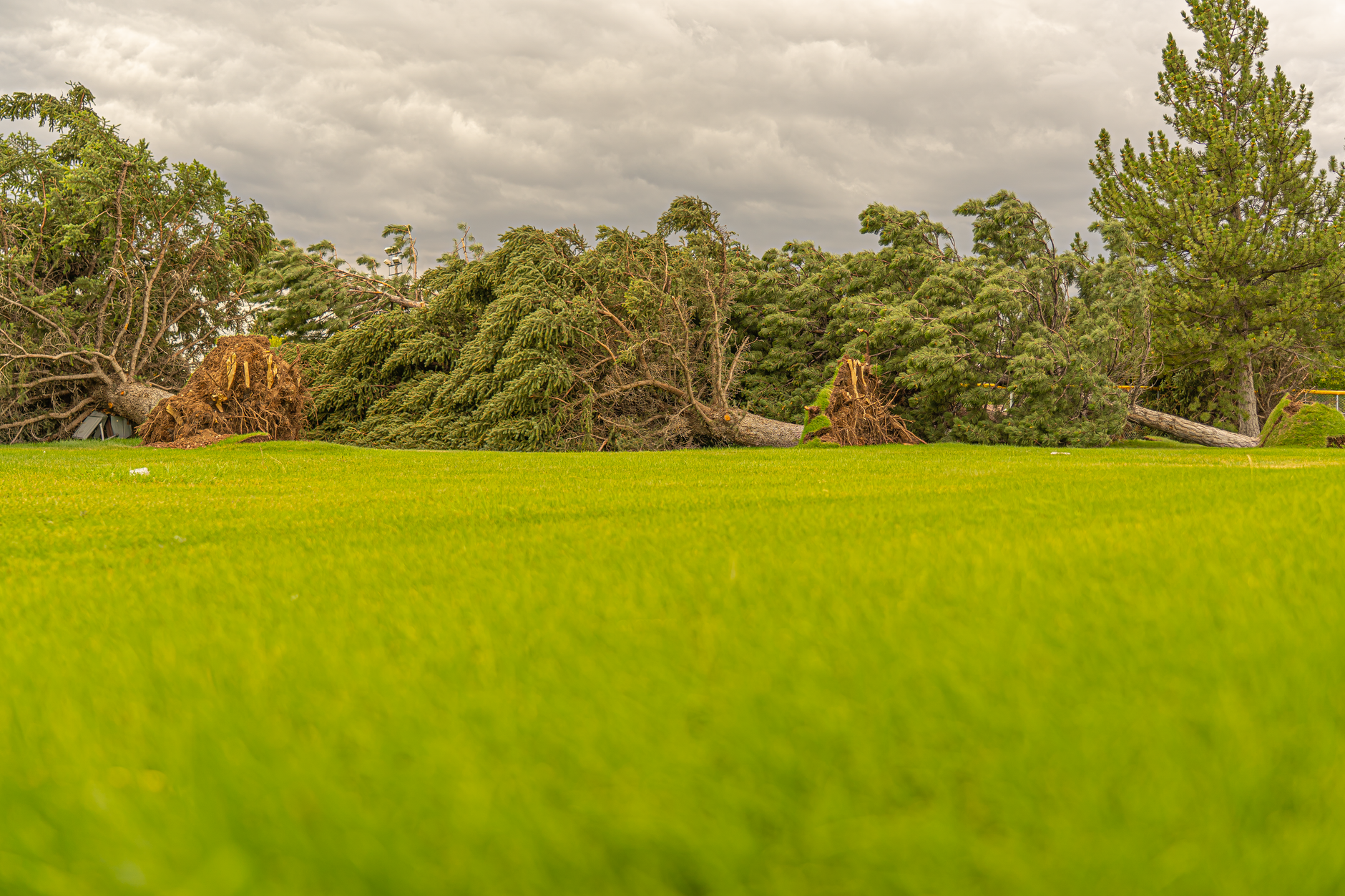
What advisors are really betting on when they add catastrophe bond exposure is that physical disasters will remain statistically independent from financial crises – and that the insurance industry will continue pricing that risk at levels that justify the exposure. So far, that bet has held. The question hanging over the space right now is whether accelerating climate loss trends will eventually force such a radical repricing of disaster probability that the yield on offer no longer adequately compensates for the risk being transferred. That’s not a reason to avoid the asset class. It’s a reason to watch the spreads very carefully.