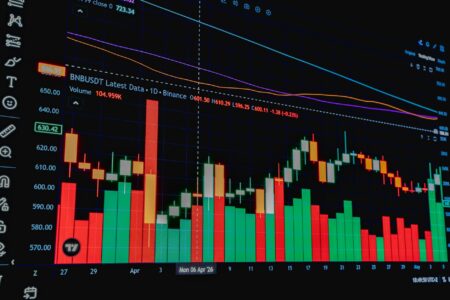





Carbon credit markets have exploded from niche environmental trading floors to mainstream investment platforms, with retail investors now accounting for nearly 30% of voluntary carbon credit purchases. What was once the exclusive domain of corporations meeting compliance requirements has transformed into an accessible asset class attracting everyone from day traders to retirement fund managers.
The shift represents a fundamental change in how environmental assets are perceived and traded. Major brokerage platforms including TD Ameritrade and E*TRADE now offer carbon credit investment products, while specialized platforms like Nori, Pachama, and Carbon Credit Capital have made direct carbon credit purchases as simple as buying stocks. This democratization of carbon markets has created new opportunities for retail investors to participate in the growing climate economy while potentially generating returns.

Technology Platforms Simplify Carbon Credit Access
Digital platforms have eliminated the complexity that previously kept individual investors away from carbon markets. Companies like Toucan Protocol and KlimaDAO have created blockchain-based systems that tokenize carbon credits, allowing fractional ownership and real-time trading. These platforms provide transparency through verified project tracking, automated verification processes, and clear pricing mechanisms.
Traditional carbon credit transactions required minimum purchases of 1,000 tons or more, effectively pricing out smaller investors. New platforms allow purchases as small as one ton of carbon credits, with prices typically ranging from $15 to $50 per ton depending on project type and verification standards. The technology also enables instant settlement and eliminates lengthy paperwork processes that previously took weeks to complete.
Verra Registry, the world’s largest voluntary carbon standard program, has processed over 1 billion carbon credits since 2006. The organization recently launched enhanced digital infrastructure to support increased retail participation, including real-time project monitoring and automated credit retirement processes.
Investment Returns Draw Mainstream Attention
Carbon credit prices have shown significant volatility and growth potential, attracting investors seeking portfolio diversification. Voluntary carbon market prices increased by an average of 140% between 2020 and 2022, though prices have since moderated as supply increased. High-quality credits from verified forestry and renewable energy projects have maintained premium pricing.
Institutional investors including BlackRock and Vanguard have launched carbon-focused exchange-traded funds, providing another avenue for retail participation. The KraneShares Global Carbon ETF (KRBN) has attracted over $1.2 billion in assets, demonstrating substantial investor appetite for carbon-related investments.

Investment advisors report growing client interest in environmental, social, and governance (ESG) investments, with carbon credits viewed as a direct way to participate in climate action while maintaining return potential. The correlation between carbon credit performance and traditional asset classes remains relatively low, offering portfolio diversification benefits.
Some investors approach carbon credits as commodity plays, betting on future price appreciation as carbon regulations tighten globally. Others view purchases as impact investments, prioritizing environmental outcomes alongside financial returns. Both approaches have found expression through new retail-friendly platforms.
Regulatory Framework Creates Market Structure
Government policies worldwide are driving carbon market expansion and creating more standardized investment frameworks. The European Union’s Emissions Trading System remains the largest compliance carbon market, while voluntary markets continue expanding to meet corporate net-zero commitments.
California’s cap-and-trade program allows retail investor participation through quarterly auctions, with allowances trading on secondary markets. The Regional Greenhouse Gas Initiative covering northeastern U.S. states operates similar mechanisms. These regulated markets provide price discovery and market liquidity that benefits voluntary market participants.
Federal tax credits for carbon capture and renewable energy projects, similar to those boosting solar panel manufacturing stocks, create underlying value for carbon credit projects. The Infrastructure Investment and Jobs Act allocated billions for climate-related projects that generate tradeable carbon credits.
International standards development through organizations like the International Carbon Reduction and Offset Alliance (ICROA) provides quality assurance that helps retail investors evaluate credit quality. Third-party verification services have expanded to meet increased demand for credible carbon credit assessment.
Corporate Demand Drives Market Growth
Major corporations including Microsoft, Amazon, and Shell have made multi-billion dollar commitments to purchase carbon credits as part of net-zero strategies. Microsoft alone plans to purchase credits to offset all historical emissions since the company’s founding in 1975. These corporate commitments create sustained demand that supports credit pricing and market stability.
The voluntary carbon market reached $2 billion in transaction value during 2022, representing 300% growth from 2020 levels. Market research firms project continued expansion as more companies adopt science-based climate targets requiring carbon credit purchases for unavoidable emissions.

Future Outlook Points to Continued Expansion
Carbon credit markets are positioned for significant growth as climate regulations expand and corporate commitments increase. The International Energy Agency projects voluntary carbon markets could reach $100 billion annually by 2030, representing 50-fold growth from current levels.
Technological developments including satellite monitoring, artificial intelligence verification, and blockchain settlement systems continue improving market transparency and reducing transaction costs. These innovations make carbon credit investing more accessible and reliable for retail participants.
Integration with traditional financial markets accelerates as major exchanges including NYSE and CME Group develop carbon trading infrastructure. This institutional support provides the market depth and liquidity necessary for sustained retail investor participation.
The combination of regulatory support, technological innovation, and corporate demand creates a foundation for carbon credits to become a permanent fixture in diversified investment portfolios, offering retail investors direct participation in the transition to a low-carbon economy.
Frequently Asked Questions
How can individual investors buy carbon credits?
Retail investors can purchase carbon credits through specialized platforms like Nori and Pachama, or invest in carbon-focused ETFs through traditional brokerages.
What returns do carbon credits typically generate?
Carbon credit prices averaged 140% growth between 2020-2022, though returns vary significantly based on project type and market conditions.