





The beauty industry’s corporate giants are facing an uncomfortable reality: consumers are walking away from their traditional products in favor of cleaner alternatives, leaving quarterly earnings reports peppered with unexpected losses and shrinking market shares.
L’Oreal, Unilever, and Procter & Gamble all reported declining revenues in their beauty divisions during the latest quarterly earnings cycle, with several brands posting double-digit percentage drops in sales. The culprit isn’t economic downturn or reduced consumer spending – beauty purchases remain steady. Instead, shoppers are increasingly choosing independent clean beauty brands that prioritize ingredient transparency and sustainable packaging over the marketing muscle of multinational corporations.
This shift represents more than a passing trend. Industry analysts point to fundamental changes in consumer behavior, particularly among younger demographics who research ingredients, read labels, and actively avoid products containing parabens, sulfates, and synthetic fragrances. These consumers are willing to pay premium prices for brands that align with their values, even if it means abandoning products they’ve used for years.
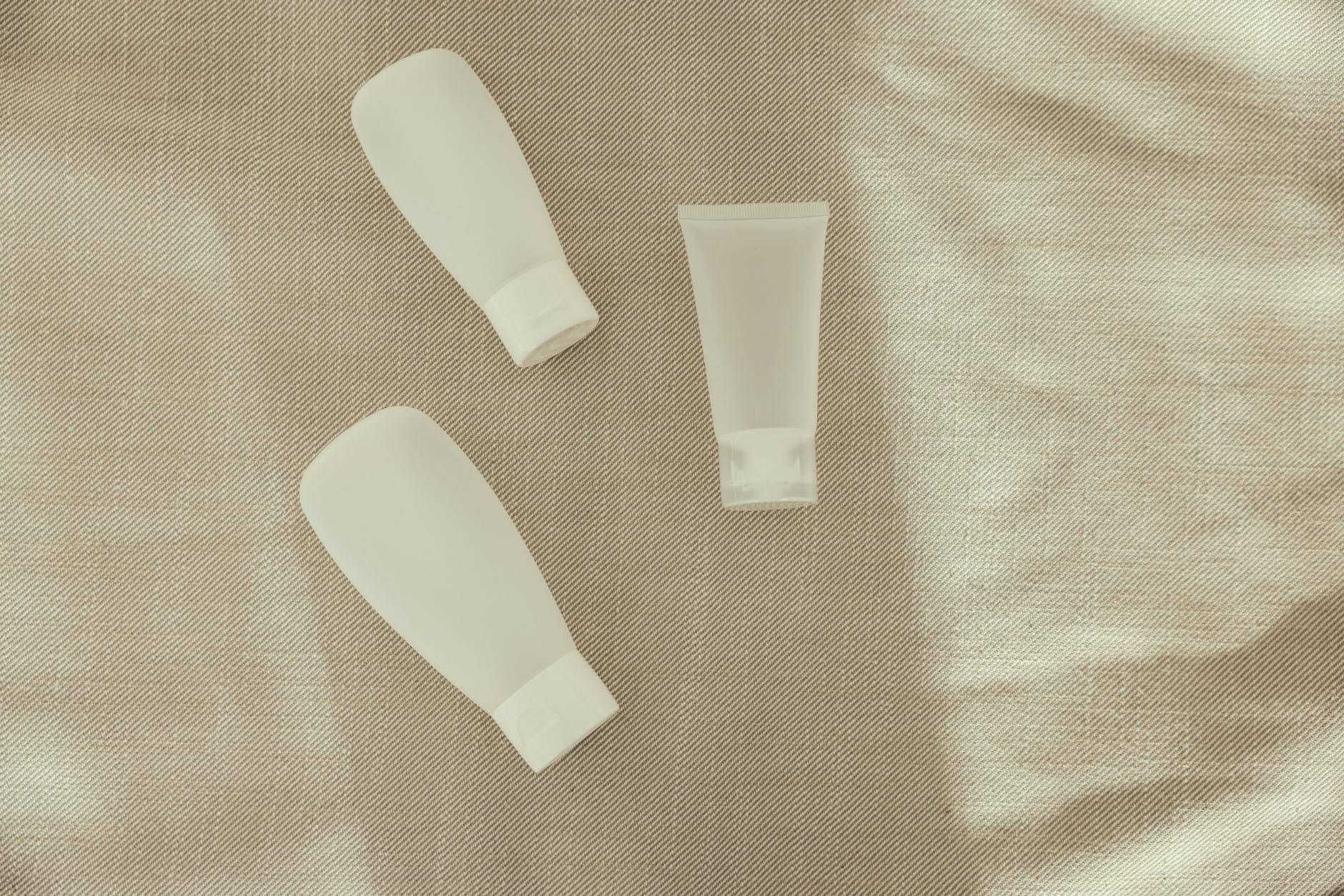
Clean Beauty Revolution Reshapes Market Dynamics
The numbers tell a compelling story. Independent clean beauty brands have captured nearly 15% of the overall beauty market, up from just 3% five years ago. Companies like Glossier, Drunk Elephant, and The Ordinary have built devoted followings without traditional advertising budgets, relying instead on social media authenticity and word-of-mouth recommendations.
Meanwhile, established players are scrambling to respond. Estee Lauder Companies reported a 7% decline in North American sales, with executives citing “significant headwinds from clean beauty competition” during their earnings call. The company’s traditional anti-aging lines, once considered premium products, are losing ground to brands that promise similar results with cleaner ingredient profiles.
Unilever’s personal care division saw similar struggles, with iconic brands like Dove and TRESemme posting disappointing results. The company acknowledged that younger consumers are “actively seeking alternatives to conventional beauty products” and announced plans to reformulate several product lines to meet changing expectations.
The clean beauty movement isn’t just about ingredients – it’s about transparency. Consumers want to understand what they’re putting on their bodies, and traditional beauty companies have historically been reluctant to provide detailed ingredient information or explain their sourcing practices. This opacity has created opportunities for smaller brands to differentiate themselves through radical transparency.
Supply Chain Disruptions Amplify Traditional Brand Struggles
Traditional beauty giants are also grappling with supply chain complexities that don’t affect their smaller competitors. Large-scale manufacturing operations require consistent ingredient sourcing across multiple facilities, making it difficult to pivot quickly when consumer preferences shift. Clean beauty brands, often working with smaller production runs and more flexible suppliers, can adapt formulations and respond to trends much faster.
The packaging revolution adds another layer of complexity. Consumers increasingly demand refillable containers, minimal packaging, and sustainable materials. Established brands built their operations around single-use containers and elaborate packaging designed to stand out on retail shelves. Retrofitting these systems requires significant capital investment and operational restructuring.
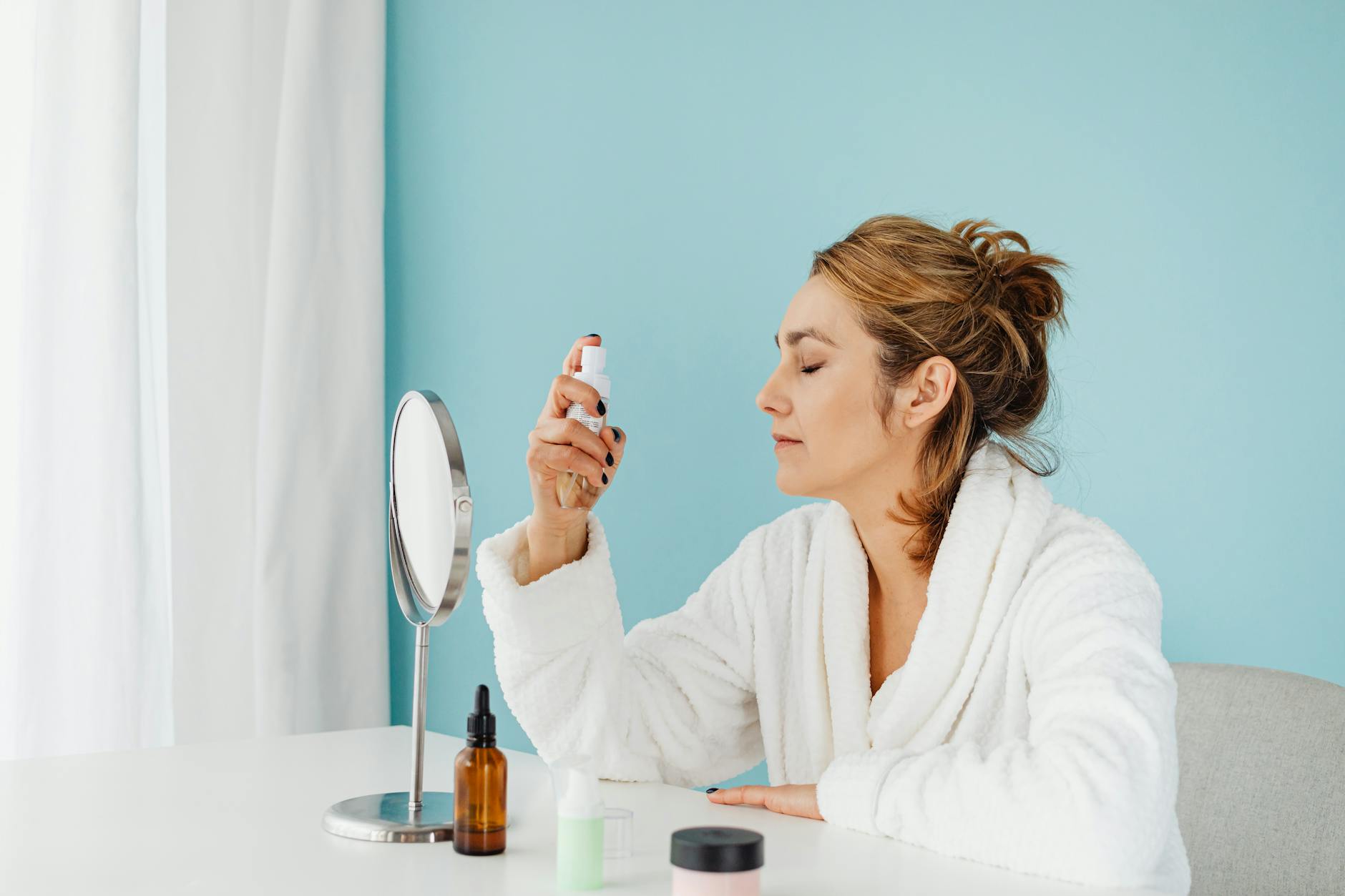
Retail relationships further complicate the transition. Traditional beauty brands have long-standing agreements with department stores and chain retailers that emphasize shelf space and promotional displays. Clean beauty brands often thrive in different retail environments – specialty stores, online platforms, and direct-to-consumer channels where they can tell their brand stories more effectively.
The earnings reports reveal another telling pattern: traditional brands are losing market share not just to clean beauty upstarts, but also to each other as they attempt to launch clean sub-brands. This internal competition is cannibalizing existing product lines without necessarily capturing the consumers who have already migrated to independent alternatives.
Investment Patterns Signal Long-Term Industry Transformation
Private equity and venture capital firms are paying attention to these market shifts, with clean beauty investments reaching record levels. Beauty accelerators and incubators are specifically targeting entrepreneurs who can demonstrate both clean ingredient expertise and direct-consumer marketing capabilities.
Established corporations are responding through acquisition strategies, but many of these purchases have failed to maintain the authentic brand identity that made the original companies successful. When Unilever acquired Dollar Shave Club and other direct-consumer brands, integration challenges diluted much of what made those companies appealing to their original customer base.
The pharmaceutical industry faces similar disruption patterns, as evidenced by patent cliff revenue drops affecting major pharmaceutical companies, where established players struggle to maintain market position as alternatives emerge.
Some traditional beauty companies are finding success through complete brand overhauls rather than acquisitions. P&G’s Olay line underwent significant reformulation and rebranding, removing controversial ingredients and emphasizing scientific research. This approach helped stabilize sales in a category where many competitors continued declining.
The international market adds complexity to these trends. Clean beauty preferences vary significantly across different regions, with European consumers generally more ingredient-conscious than those in emerging markets. Companies must balance global product standardization with regional preference variations.
Future Market Positioning and Strategic Adaptations

The beauty industry’s transformation appears permanent rather than cyclical. Consumer education about ingredients and manufacturing practices continues expanding through social media platforms, beauty influencers, and increased regulatory scrutiny. Traditional brands that fail to adapt risk becoming legacy companies serving shrinking market segments.
However, established beauty giants retain significant advantages: research and development capabilities, global distribution networks, and financial resources that enable large-scale innovation. Companies that successfully leverage these strengths while embracing transparency and cleaner formulations may emerge stronger from this transitional period.
The retail landscape is also evolving to accommodate these changes. Sephora and Ulta have created dedicated clean beauty sections, while Target and CVS are expanding their natural product offerings. This retail evolution provides opportunities for both established and emerging brands to reach consumers who prioritize ingredient consciousness.
Looking ahead, the beauty industry appears headed toward a bifurcated market where traditional luxury brands serve one consumer segment while clean, sustainable brands capture another. Companies that can bridge these segments through authentic reformulation and transparent communication will likely capture the largest market opportunities in the coming years.
The quarterly earnings disappointing traditional beauty giants may signal the beginning of a fundamental industry restructuring rather than temporary market volatility.
Frequently Asked Questions
Why are traditional beauty brands losing market share?
Consumers are choosing clean beauty alternatives with transparent ingredients and sustainable packaging over conventional products.
How much market share have clean beauty brands gained?
Independent clean beauty brands now control nearly 15% of the overall beauty market, up from just 3% five years ago.